Moon Phases for Hunting & Fishing in Louisiana (Myth or Not)
For generations, Louisiana hunters and anglers have planned trips around moon phases, believing that the position of the moon influences animal movement, feeding activity, and overall success in the field and on the water. From deer hunters watching major and minor feeding periods to anglers timing fishing trips around full and new moons, lunar tables have become a staple of outdoor culture across the South. But how much of this is backed by real-world results, and how much is simply tradition passed down through generations?
In this guide, we’ll take a closer look at the relationship between moon phases, hunting, and fishing in Louisiana. We’ll explore how full moons, new moons, moonrise, moonset, and major feeding periods may affect deer movement, bass fishing, speckled trout activity, and other popular outdoor pursuits. We’ll also separate fact from fiction, examine what science says about lunar influence, and help you determine whether moon phases should play a major role in planning your next Louisiana hunting or fishing trip.
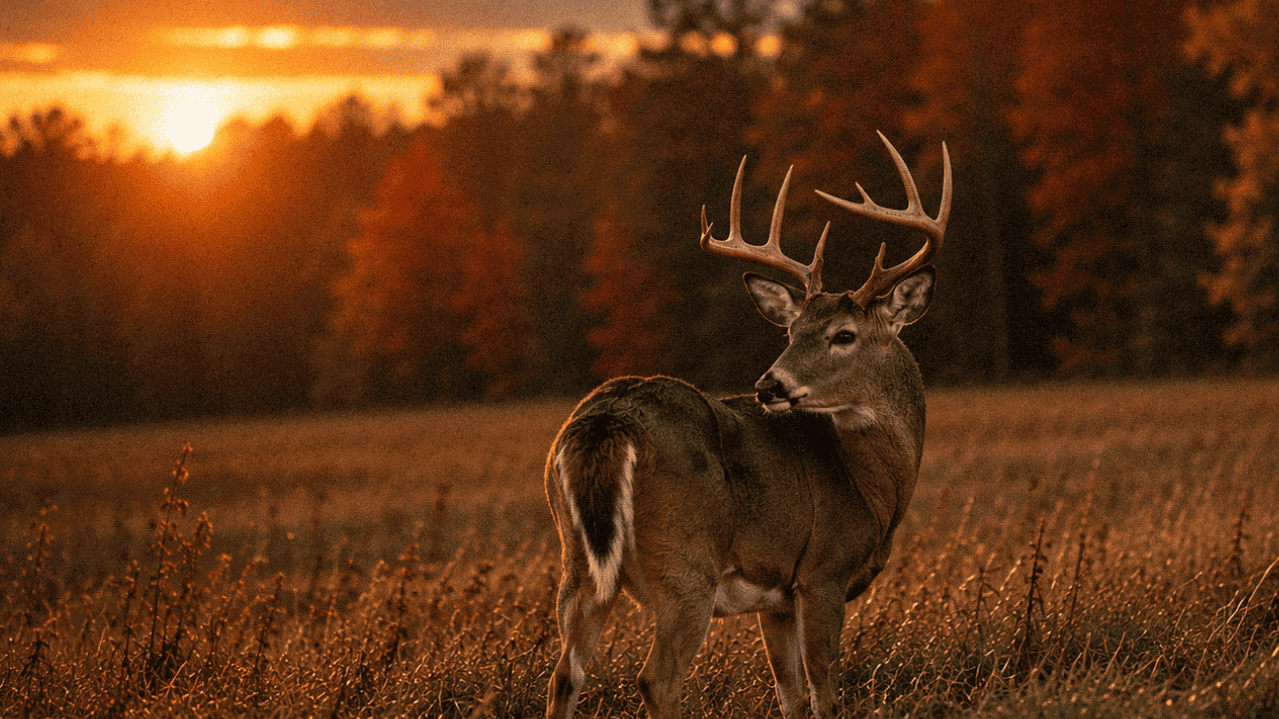
How Moon Phases Affect Hunting and Fishing in Louisiana
If you’ve hunted Louisiana deer or chased fish across the marsh long enough, you’ve probably heard every moon-phase theory imaginable.
Some hunters swear by the new moon. Others refuse to hunt during a full moon. Meanwhile, fishermen often plan trips around moon charts and tide tables.
So, does the moon really matter?
The answer is yes—but not in the way many people think. Moon phases won’t make deer magically appear or fish jump into the boat. However, they can influence feeding activity, movement patterns, and tides. When combined with weather, seasonal patterns, and good scouting, the moon becomes another tool that can improve your odds.
For Louisiana sportsmen, understanding moon phases can help you spend more time in the right place at the right time.
Why the Moon Matters in Louisiana
The moon affects much more than nighttime visibility.
It influences animal movement, feeding activity, and coastal tides. Because Louisiana contains marshes, swamps, rivers, bays, and coastal estuaries, moon phases often play a larger role here than in many other states.
The moon can affect:
- Deer feeding patterns
- Deer movement timing
- Fish feeding activity
- Coastal tidal movement
- Nighttime visibility
While the moon should never replace scouting, it can help explain why wildlife behaves differently from one day to the next.
New Moon (Dark Nights, Strong Daytime Movement)
During a new moon, nights are at their darkest.
Because wildlife has less visibility after dark, deer often spend more time feeding and moving during daylight hours. Many hunters consider this one of the best moon phases for daytime deer activity.
Common patterns include:
- Increased morning movement
- Better evening movement
- More daytime feeding
- Reduced nighttime activity
For fishermen, daytime feeding periods can also become more consistent.
First Quarter Moon (Balanced Activity)
As the moon grows brighter, movement tends to spread throughout the day.
Wildlife remains active during daylight hours, but movement often becomes less concentrated than during a new moon.
During a first quarter moon, expect:
- Consistent morning activity
- Moderate evening movement
- Steady fishing opportunities
- Balanced feeding periods
This phase may not produce dramatic movement spikes, but it often provides dependable action.
Full Moon (Bright Nights, Midday Opportunity)
The full moon creates some of the most misunderstood hunting conditions of the year.
Because deer can feed comfortably throughout the night, many hunters notice slower activity at sunrise and sunset. However, many deer become active again during the middle of the day.
Common full moon patterns include:
- Increased nighttime feeding
- Slower early mornings
- Strong midday movement
- Later evening activity
Many experienced Louisiana hunters stay in the stand longer during full moons and often see success between 10 a.m. and 2 p.m.
Last Quarter Moon (Morning Movement Returns)
As the moon begins to fade, movement often shifts back toward daylight hours.
Many hunters notice improved morning activity during this phase. Fish feeding periods also become more predictable throughout the day.
This phase often produces:
- Better morning deer movement
- Consistent fishing activity
- Improved daytime feeding
- Balanced movement patterns
For many Louisiana hunters, this phase offers a nice combination of daytime activity and comfortable hunting conditions.
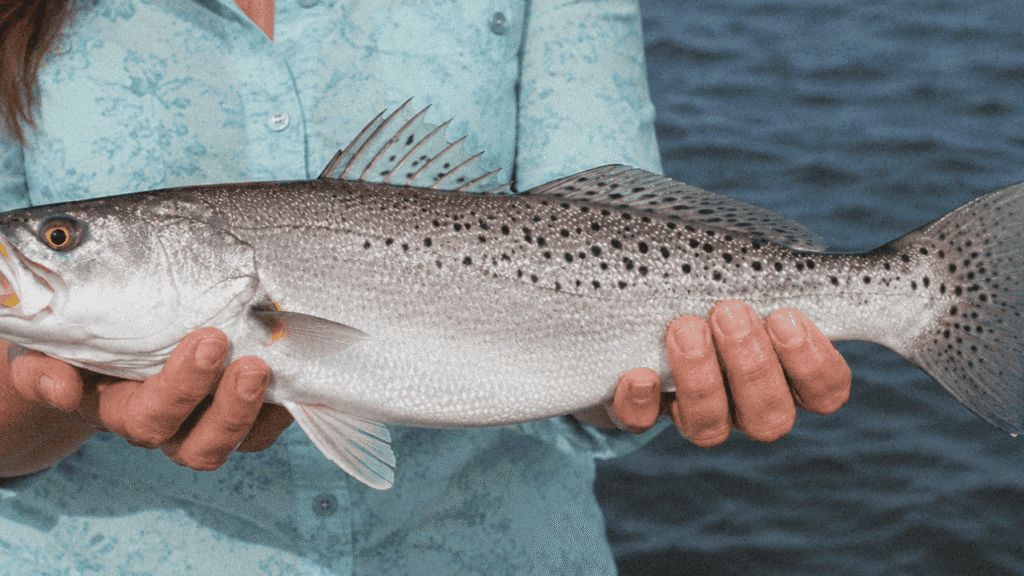
How Moon Phases Affect Fishing in Louisiana Waters
For Louisiana anglers, moon phases affect more than fish behavior.
They also influence tides.
In coastal areas like Venice, Grand Isle, Cocodrie, and Delacroix, tidal movement often determines where fish feed and how aggressively they bite.
New Moon and Full Moon (Spring Tides)
New and full moons create stronger tidal swings known as spring tides.
These stronger tides move more water and often create increased feeding opportunities.
Benefits include:
- Stronger current flow
- Increased bait movement
- Better feeding windows
- More aggressive fish
For many coastal anglers, these moon phases produce some of the best fishing of the month.
Quarter Moons (Neap Tides)
Quarter moons create weaker tidal movement.
As a result, fish may spread out and feed less aggressively.
Common conditions include:
- Reduced current flow
- Less water movement
- Smaller feeding windows
- More challenging fishing
During these periods, finding moving water becomes especially important.
Best Times of Day to Hunt
While moon phases matter, some hunting windows remain productive regardless of lunar conditions.
Focus on:
- The first two hours after sunrise
- The last two hours before sunset
- Midday during full moons
These periods consistently produce opportunities throughout the season.
Best Times of Day to Fish
Fishing success often increases during natural feeding periods.
The most productive times usually include:
- Early morning
- Late afternoon
- Tide changes
- Sunrise and sunset
Along the Louisiana coast, tide movement often matters more than the clock.
Should You Plan Every Trip Around the Moon?
No.
Successful hunters and anglers use moon phases as one piece of the puzzle.
Instead of relying solely on moon charts, combine them with:
- Weather patterns
- Cold fronts
- Wind direction
- Seasonal movements
- Water conditions
- Scouting information
The moon provides valuable clues, but it works best when paired with other factors.
Louisiana Pro Tips for Using Moon Phases
A few simple adjustments can help you take advantage of lunar activity.
Consider these tips:
- Hunt longer during full moons
- Focus on daytime movement during new moons
- Fish strong tides during new and full moons
- Watch for cold fronts that align with favorable moon phases
- Use cloud cover to your advantage during bright moon periods
Small details often make a big difference.
Frequently Asked Questions
Do moon phases really affect deer movement?
Yes. Moon phases can influence feeding and movement timing, although weather and hunting pressure often play equally important roles.
Is the full moon bad for deer hunting?
Not necessarily. Full moons often shift movement toward midday rather than sunrise and sunset.
Do moon phases affect fishing in Louisiana?
Absolutely. Moon phases influence tides, bait movement, and feeding activity, especially along the coast.
What is the best moon phase for deer hunting?
Many hunters prefer the new moon because it often produces stronger daytime movement.
Should I stay home if the moon phase isn’t ideal?
No. Good scouting, weather conditions, and location usually matter more than the moon alone.
Related Articles
Spring Turkey Hunting in Louisiana — Learn proven tactics for calling gobblers and finding success during spring season.
Venice Louisiana Fishing Guide — Discover where to target tuna, trout, redfish, and other Louisiana favorites.
How to Catch Big Speckled Trout in the Louisiana Surf — Find out how tides, bait, and weather influence trophy trout.
Final Thoughts
Moon phases won’t guarantee success, but they can help explain animal behavior and feeding patterns. When you understand how the moon affects deer movement, fish activity, and Louisiana’s coastal tides, you gain another advantage in the field.
Pay attention to moon phases, but don’t let them control your schedule. Instead, combine lunar information with weather, scouting, and seasonal patterns. Over time, you’ll start noticing trends that help you make better decisions and enjoy more successful days outdoors.