A Louisiana Guide to Duck Hunting on Public Land
Louisiana is widely known as one of the premier duck hunting destinations in North America, offering vast expanses of marshes, coastal wetlands, flooded timber, and wildlife management areas that attract millions of migratory waterfowl each year. For hunters looking to experience world-class waterfowl hunting without the cost of a private lease, Louisiana’s public lands provide incredible opportunities to chase teal, gadwall, pintails, mallards, and other duck species throughout the season. In this guide to duck hunting public land in Louisiana, we’ll cover the best public hunting areas, licensing requirements, scouting tips, seasonal strategies, and essential gear to help you make the most of your next waterfowl adventure in the Sportsman’s Paradise.
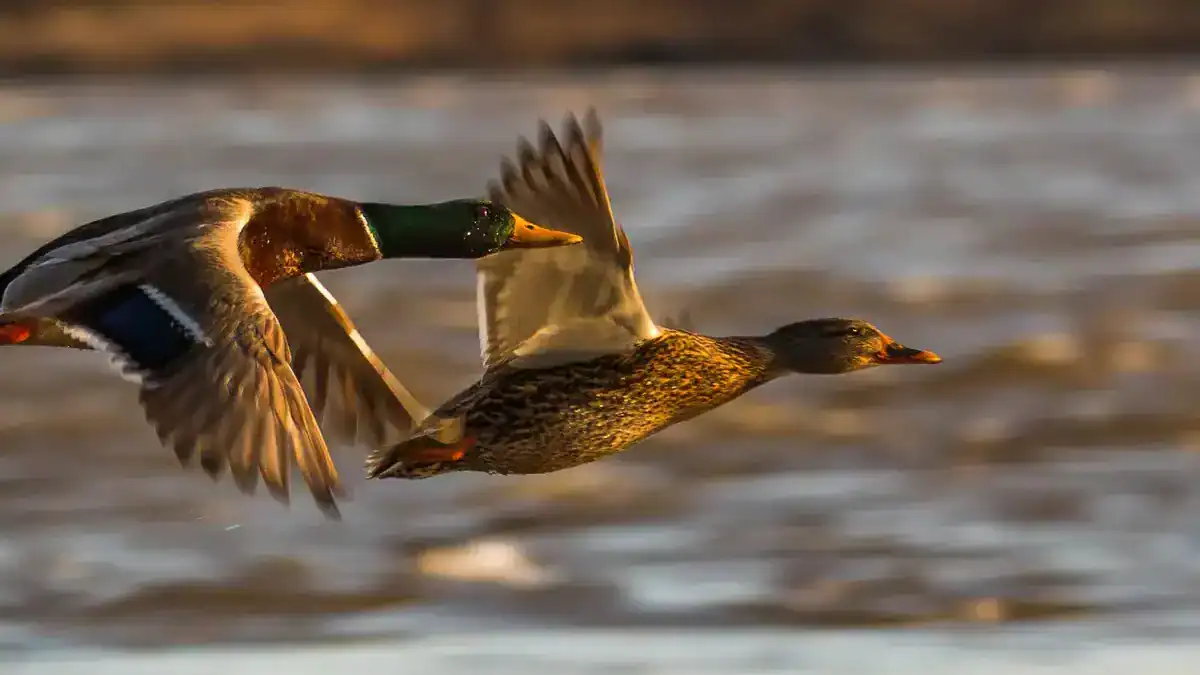
Why Louisiana Public Land Duck Hunting Is Legendary
Louisiana remains one of the most important winter destinations for migrating waterfowl in North America. Every year, ducks funnel into the state’s marshes, swamps, flooded timber, and agricultural fields in search of food, water, and favorable weather conditions.
As a result, hunters from across the South travel to Louisiana to experience some of the country’s most productive public land duck hunting opportunities.
Public hunting areas provide access to:
- Coastal marshes
- Flooded rice fields
- Bottomland hardwood forests
- Cypress swamps
- Managed wetlands
However, success today requires more than simply showing up. Hunters must understand migration trends, changing weather patterns, and habitat conditions to consistently find birds.
Understanding Today’s Changing Duck Migrations
Many Louisiana hunters have noticed significant changes in migration timing over the past decade.
Fortunately, understanding these shifts can help you adapt and stay successful.
Later and Slower Migrations
Milder winters across the Midwest and northern United States often delay major migrations.
Instead of arriving early, many ducks remain farther north until strong cold fronts force movement.
To adjust:
- Hunt later into the season
- Focus on major weather systems
- Monitor cold fronts rather than calendar dates
- Watch migration reports regularly
Ducks Holding Farther North
When northern habitats provide abundant food and open water, ducks have fewer reasons to continue south.
Consequently, Louisiana may see smaller early-season pushes followed by larger late-season arrivals.
To improve success:
- Stay flexible with hunting plans
- Monitor weather conditions across migration flyways
- Focus on periods following prolonged cold weather
Weather and Water Drive Everything
Water availability often influences duck movement more than any other factor.
Flooded habitat creates feeding opportunities, while drought conditions can quickly reduce bird numbers.
Therefore, successful hunters constantly monitor:
- Rainfall totals
- Water levels
- Flooded agricultural fields
- Managed wetland conditions
How Human Intervention Has Changed Duck Migration
Another factor that may be influencing duck migration is the increasing ability of people to provide food and open water farther north than ever before. Across the Midwest and other northern states, millions of acres of corn, soybeans, rice, and other crops provide abundant food well into winter. In addition, many private duck clubs, managed wetlands, and refuges intentionally plant food plots, flood fields, and actively manage habitat specifically to attract and hold waterfowl.
Technology has also made it easier to keep water available during cold weather. Water-control structures, pumps, aeration systems, and other management practices can help reduce freezing in some managed wetlands, giving ducks places to feed and rest even during periods of colder weather. While prolonged Arctic outbreaks still push birds south, these managed habitats may allow many ducks to delay migration or spend more of the winter farther north than they did decades ago. Most wildlife experts believe changing migration patterns are likely the result of several factors—including weather, habitat, food availability, and human land management—rather than a single cause.
Understanding Louisiana Duck Season
Louisiana duck season is typically divided into multiple splits throughout the fall and winter, allowing hunting to coincide with the peak migration of waterfowl moving down the Mississippi Flyway. Exact season dates, daily bag limits, and species restrictions are set each year by the Louisiana Department of Wildlife and Fisheries based on federal frameworks and waterfowl population surveys. Successful hunters pay close attention to cold fronts, water levels, and migration reports, as these factors often have a greater impact on hunting than the calendar itself. Before heading into the field, always review the current regulations to ensure you’re hunting during the correct season and following all licensing and bag limit requirements.
Early Season (October–Early November)
Early season often targets:
- Blue-winged teal
- Green-winged teal
- Resident wood ducks
Success depends heavily on:
- Water levels
- Recent weather
- Available food sources
Mid-Season (Late November–December)
For many hunters, this period produces the most consistent action.
Strong cold fronts often push fresh birds into Louisiana’s marshes and timber.
Common species include:
- Gadwall
- Pintails
- Wigeon
- Mallards
- Teal
Late Season (January)
Although overall numbers may decrease, ducks often become concentrated in reliable habitat.
Hunters who scout thoroughly can find excellent late-season opportunities.
Top Public Land Duck Hunting Areas in Louisiana
Atchafalaya Basin
The Atchafalaya Basin offers one of the most unique public hunting experiences in Louisiana.
Hunters can target ducks in:
- Flooded timber
- Backwater sloughs
- Cypress brakes
- Shallow lakes
Best for:
- Wood ducks
- Mallards
- Mixed puddle ducks
Sabine National Wildlife Refuge
Located in southwest Louisiana, Sabine provides extensive coastal marsh habitat.
Best for:
- Gadwall
- Teal
- Pintails
- Wigeon
Hunting style:
- Marsh blinds
- Walk-in access
- Small boat hunting
Catahoula Lake
When water levels cooperate, Catahoula Lake attracts large concentrations of migrating waterfowl.
Best for:
- Open-water hunting
- Large mixed-species flocks
- Peak migration periods
Because conditions vary annually, scouting remains essential.
White Lake Wetlands Conservation Area
This managed wetland area often provides consistent opportunities throughout the season.
Best for:
- Managed habitat hunting
- Marsh-edge setups
- Mixed duck species
Venice, Louisiana
At the southern end of the Mississippi River, Venice provides access to some of Louisiana’s most productive coastal marsh habitat.
Strong north winds frequently push fresh birds into the region.
Best for:
- Gadwall
- Teal
- Wigeon
- Mixed coastal duck flights
Hunting style:
- Marsh ponds
- Tidal flats
- Natural cuts and drains
Proven Tips for Public Land Duck Hunting Success
Success on Louisiana’s public duck hunting areas often comes down to preparation more than luck. Scout as often as possible before the season and between hunts to locate where birds are feeding and resting instead of relying on last year’s hotspots. Arrive early, but don’t overlook overlooked areas that require a longer boat ride or walk, as these often receive less hunting pressure. Keep your decoy spread simple and natural, avoid excessive calling when birds aren’t responding, and pay close attention to wind direction when setting up. Most importantly, stay mobile—if ducks aren’t working your area after a reasonable amount of time, don’t be afraid to move. Hunters who consistently scout, adapt to changing conditions, and hunt where the ducks want to be usually find the most success on public land.
Scout More Than You Hunt
Public land changes constantly.
Before hunting, locate:
- Fresh water
- Feeding areas
- Bird concentrations
- Recently flooded habitat
The hunter who scouts usually outperforms the hunter who simply shows up.
Concealment Is More Important Than Calling
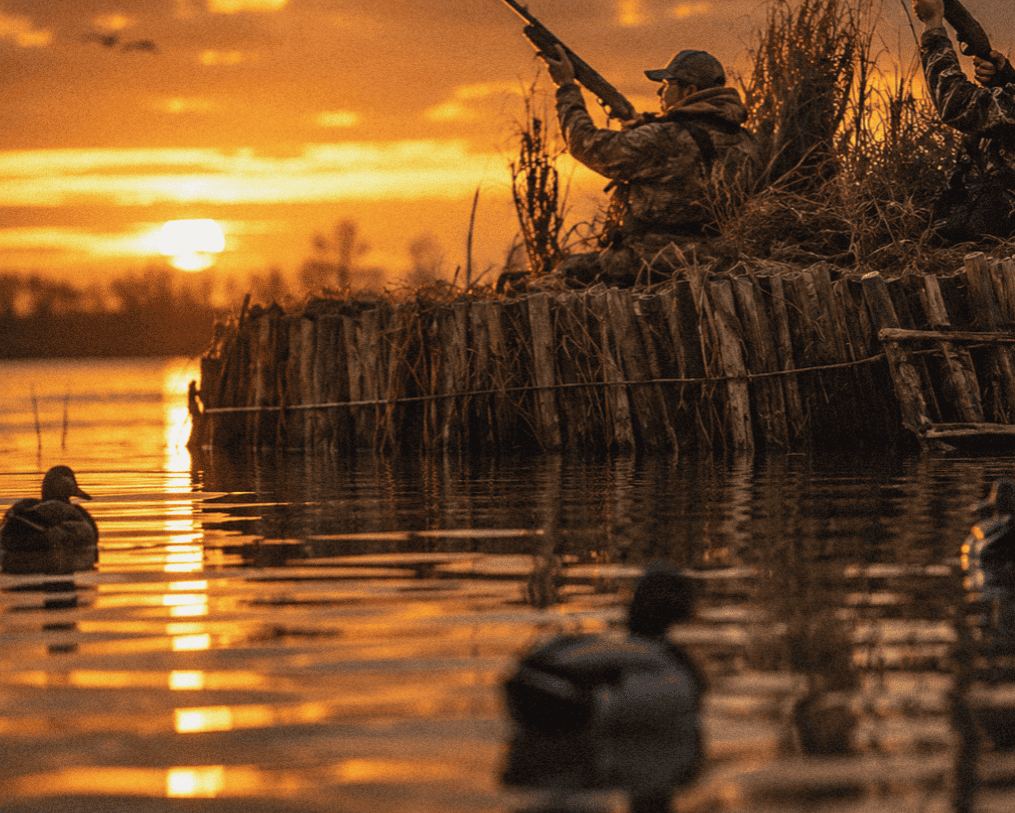
No matter how realistic your decoys or how good your calling sounds, poor concealment will ruin more duck hunts than almost anything else. Ducks have exceptional eyesight and can quickly spot unnatural movement, exposed faces, shiny equipment, or blinds that don’t blend into the surrounding vegetation. Use natural brush from the area to break up the outline of your blind, wear camouflage that matches the habitat, and keep your face and hands covered whenever possible. Stay still when birds are working your spread, only moving to shoulder your shotgun at the last possible moment. Many experienced hunters believe that a well-hidden blind with an average decoy spread will consistently outperform a perfect decoy setup with poor concealment.
Louisiana ducks see pressure throughout the season.
Consequently, concealment often matters more than calling.
For best results:
- Use natural vegetation
- Minimize movement
- Keep faces covered
- Blend into surrounding habitat
Match Your Calling to Conditions
Calling too much often hurts more than it helps.
General rule:
- Early season: minimal calling
- Mid-season: moderate calling
- Late season: subtle and realistic calling
If birds respond negatively, reduce your calling immediately.
Keep Your Decoy Spread Simple
One of the biggest mistakes duck hunters make is assuming that more decoys always lead to better hunting. In reality, a small, natural-looking spread is often more effective, especially on pressured public land where ducks have seen oversized decoy spreads all season. A dozen to two dozen well-spaced decoys with an open landing hole is enough for most situations.
Common spread patterns like the J-hook, U-shape, V-shape, and fishhook all work well because they create a natural opening that encourages ducks to land within shooting range. The best pattern often depends on the wind, so position your landing hole on the downwind side where approaching birds naturally want to finish. Avoid perfectly symmetrical layouts, and don’t be afraid to adjust your spread if ducks are consistently landing outside your setup.
Adding subtle motion can also make a big difference, especially on calm days. A jerk rig, motion feeder decoys, or a spinning-wing decoy can attract ducks from a distance by creating ripples and flashes that mimic live birds. However, heavily pressured ducks can become wary of excessive motion, so don’t hesitate to turn off or remove spinning-wing decoys if birds are flaring. Above all, watch how real ducks are using the area and adjust your decoys to imitate what they’re are already doing. Often, realism and proper placement matter far more than the number of decoys you put out.
On pressured public land, smaller spreads frequently outperform large setups.
Instead:
- Match local species
- Leave landing holes
- Create natural spacing
- Avoid overcrowding decoys
How Weather Affects Duck Hunting
Weather is one of the biggest factors in duck hunting success, often determining whether birds are actively flying or sitting tight. The best hunting usually follows a strong cold front, especially one that brings freezing temperatures, snow, or ice farther north, forcing fresh birds to migrate into Louisiana. Windy, overcast days often produce better movement than warm, calm mornings, as ducks tend to fly more and respond better to decoy spreads. Pay attention to weather forecasts across the Mississippi Flyway—not just in Louisiana—as conditions hundreds of miles north can influence when new ducks arrive. Water levels are equally important, with rising water often opening new feeding areas while extremely high or low water can change where birds concentrate.
Weather remains one of the biggest factors in waterfowl hunting success.
Pay close attention to:
- Strong cold fronts
- North winds
- Falling temperatures
- Rising water levels
Often, the days immediately before and after a major front produce the best hunting of the season.
Because of this, flexible hunters often enjoy more success than those who hunt strictly by schedule.
Frequently Asked Questions
When is the best time to duck hunt public land in Louisiana?
Late November through January typically provides the most consistent migration activity.
Do I need a boat for public land duck hunting?
Many areas require boats, kayaks, or pirogues, although some public lands offer walk-in access.
What ducks are most common in Louisiana?
Gadwall, teal, pintails, wigeon, wood ducks, and mallards are among the most common species.
How important is scouting on public land?
Scouting is critical. Water conditions and bird concentrations can change quickly throughout the season.
What weather conditions produce the best duck hunting?
Strong cold fronts, north winds, and rising water levels often trigger increased bird movement.
Related Articles
- Venice Louisiana Fishing Guide – Explore one of Louisiana’s most productive outdoor destinations for both anglers and hunters.
- Exploring Louisiana Swamps and Bayous – Discover the wetlands that support many of the state’s waterfowl populations.
- Louisiana: The True Sportsman’s Paradise – Learn why Louisiana remains one of America’s premier outdoor destinations.
- Spring Bass Fishing on Toledo Bend – Tips, tactics, and locations for one of the South’s top bass fisheries.
- Creating Better Whitetail Habitat on Your Land – Improve deer habitat through strategic land management practices.
Final Thoughts
Public land duck hunting in Louisiana continues to reward hunters who adapt to changing conditions. While migration patterns have shifted in recent years, strong scouting, flexible planning, and an understanding of weather and water conditions still produce success.
Whether you’re hunting coastal marshes near Venice, paddling through the Atchafalaya Basin, or setting up along a flooded wetland, Louisiana offers some of the most rewarding public land waterfowl opportunities in the country. The key is simple: scout hard, hunt smart, and let the birds tell you where they want to be.