Exploring the New Orleans French Quarter: Full Guide
The New Orleans French Quarter is the heart and soul of Louisiana’s most famous city. Known for its historic architecture, vibrant nightlife, world-class restaurants, live music, and rich cultural heritage, the French Quarter attracts millions of visitors each year from around the world. From the lively energy of Bourbon Street to the historic charm of Jackson Square and the hidden courtyards tucked behind centuries-old buildings, every corner of the Quarter tells a story that reflects the unique blend of French, Spanish, African, and Creole influences that shaped New Orleans.
In this complete guide, you’ll discover everything you need to know about exploring the New Orleans French Quarter, including the best attractions, restaurants, bars, historic sites, live music venues, and hidden gems. Whether you’re visiting for a weekend getaway, Mardi Gras, Jazz Fest, or your first trip to Louisiana, this guide will help you experience the French Quarter like a local while uncovering the history, food, culture, and unforgettable atmosphere that make it one of America’s most iconic destinations.
Exploring the French Quarter: The Ultimate Guide to New Orleans’ Most Historic Neighborhood
The French Quarter is the heart and soul of New Orleans. Founded in 1718, this historic neighborhood blends French, Spanish, African, and Caribbean influences into one unforgettable destination filled with world-famous restaurants, legendary bars, live jazz, historic architecture, and vibrant street life. Whether you’re visiting for a weekend or planning a longer Louisiana adventure, the French Quarter offers something around every corner.
Why Visit the French Quarter?
The French Quarter, also known as the Vieux Carré, is the oldest neighborhood in New Orleans and one of the most recognizable destinations in the United States. While millions visit each year for Bourbon Street, the neighborhood offers far more than nightlife.
Visitors come to experience:
- Historic architecture and hidden courtyards
- Legendary Cajun and Creole restaurants
- Live jazz and brass bands
- Local art galleries and boutiques
- Rich history and Louisiana culture
No matter how many times you visit, the French Quarter always offers something new to discover.
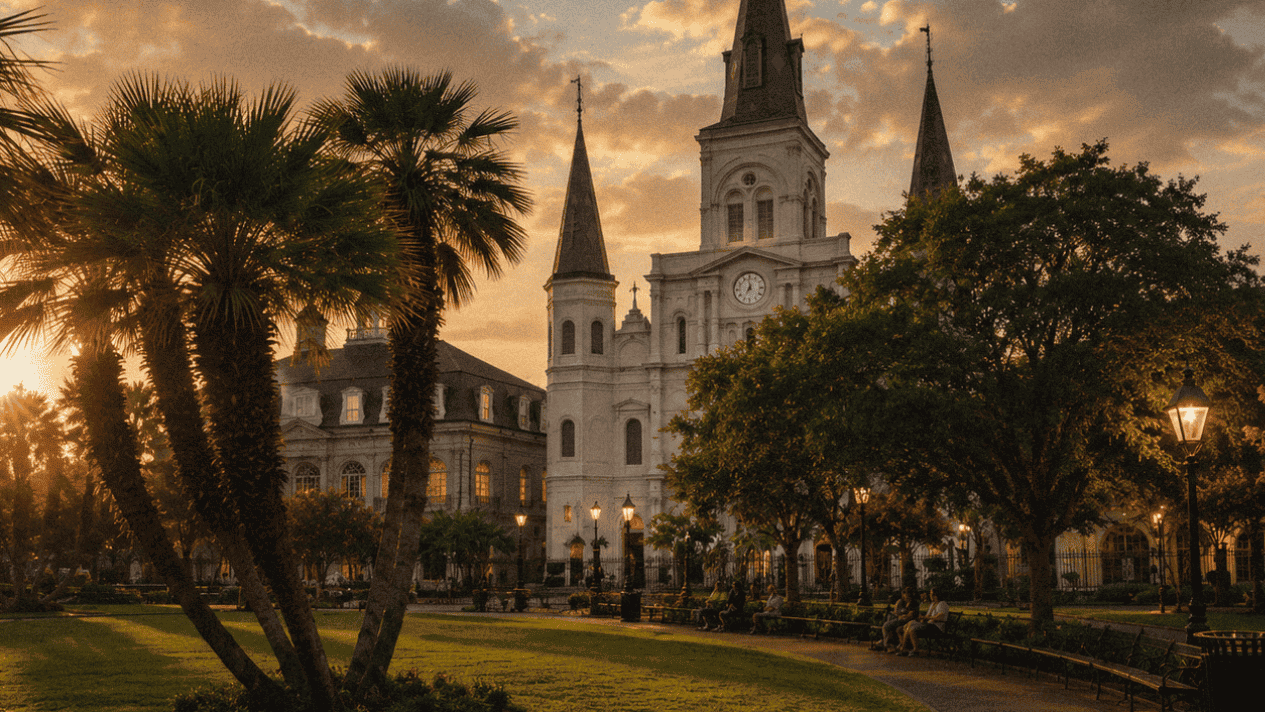
Explore Jackson Square and St. Louis Cathedral
Start your visit in Jackson Square, one of the most photographed locations in Louisiana.
Here you’ll find:
- Local artists displaying their work
- Street musicians performing throughout the day
- Entertainers and performers
- Horse-drawn carriage tours
- Beautiful views of St. Louis Cathedral
Standing behind the square, St. Louis Cathedral is the oldest continuously active Roman Catholic cathedral in the United States and remains one of New Orleans’ most iconic landmarks.
Take time to explore the square before moving deeper into the Quarter.
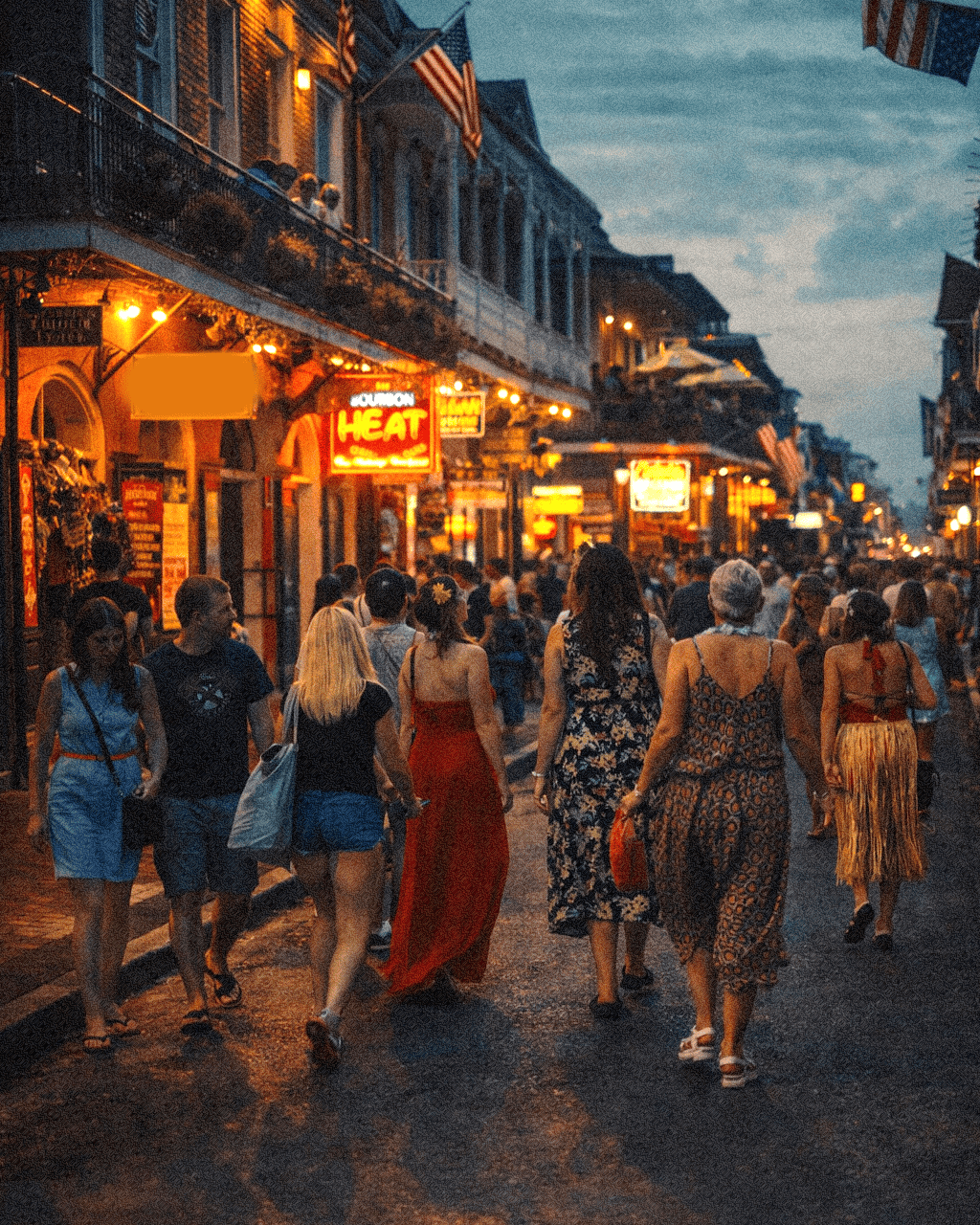
Experience Bourbon Street
No trip to New Orleans feels complete without walking down Bourbon Street.
During the day, the atmosphere is surprisingly relaxed, making it a great time to admire the historic balconies, architecture, and local businesses.
At night, Bourbon Street transforms into one of the world’s most famous entertainment districts with:
- Live music
- Bars and restaurants
- Neon lights
- Street performers
- Nonstop energy
Early evening offers the perfect balance between sightseeing and nightlife.
Best Bars on Bourbon Street
Bourbon Street is home to some of New Orleans’ most famous bars and nightlife. Stop by Lafitte’s Blacksmith Shop Bar, one of the oldest bars in America, and try the famous Purple Drink while soaking in centuries of history. Pat O’Brien’s is a must-visit for the original Hurricane and its legendary dueling piano bar, while Bourbon Heat offers multiple levels of live DJs, dancing, balcony views, and one of the liveliest party atmospheres on the street. If karaoke is more your style, The Cat’s Meow is a Bourbon Street staple, and Fritzel’s European Jazz Club provides a more intimate setting with authentic New Orleans jazz every night. Whether you’re looking for historic charm, live music, or an all-night party, Bourbon Street delivers a one-of-a-kind experience.
Great Restaurants Near Bourbon Street
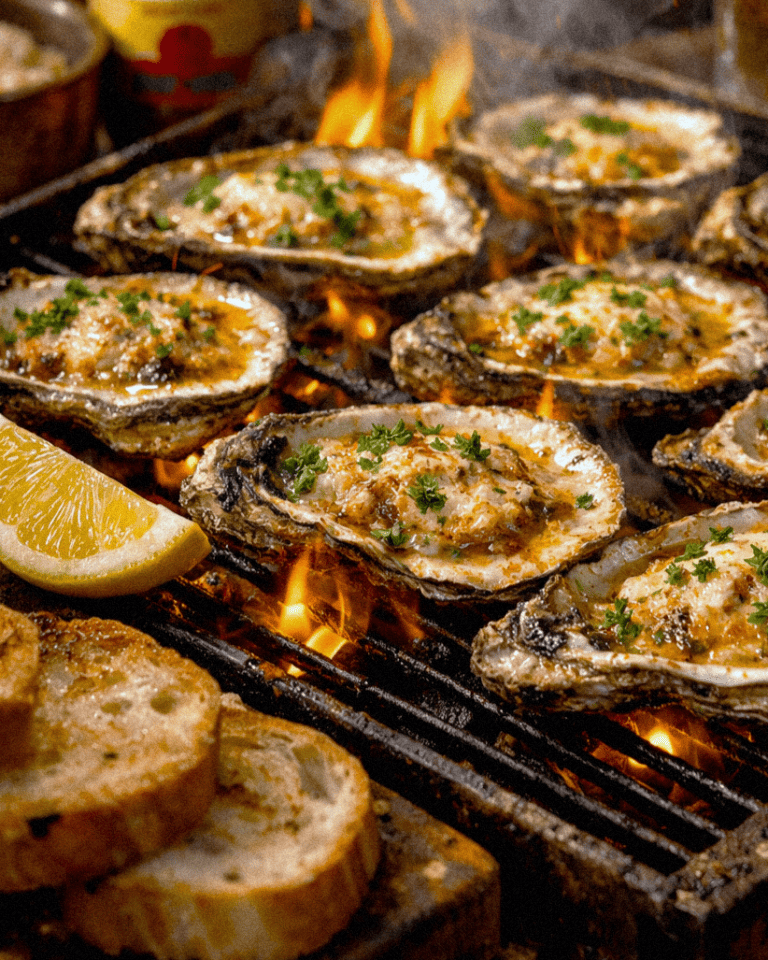
After exploring Bourbon Street, you’ll find some of New Orleans’ best restaurants just steps away. Galatoire’s has been serving classic French Creole cuisine for over a century and is one of the city’s most iconic dining destinations. Bourbon House is known for fresh Gulf oysters, seafood platters, and an excellent bourbon selection, while Olde NOLA Cookery offers Louisiana favorites with balconies overlooking the action on Bourbon Street. Just a short walk away, Brennan’s is famous for its elegant breakfasts and Bananas Foster, Acme Oyster House is a favorite for chargrilled oysters and po’boys, and GW Fins is consistently ranked among the city’s top seafood restaurants. From casual Cajun fare to fine dining, the French Quarter offers outstanding options for every appetite.
Stroll Along Royal Street
If you’re looking for a more authentic New Orleans experience, spend time exploring Royal Street. Browse the impressive collections at M.S. Rau, one of the country’s premier fine art and antique galleries, or explore the unique shops and local artwork that line nearly every block. Stop by R Café & Bar or The Court of Two Sisters for a meal in a beautiful courtyard setting, and don’t miss the chance to listen to the talented jazz musicians, violinists, and brass bands that frequently perform along the sidewalks. Be sure to look up as you walk—Royal Street is famous for its ornate iron balconies, colorful architecture, and hidden courtyards that capture the timeless charm of New Orleans. Whether you’re shopping, dining, or simply taking in the atmosphere, Royal Street offers one of the most enjoyable walks in the French Quarter.
Known for its elegance and charm, Royal Street features:
- Fine art galleries
- Antique shops
- Boutique stores
- Handmade Louisiana crafts
- Talented street musicians
Many locals consider Royal Street one of the most beautiful and enjoyable places in the French Quarter.
Discover Hidden Courtyards and Local Shops
Some of the Quarter’s greatest treasures aren’t listed on any map.
As you wander through the neighborhood, you’ll discover:
- Historic courtyards
- Specialty food stores
- Handmade jewelry
- Louisiana-themed gifts
- Local artist studios
Allow yourself time to simply explore—you’ll often find the best experiences where you least expect them.
The Best Restaurants in the French Quarter
The French Quarter is one of America’s premier food destinations.
Whether you’re craving classic Creole cuisine or modern fine dining, you’ll find outstanding restaurants throughout the neighborhood.
Must-visit restaurants include:
- Café du Monde
- Antoine’s Restaurant
- Galatoire’s
- Acme Oyster House
- Napoleon House
- Doris Metropolitan
- Brennan’s
Each restaurant showcases a different side of Louisiana’s remarkable culinary heritage.
Must-Try Foods
No visit to the French Quarter is complete without sampling some of Louisiana’s most famous dishes.
Don’t miss:
- Beignets
- Gumbo
- Jambalaya
- Shrimp po’boys
- Roast beef po’boys
- Chargrilled oysters
- Crawfish (when in season)
- Bananas Foster
Every meal tells part of Louisiana’s culinary story.
Legendary Bars Worth Visiting
The French Quarter is just as famous for its historic bars as it is for its restaurants.
Popular stops include:
- Lafitte’s Blacksmith Shop Bar
- Pat O’Brien’s
- The Old Absinthe House
- The Cat’s Meow
- Carousel Bar inside Hotel Monteleone
Each location offers its own unique atmosphere, from centuries-old history to lively piano bars and classic New Orleans cocktails.
Experience Live Music Everywhere
Music is woven into everyday life throughout the French Quarter.
As you explore, you’ll regularly encounter:
- Brass bands
- Jazz musicians
- Blues performers
- Solo saxophone players
- Trumpeters
- Second line parades
Jackson Square and Royal Street are particularly well known for outstanding street performances.
For an even larger concentration of live music venues, continue your evening just beyond the Quarter on Frenchmen Street.
Explore Voodoo History and Ghost Tours
The French Quarter’s fascinating history includes legends, folklore, and centuries of mystery. Voodoo has been part of New Orleans’ history since the 1700s, blending West African spiritual traditions with elements of Catholicism and Caribbean beliefs brought to Louisiana by enslaved people and immigrants from Haiti. While often misunderstood in popular culture, authentic New Orleans Voodoo focuses on spirituality, healing, ancestor reverence, and community rather than the myths portrayed in movies. Visitors interested in learning more can explore the New Orleans Historic Voodoo Museum in the French Quarter, browse the unique offerings at Voodoo Authentica, or visit Congo Square, where enslaved Africans once gathered to preserve their music, dances, and spiritual traditions. Another popular stop is the tomb traditionally associated with the legendary Voodoo Queen Marie Laveau at St. Louis Cemetery No. 1, which can be viewed on authorized guided tours. These historic sites offer a fascinating look into one of the most distinctive cultural traditions that helped shape the identity of New Orleans.
Throughout the neighborhood you’ll find voodoo shops offering:
- Candles
- Spiritual items
- Local folklore
- Books
- Handmade gifts
For those interested in New Orleans’ haunted past, guided ghost tours explore:
- Historic mansions
- Haunted hotels
- Famous legends
- Paranormal history
- True crime stories
Even visitors who don’t believe in ghosts often enjoy learning about the city’s colorful past.
Appreciate the Art and Street Performers
One of the French Quarter’s greatest attractions is simply watching the city come alive.
You’ll encounter:
- Artists painting in public
- Live portrait sketches
- Musicians performing for crowds
- Living statues
- Acrobatics and street entertainment
Unlike many tourist destinations, these performances are part of the neighborhood’s everyday culture.
The History of the French Quarter
The French Quarter has survived fires, wars, floods, and centuries of change while preserving its unique identity. Founded in 1718 by French explorer Jean-Baptiste Le Moyne de Bienville, New Orleans has grown into one of the most culturally rich and historically significant cities in the United States. The city was established along the Mississippi River because of its strategic location for trade and later came under both French and Spanish rule before becoming part of the United States through the Louisiana Purchase in 1803. Over the centuries, New Orleans developed into a melting pot of French, Spanish, African, Caribbean, and Native American influences, shaping its distinctive architecture, music, cuisine, and traditions. From the birth of jazz and world-famous Mardi Gras celebrations to its historic French Quarter and vibrant riverfront, New Orleans continues to preserve its unique heritage while welcoming millions of visitors each year to experience the culture that makes the Crescent City unlike anywhere else in the world.
Some important milestones include:
- Founded in 1718
- Rebuilt under Spanish rule after devastating fires
- Became a major Mississippi River trade center
- Helped shape the birth of jazz
- Preserved as one of America’s most historic neighborhoods
Every street, courtyard, and balcony reflects generations of Louisiana history.
Tips for Visiting the French Quarter
A little planning can make your visit even more enjoyable.
Helpful tips include:
- Wear comfortable walking shoes.
- Visit early in the morning for quieter streets.
- Explore beyond Bourbon Street.
- Stay aware of your surroundings at night.
- Take breaks at local cafés and courtyards.
- Allow plenty of time to wander without a schedule.
The slower you explore, the more you’ll discover.
Frequently Asked Questions
What is the best time to visit the French Quarter?
Spring and fall typically offer the most comfortable weather, although the French Quarter is lively throughout the year.
How long should I spend in the French Quarter?
Most visitors spend at least one full day exploring, but two or three days allow time to experience the restaurants, museums, shopping, nightlife, and live music.
Is the French Quarter family-friendly?
Yes. While Bourbon Street becomes more adult-oriented at night, much of the French Quarter is family-friendly during the day, with historic sites, shopping, music, and excellent restaurants.
Can you walk everywhere in the French Quarter?
Absolutely. Most attractions are within walking distance, making it one of the most pedestrian-friendly neighborhoods in New Orleans.
Related Articles
The Best Restaurants in New Orleans — Discover the top restaurants serving authentic Cajun, Creole, and Louisiana cuisine.
Lafitte’s Blacksmith Shop Bar: The Oldest Bar in America — Explore the legends and history surrounding one of the city’s most famous landmarks.
The Best Louisiana Festivals and Events — Plan your trip around the state’s biggest celebrations, music festivals, and cultural events.
The Ultimate Guide to New Orleans Jazz & Heritage Festival — Make the most of one of Louisiana’s most celebrated music and cultural festivals.
Final Thoughts
The French Quarter isn’t simply a place to visit—it’s an experience that captures the spirit of Louisiana. From the aroma of fresh beignets drifting through Jackson Square to the sound of brass bands echoing along Royal Street, every block tells a story. Whether you’re exploring centuries of history, enjoying world-class cuisine, listening to live jazz, or discovering hidden courtyards, the French Quarter offers an unforgettable glimpse into the culture, hospitality, and traditions that make New Orleans unlike anywhere else in the world.