The Different Types of Salt: Which One Is Best for Cooking?
Salt is one of the most important ingredients in cooking, yet many home cooks don’t realize that different types of salt can produce very different results. From kosher salt and sea salt to table salt, Himalayan pink salt, and flaky finishing salts, each variety has its own texture, flavor, and best uses in the kitchen. Choosing the right salt can improve seasoning, enhance texture, and help bring out the natural flavors of your food. In this guide, we’ll break down the most common types of salt, explain when to use each one, and help you determine which salt is best for everyday cooking, grilling, baking, and finishing your favorite dishes.
Why Salt Type Why Salt Type Matters
Many home cooks treat all salt the same. However, different salts vary in crystal size, texture, flavor intensity, and how quickly they dissolve.
Because of those differences, the type of salt you choose can affect everything from seasoning accuracy to the final texture of a dish. As a result, professional chefs rarely rely on just one salt for every task.
Instead, they match the salt to the cooking method and desired result.
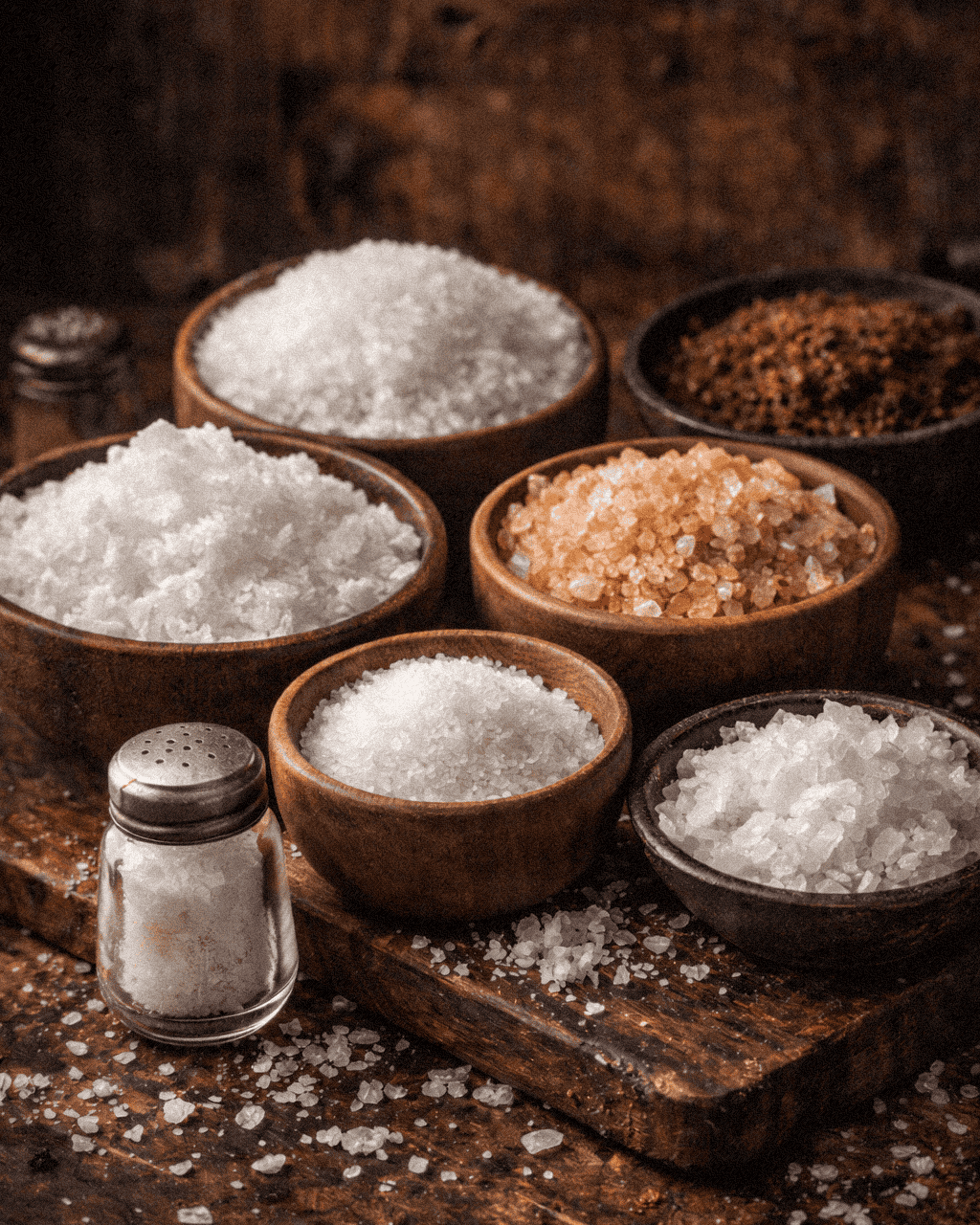
Not all salts are created equal, and choosing the right one can make a noticeable difference in your cooking. Kosher salt is the go-to choice for seasoning meats and everyday cooking because its coarse flakes are easy to control. Table salt is finer and more concentrated by volume, making it best for baking and recipes that require precise measurements. Sea salt adds a clean flavor and is often used as a finishing salt, while flaky salts like Maldon provide a delicate crunch for steaks, seafood, and vegetables. For sausage making and cured meats, curing salts such as Prague Powder #1 and #2 are essential for food safety and should never be substituted with regular salt.
Kosher Salt: The Best All-Purpose Cooking Salt
If professional kitchens had a favorite salt, kosher salt would almost certainly win.
Thanks to its large, flaky crystals, kosher salt gives cooks more control while seasoning. Consequently, it’s much easier to avoid over-salting food.
Why Chefs Prefer Kosher Salt
- Large, easy-to-grab crystals
- Even seasoning distribution
- Excellent control when seasoning by hand
- Less salty by volume than table salt
- Consistent results across recipes
Best Uses
- Meat, poultry, and seafood
- Soups and stews
- Sauces and gravies
- Vegetables
- Rice dishes
- Grilling and smoking
- Cajun and Creole cooking
If you’re only going to stock one salt in your kitchen, kosher salt should be your first choice.
Sea Salt: Clean Flavor and Versatility
Sea salt comes from evaporated seawater. Because producers process it less heavily than table salt, it often retains trace minerals that contribute subtle flavor differences.
Although those minerals don’t dramatically change nutrition, many cooks appreciate sea salt’s clean taste and versatility.
Benefits of Sea Salt
- Mild, balanced flavor
- Available in fine and coarse textures
- Less processed than table salt
- Works well in both cooking and baking
Best Uses
- Everyday cooking
- Seafood recipes
- Vegetables
- Sauces
- Baking (fine sea salt)
Meanwhile, fine sea salt works especially well when recipes require precise measurements.
Himalayan Pink Salt
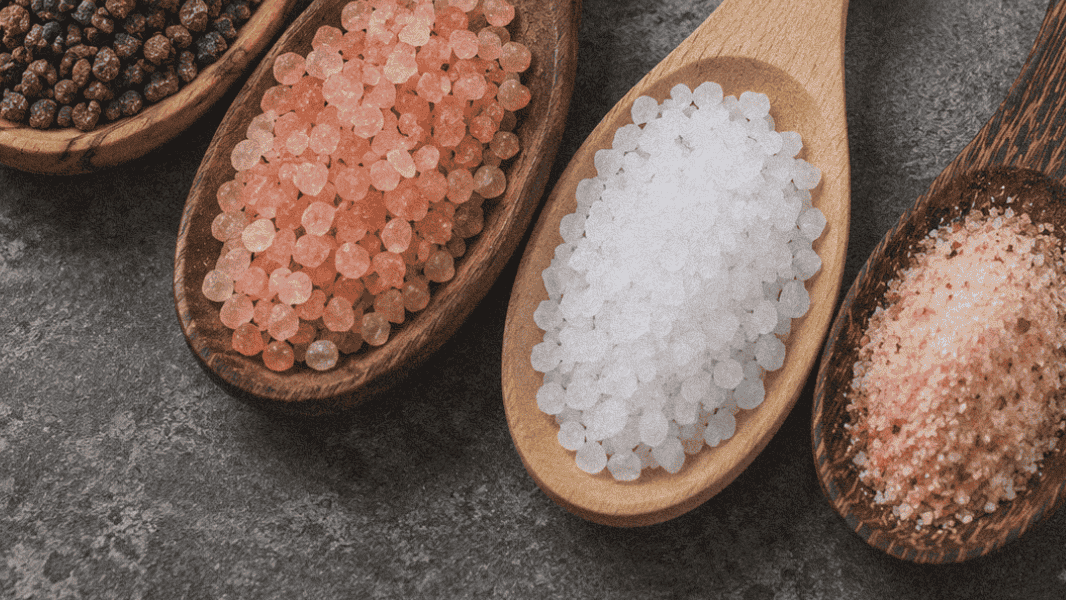
Himalayan pink salt comes from ancient underground salt deposits. Over time, trace minerals such as iron created its distinctive pink color.
As a result, many people choose Himalayan salt as much for appearance as flavor.
What Himalayan Salt Does Well
- Adds visual appeal
- Provides mild, clean flavor
- Works well in grinders
- Creates attractive finishing touches
Best Uses
- Steaks
- Burgers
- Roasted vegetables
- Grilled seafood
- Finishing applications
What It Doesn’t Do
Many marketing claims exaggerate the health benefits of Himalayan salt. In reality, it contains only trace amounts of minerals.
Therefore, most cooks use it primarily for presentation and finishing rather than nutrition.
Table Salt
Table salt remains one of the most common salts found in American kitchens.
Unlike kosher salt, manufacturers refine table salt into very small, uniform crystals. Additionally, many brands add iodine and anti-caking agents.
Advantages
- Easy to measure
- Consistent crystal size
- Inexpensive
- Readily available
Disadvantages
- Saltier by volume
- Easier to overuse
- Less control when seasoning by hand
Best Uses
- Baking
- Brining
- Recipes requiring exact measurements
For everyday cooking, however, many chefs still prefer kosher salt because it offers better control.
Flaky Finishing Salt
While cooking salts season food during preparation, finishing salts serve a completely different purpose.
Instead of dissolving into a dish, finishing salts remain visible and add texture right before serving.
Why Use Finishing Salt
- Adds crunch
- Enhances texture
- Improves presentation
- Creates concentrated bursts of flavor
Best Uses
- Steaks
- Burgers
- Fried seafood
- Roasted vegetables
- Chocolate desserts
- Fresh tomatoes
Even a small pinch can make a noticeable difference.
Smoked Salt
Smoked salt offers something most other salts can’t—built-in smoke flavor.
Manufacturers slowly smoke the salt over hardwood, allowing it to absorb rich, savory aromas. Consequently, a small amount can dramatically enhance a dish.
Best Uses
- Grilled meats
- Burgers
- Eggs
- Roasted vegetables
- Potatoes
- Barbecue recipes
Rather than replacing your everyday salt, smoked salt works best as a finishing ingredient or specialty seasoning.
Salt in Cajun and Southern Cooking
Louisiana cooking depends on balance. While salt plays an important role, it should support flavor rather than dominate it.
For that reason, experienced Cajun cooks often pair salt with:
- Black pepper
- Garlic
- Cayenne pepper
- Paprika
- Onion powder
Recommended Salts for Louisiana Cooking
- Kosher salt for general cooking
- Fine sea salt for sauces and gravies
- Flaky sea salt for finishing
- Himalayan salt for presentation
- Smoked salt for added depth
When used correctly, salt enhances the natural flavors of seafood, sausage, vegetables, and homemade stocks.
Which Salt Is Best?
There isn’t one salt that’s best for every situation—it depends on what you’re cooking. For most home cooks, kosher salt is the best all-around choice thanks to its clean flavor, coarse texture, and ease of control when seasoning meats and everyday dishes. Table salt is ideal for baking and recipes that require exact measurements, while flaky sea salts are perfect as a finishing touch. If you’re making sausage or other cured meats, curing salt is the only safe option for recipes that call for it. Keeping a few different salts in your kitchen ensures you’ll always have the right one for the job.
The answer depends on how you plan to use it.
Overall Cooking Salt
- Kosher salt
Best Salt for Baking
- Fine sea salt
- Table salt
Finishing Salt
- Flaky sea salt
- Himalayan pink salt
Specialty Salt
- Smoked salt
Ultimately, most home cooks can handle nearly every recipe with a quality kosher salt and a good finishing salt.
Common Salt Myths
Myth: Himalayan Salt Is Significantly Healthier – While it contains trace minerals, the amounts are too small to create major nutritional benefits.
Myth: Sea Salt Contains Less Sodium – Sea salt and table salt contain similar sodium levels by weight.
Myth: Expensive Salt Always Tastes Better – The best salt depends on the application, not the price tag.
Myth: All Salt Measure the Same – Different crystal sizes can dramatically affect volume measurements.
Salt Tips From Professional Kitchens
- Season gradually and taste often
- Use kosher salt for most cooking
- Save finishing salts for the final presentation
- Measure carefully when baking
- Match salt texture to the dish
- Store salt in a dry location
- Use smoked salt sparingly
- Learn how different salts dissolve
Small adjustments often create the biggest improvements in flavor.
Frequently Asked Questions
What is the best salt for everyday cooking?
Most professional chefs prefer kosher salt because it seasons evenly and provides excellent control.
Is sea salt healthier than table salt?
Not significantly. Both contain similar amounts of sodium and offer comparable nutritional value.
What makes Himalayan salt pink?
Trace minerals, particularly iron, give Himalayan salt its distinctive pink color.
When should I use finishing salt?
Add finishing salt immediately before serving to improve texture, flavor, and presentation.
Related Articles
- The MSG Debate: Is Monosodium Glutamate Really Bad for You? – Explore the science behind one of cooking’s most misunderstood ingredients.
- Butter vs. Oil: Which Is Better for Cooking? – Discover when each cooking fat performs best in the kitchen.
- The Art of Making Roux – Master one of Louisiana’s most important flavor-building techniques.
- How to Build Deep, Authentic Flavor in Louisiana Jambalaya – Learn the cooking methods that create true Cajun flavor.
Final Thoughts
You don’t need a collection of specialty salts to become a better cook. Instead, focus on understanding when and how to use a few key varieties. Most professional chefs rely on a dependable cooking salt and a quality finishing salt. Once you learn the strengths of each, you’ll season food more confidently and create dishes with better balance, texture, and flavor. Whether you’re cooking gumbo, grilling steaks, or frying seafood, choosing the right salt can elevate every meal.
- How food tastes
- How evenly seasoning spreads
- Texture and mouthfeel
- Cooking performance
As a result, professional chefs often use several types of salt depending on the dish and cooking method.
Choosing the right salt at the right time can instantly improve your cooking.