LOUISIANA SUGARCANE HISTORY: BORN IN THE FIELDS
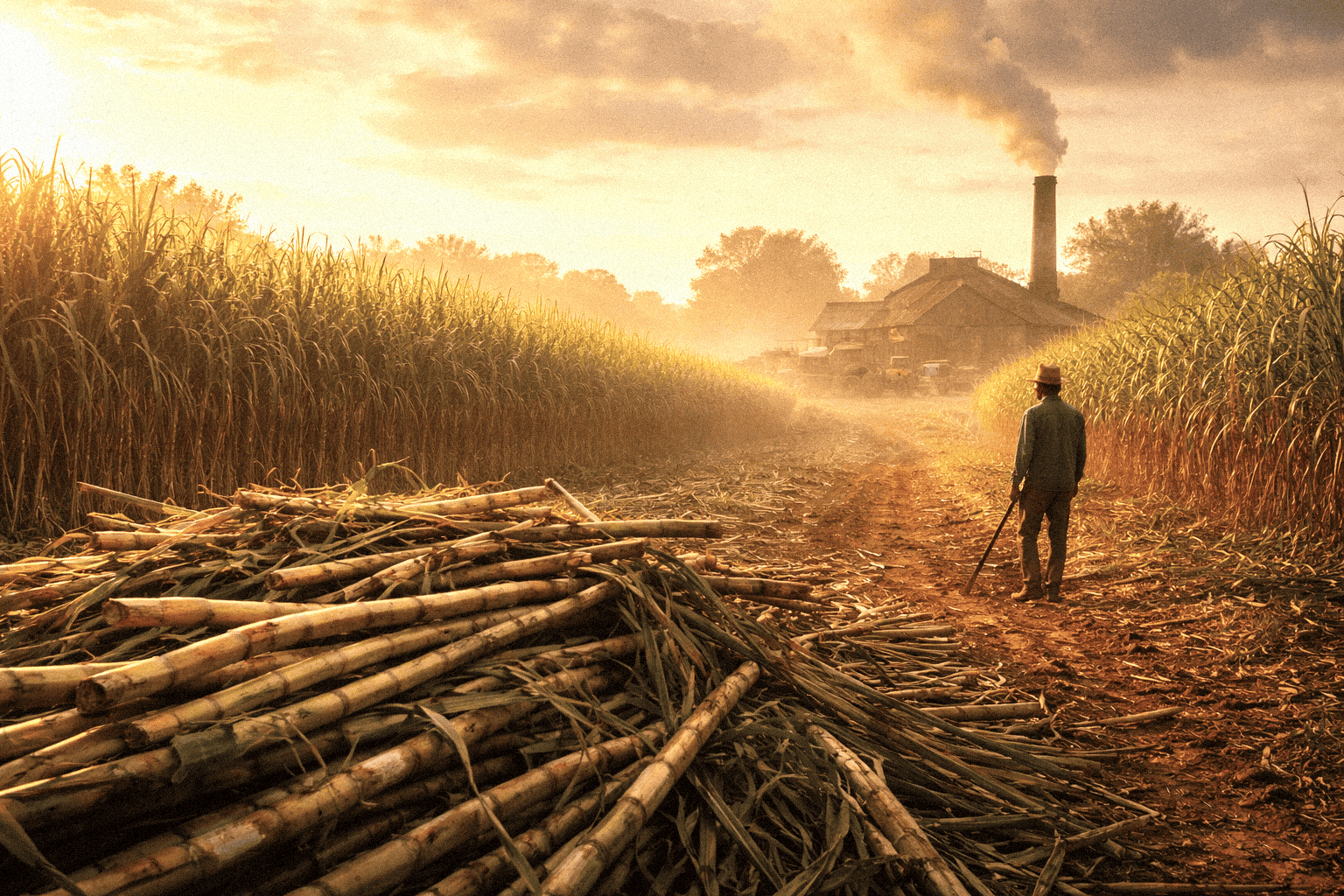
Few crops have shaped Louisiana’s economy, culture, and landscape like sugarcane. For generations, vast cane fields have stretched across South Louisiana, becoming a defining feature of the region. The crop has supported communities throughout the river parishes and bayou country while helping shape the state’s agricultural identity.
Sugarcane first arrived during Louisiana’s colonial era and quickly became one of the state’s most important crops. Over time, the industry expanded from early plantations to modern farming and sugar production. Along the way, it played a major role in Louisiana’s growth and development.
Today, Louisiana remains one of the nation’s leading sugar-producing states. Sugarcane continues to influence agriculture, industry, local traditions, and Southern cooking. In this guide, we’ll explore the history of sugarcane in Louisiana, how the industry developed, the people who helped build it, and the lasting impact it continues to have on the Bayou State. Whether you’re interested in Louisiana history, agriculture, or the story behind one of the state’s most important crops, sugarcane offers a fascinating look at Louisiana’s past and present.
The History of Sugarcane in Louisiana
Sugarcane has been part of Louisiana’s story for more than two centuries. First introduced in the late 1700s, the crop quickly found success in the state’s fertile alluvial soil, warm climate, and long growing seasons. By the early 1800s, sugarcane production expanded rapidly along the Mississippi River, helping transform Louisiana into one of the nation’s leading sugar-producing regions.
As sugar production grew, plantations, family farms, mills, and entire communities developed around the industry. Farmers learned to adapt to floods, freezes, hurricanes, and changing markets while improving cultivation and harvesting techniques. Through generations of innovation and hard work, sugarcane became one of Louisiana’s most valuable agricultural commodities.
Today, sugarcane remains a cornerstone of the state’s economy and supports thousands of jobs throughout South Louisiana.
African Contributions to Louisiana’s Sugarcane Industry
The history of Louisiana sugarcane cannot be told without recognizing the contributions of African and African American workers who helped build and sustain the industry.
During the 18th and 19th centuries, thousands of enslaved people worked in South Louisiana’s sugarcane fields and mills. Their labor, agricultural knowledge, craftsmanship, and perseverance played a critical role in establishing sugarcane as one of Louisiana’s most important crops.
Many of the cultural traditions, farming practices, foodways, and skills brought by Africans and their descendants became deeply woven into Louisiana life. Their influence can still be seen today throughout the state’s cuisine, music, culture, and agricultural heritage.
Life on sugar plantations was often physically demanding and existed within the institution of slavery, which denied people their freedom and basic rights. Despite these hardships, African Americans made lasting contributions that continue to shape Louisiana’s identity and agricultural success.
A Continuing Legacy in Louisiana Agriculture
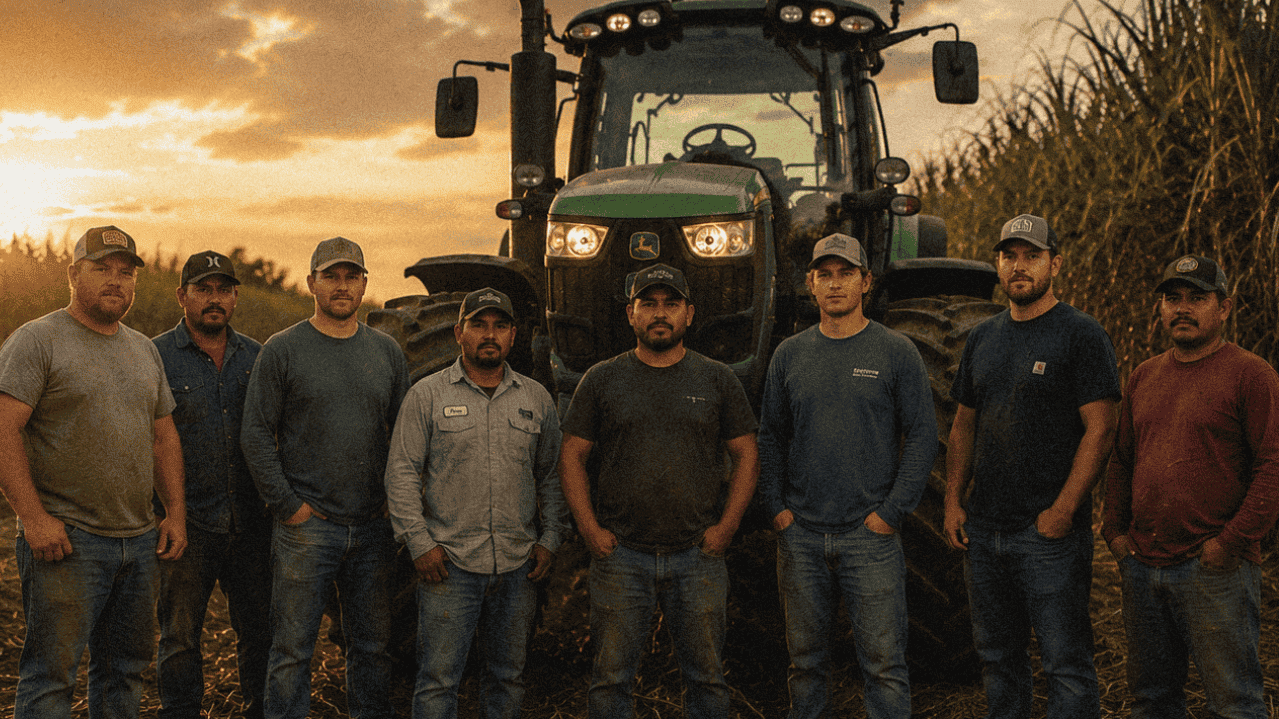
Louisiana’s sugarcane industry remains supported by a diverse workforce that reflects the state’s rich cultural heritage.
African Americans, Hispanics, Cajuns, Creoles, and people from many other backgrounds continue to play important roles in planting, harvesting, transporting, processing, and managing sugarcane operations across South Louisiana.
While modern farming relies on advanced equipment and technology, the industry still depends on the knowledge, experience, and dedication of thousands of workers. Many families have worked in Louisiana agriculture for generations, passing down traditions that continue to strengthen rural communities.
As visitors travel through the sugarcane fields of South Louisiana today, they are witnessing an industry built and sustained by generations of hardworking people whose contributions helped shape the Bayou State.
Where Sugarcane Is Grown in Louisiana
Sugarcane is grown primarily throughout South Louisiana, including:
- Acadiana
- River parishes along the Mississippi River
- Coastal lowlands
- Inland farming regions
The region’s flat terrain, nutrient-rich soil, and subtropical climate create ideal growing conditions. Unlike many crops, sugarcane can regrow from its root system after harvest, allowing farmers to harvest multiple crops from a single planting over several years.
How Sugarcane Is Grown
Sugarcane is not planted from seed. Instead, farmers plant sections of mature stalks known as seed cane directly into prepared rows.
Planting typically takes place during late summer and early fall. The crop then grows throughout the spring and summer, often reaching heights of eight to twelve feet. Warm temperatures and consistent rainfall help fuel rapid growth.
After harvest, the root system remains in place and produces new growth through a process known as ratooning. This allows farmers to harvest additional crops from the same field for several years before replanting becomes necessary.
Harvest season, known locally as grinding season, usually runs from October through December and occasionally into early January. Once harvested, the cane is transported quickly to nearby sugar mills to preserve quality and sugar content.
From Field to Sugar
After harvest, sugarcane begins processing almost immediately.
The stalks are crushed to extract their juice, which is then heated and filtered to remove impurities. Next, the juice is concentrated into syrup through evaporation. As the syrup cools, sugar crystals begin to form. The crystals are then separated, dried, and processed into raw sugar.
Throughout harvest season, sugar mills operate around the clock to keep pace with incoming cane deliveries. The glow of mill lights and the sweet aroma of fresh cane remain familiar sights and smells across South Louisiana during grinding season.
Why Sugarcane Matters to Louisiana Culture
Sugarcane is deeply woven into Louisiana’s rural identity. Generations have grown up working in the fields, operating equipment, hauling cane, or helping during harvest season.
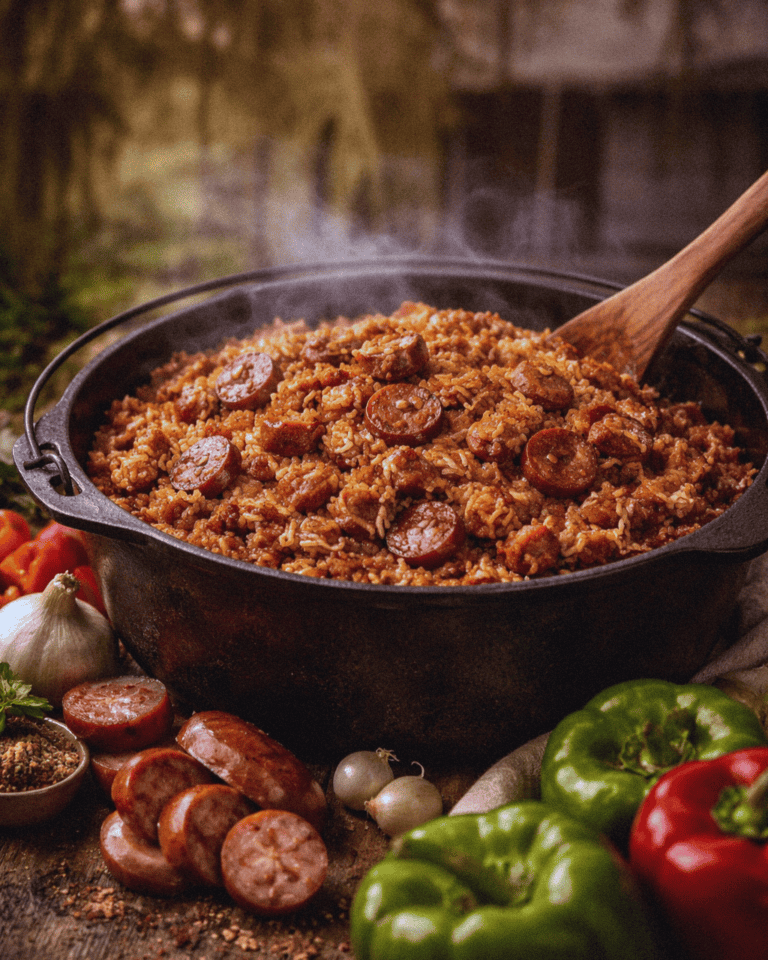
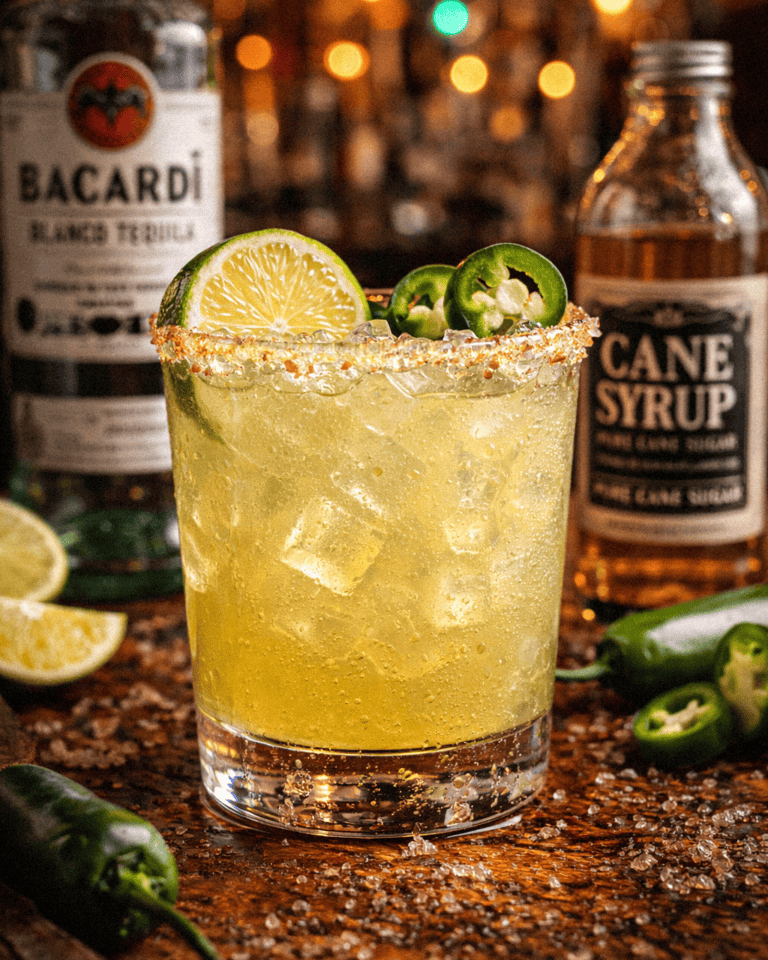
The crop has also influenced Louisiana’s food traditions. Cane syrup, molasses, and Louisiana sugar have long been staples in Southern kitchens and appear in everything from biscuits and desserts to barbecue sauces and holiday recipes.
For many Louisiana families, sugarcane represents hard work, resilience, tradition, and pride in the land.
Sugarcane Today
Modern sugarcane farming blends generations of experience with modern technology. GPS-guided equipment, improved milling operations, and sustainable farming practices help Louisiana farmers remain productive while protecting natural resources.
Despite changing times, sugarcane remains Louisiana’s largest crop by acreage and continues to shape the landscape and economy of South Louisiana.
The endless rows of green cane stretching across the countryside remain one of the most recognizable symbols of the Bayou State.
Frequently Asked Questions
When was sugarcane introduced to Louisiana?
Sugarcane was introduced during the late 1700s and quickly became one of Louisiana’s most important agricultural crops.
Where is most Louisiana sugarcane grown?
Most sugarcane is grown throughout South Louisiana, particularly in Acadiana and the Mississippi River parishes.
What is grinding season?
Grinding season is the annual sugarcane harvest period, typically running from October through December when sugar mills process freshly cut cane.
How is sugarcane planted?
Farmers plant sections of mature stalks known as seed cane rather than planting seeds.
Why is sugarcane important to Louisiana?
Sugarcane supports thousands of jobs, contributes significantly to the state’s economy, and plays an important role in Louisiana’s agricultural and cultural heritage.
Related Articles
Small-Town Louisiana Food and Hidden Gems
Explore the communities, restaurants, and local traditions that make rural Louisiana unique.
Louisiana Coastal Cities Where Fishing and Cajun Culture Thrive
Visit the towns where agriculture, seafood, and Cajun culture continue to influence everyday life.
What Is the Holy Trinity in Louisiana Cooking?
Learn about the vegetable foundation behind many of Louisiana’s most iconic dishes.
Exploring Louisiana Swamps and Bayous
Discover the waterways and landscapes that helped support Louisiana’s agricultural development.
Final Thoughts
Sugarcane is more than a crop in Louisiana. It is part of the state’s history, economy, culture, and identity. From the earliest fields along the Mississippi River to today’s modern farming operations, sugarcane has helped shape generations of communities throughout South Louisiana.
Understanding Louisiana sugarcane means understanding the people who planted it, harvested it, processed it, and built their lives around it. The fields stretching across the countryside tell a story of hard work, resilience, and tradition that continues to define the Bayou State today.