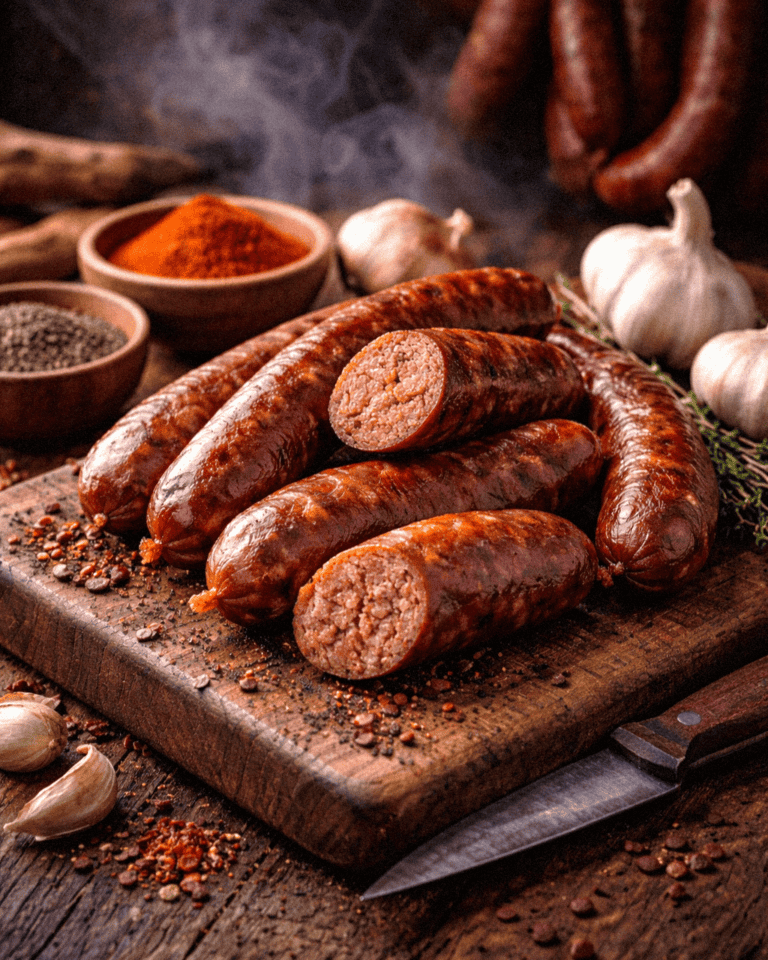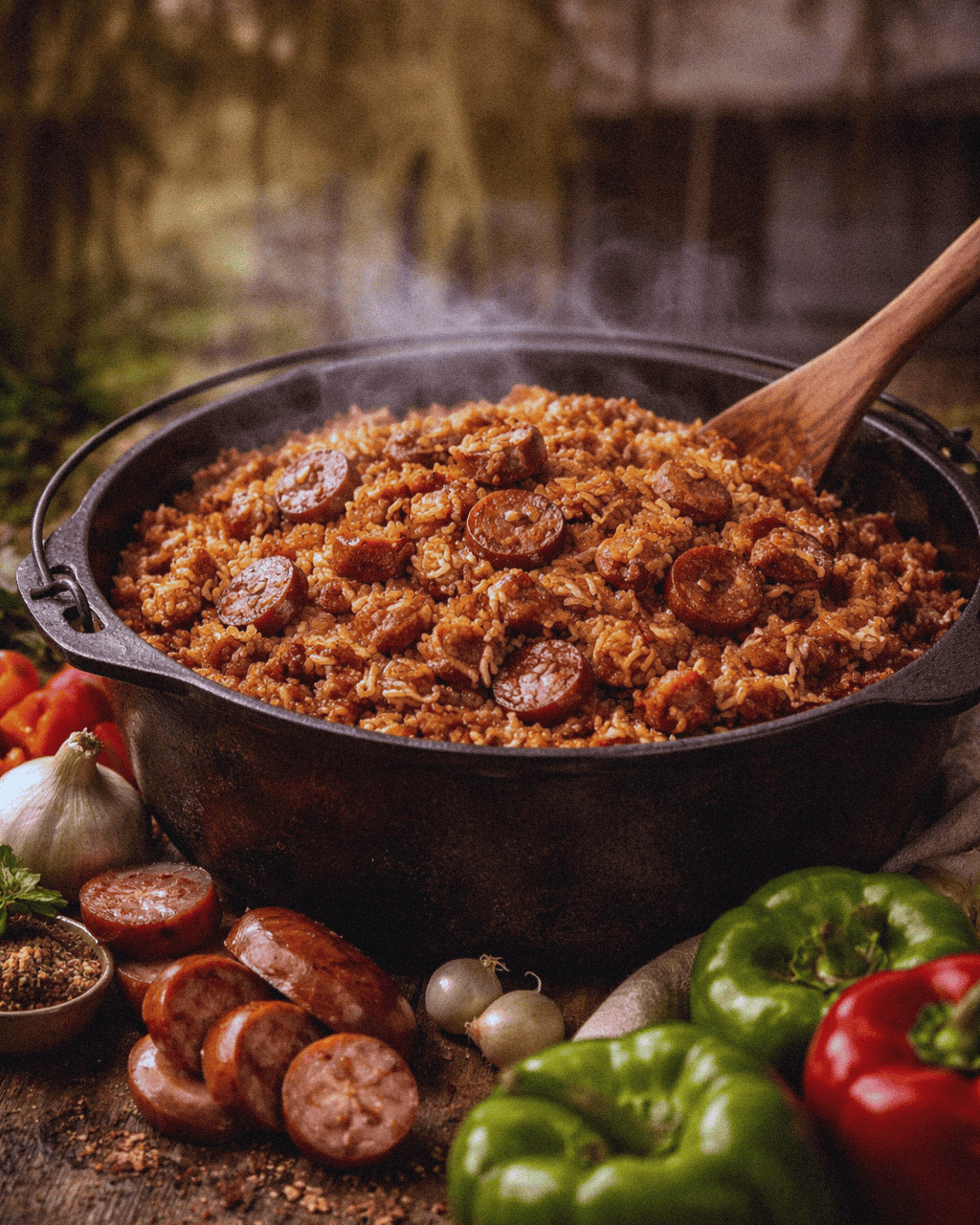
The History of Louisiana Jambalaya: A Bayou Tradition
Few dishes are as closely tied to Louisiana’s identity as jambalaya. Found everywhere from family gatherings and hunting camps to church fairs and festival cook-offs, jambalaya has become one of the state’s most beloved culinary traditions. This iconic rice dish reflects the diverse cultural influences that shaped Louisiana, blending elements of Spanish, French, African, Native American, and Caribbean cooking into a meal that is uniquely Louisiana. While recipes vary from region to region, the spirit of jambalaya has always remained the same—bringing people together around a pot of hearty, flavorful food.
In this article, we’ll explore the fascinating history of Louisiana jambalaya, from its origins and cultural influences to its evolution into a Cajun and Creole staple. You’ll learn how the dish adapted to local ingredients, why different styles developed across the state, and how jambalaya became one of the most recognizable symbols of Louisiana cooking. Whether you’re a lifelong Louisianian or simply love Cajun food, understanding the history of jambalaya offers a deeper appreciation for the traditions behind every spoonful.
The History of Jambalaya: How Louisiana’s Most Famous Rice Dish Was Born
Jambalaya is one of the most iconic dishes in Louisiana cooking. Found everywhere from family gatherings and hunting camps to tailgates and festivals, this one-pot rice dish has become a symbol of the state’s rich cultural heritage. But jambalaya didn’t appear overnight. Its story is one of immigration, adaptation, and the blending of multiple cultures that helped shape Louisiana into what it is today.
Why Jambalaya Is More Than Just a Rice Dish
Few foods represent Louisiana as completely as jambalaya.
At its core, jambalaya is a simple combination of rice, meat, vegetables, and seasonings cooked together in a single pot. Yet behind that simplicity lies centuries of history and cultural influence.
The dish reflects Louisiana’s unique mix of:
- Spanish heritage
- French influence
- Acadian (Cajun) traditions
- West African cooking techniques
- Local Louisiana ingredients
Together, these influences created a dish that remains one of the most recognizable foods in the South.
The Spanish Influence: Louisiana’s Connection to Paella
Many food historians trace jambalaya’s origins to Spanish paella.
During Spanish rule of Louisiana in the late 1700s, settlers attempted to recreate the rice dishes they had enjoyed in Spain. Traditional paella relied heavily on saffron, which was difficult and expensive to obtain in colonial Louisiana.
Without access to saffron, cooks began substituting local ingredients and seasonings.
Over time, the dish evolved into something entirely new.
Instead of copying Spanish recipes exactly, Louisiana cooks adapted them to fit the ingredients available in their region, laying the foundation for what would eventually become jambalaya.
French and Acadian Influences
While Spanish settlers helped introduce the concept of one-pot rice dishes, French and Acadian settlers played an equally important role in jambalaya’s development.
After being expelled from Canada, many Acadians settled throughout South Louisiana and became known as Cajuns.
Living in rural communities, Cajun cooks relied on:
- Wild game
- Smoked meats
- Rice
- Local vegetables
- Simple seasonings
Their practical cooking style focused on hearty meals that could feed large families and work crews.
Jambalaya fit perfectly into that tradition.
The Impact of West African Cooking Traditions
West African influence is another essential part of jambalaya’s history.
Rice was already a staple food throughout many West African cultures long before Louisiana was settled.
Enslaved Africans brought valuable agricultural knowledge and cooking techniques to Louisiana, including methods for growing and preparing rice.
Many historians believe West African one-pot rice dishes helped shape the evolution of jambalaya by contributing:
- Rice-centered cooking methods
- One-pot preparation techniques
- Layered flavor building
- Community-style meals
These influences remain visible in jambalaya today.
The Birth of a Louisiana Original
As Spanish, French, Acadian, African, and local Louisiana influences merged, jambalaya gradually developed into a distinctly Louisiana dish.
Rather than belonging to any single culture, jambalaya became a reflection of all of them.
The result was a practical, flavorful meal capable of feeding large groups while utilizing locally available ingredients.
Over time, it became a staple across much of South Louisiana.
Creole vs. Cajun Jambalaya
As jambalaya spread throughout Louisiana, two primary styles emerged.
Creole Jambalaya
Creole jambalaya is most commonly associated with New Orleans and surrounding areas.
Its defining characteristic is the use of tomatoes.
Because of this, Creole jambalaya is often called “red jambalaya.”
Common ingredients include:
- Tomatoes
- Chicken
- Sausage
- Shrimp
- Rice
- The Holy Trinity
The tomatoes add both color and a slightly tangy flavor.
Cajun Jambalaya
Cajun jambalaya developed throughout rural South Louisiana.
Unlike the Creole version, Cajun jambalaya does not contain tomatoes.
Instead, its signature brown color comes from properly browning the meat before adding the rice.
This style relies heavily on:
- Chicken
- Andouille sausage
- Rich stock
- Deep browning
- Layered seasoning
The result is a smoky, deeply flavored rice dish that many consider the traditional Louisiana jambalaya.
Why Browning Matters in Cajun Jambalaya
One of the defining characteristics of Cajun jambalaya is the browning process.
Chicken and sausage are cooked until they develop a dark crust and leave flavorful browned bits on the bottom of the pot.
Louisiana cooks often refer to these browned bits as “gratin.”
These bits are then incorporated into the rice, creating the deep flavor that separates authentic Cajun jambalaya from shortcuts.
For many Louisiana cooks, mastering the browning process is the key to great jambalaya.
A Dish Built for Feeding Crowds
Jambalaya has always been a communal dish.
Its one-pot design makes it ideal for feeding large groups of people.
Throughout Louisiana, jambalaya is commonly cooked at:
- Family reunions
- Church fairs
- Festivals
- Hunting camps
- Tailgates
- Fundraisers
- Backyard gatherings
Large cast iron pots and outdoor burners are often used to prepare enough jambalaya for dozens—or even hundreds—of people at a time.
How Jambalaya Has Evolved
Like most Louisiana recipes, jambalaya continues to evolve.
While chicken and smoked sausage remain the most popular combination, modern versions often include:
- Shrimp
- Crawfish
- Duck
- Alligator
- Tasso
- Ham
Every family seems to have its own recipe, and every cook has a slightly different technique.
That’s part of what makes Louisiana food culture so unique.
What Has Stayed the Same
Despite all the variations, the foundation of jambalaya has remained remarkably consistent.
Every version still relies on:
- Rice
- Seasoning
- Meat or seafood
- The Holy Trinity
- One-pot cooking
Those fundamentals continue to connect modern jambalaya to its historic roots.
Jambalaya Today
Today, jambalaya is one of Louisiana’s most beloved and recognizable dishes.
You’ll find it served everywhere from small-town fundraisers to fine dining restaurants.
For many people, it represents the spirit of Louisiana itself:
- Diverse influences
- Rich traditions
- Community gatherings
- Resourceful cooking
- Bold flavor
Whether cooked in a backyard, at a festival, or in a restaurant kitchen, jambalaya remains a dish that brings people together.
Frequently Asked Questions
Where did jambalaya originate?
Jambalaya originated in Louisiana through a blend of Spanish, French, Acadian, West African, and local culinary influences.
What is the difference between Cajun and Creole jambalaya?
Creole jambalaya contains tomatoes and is often called red jambalaya. Cajun jambalaya skips tomatoes and develops its brown color through the browning of meat.
Is jambalaya related to paella?
Yes. Many historians believe Spanish paella helped inspire the development of jambalaya during Louisiana’s Spanish colonial period.
Why is rice so important in jambalaya?
Rice serves as the foundation of the dish and reflects both Spanish and West African culinary influences.
What meats are traditionally used in jambalaya?
Chicken and smoked sausage are the most common, though shrimp, crawfish, duck, and other proteins are also popular.
Related Articles
Authentic Louisiana Jambalaya Recipe — Learn how to make a traditional chicken and sausage jambalaya step by step.
What Is the Holy Trinity in Louisiana Cooking? — Discover the flavor base behind countless Cajun and Creole recipes.
The History of Gumbo — Explore another Louisiana classic shaped by generations of cultural influence.
Louisiana Andouille Sausage Guide — Learn about one of the most important ingredients in Cajun cooking.
Final Thoughts
The history of jambalaya is really the history of Louisiana itself. Born from the blending of cultures, shaped by local ingredients, and perfected through generations of cooks, jambalaya remains one of the state’s greatest culinary achievements. Whether you prefer a tomato-rich Creole version or a smoky Cajun pot, every spoonful tells a story that stretches back centuries and continues to evolve with each new generation.