Lafitte’s Blacksmith Shop: The Oldest Bar in America
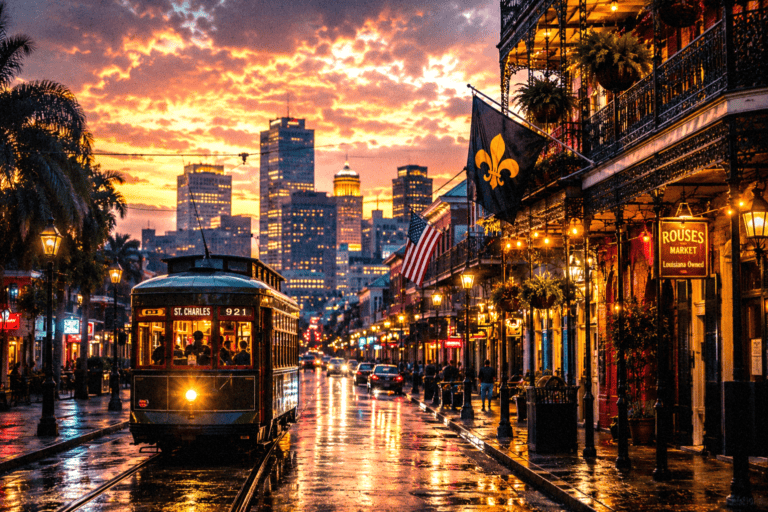
Nestled in the heart of the French Quarter, Lafitte’s Blacksmith Shop is one of New Orleans’ most iconic landmarks and is widely recognized as the oldest bar in America. Dating back to the early 1700s, this historic building is steeped in Louisiana history, pirate legends, and centuries of colorful stories. Believed to have once been associated with the infamous pirate Jean Lafitte, the candlelit tavern offers visitors a unique glimpse into New Orleans’ past while serving up famous cocktails in an atmosphere unlike any other. Whether you’re exploring the French Quarter for the first time or searching for the best historic attractions in New Orleans, a visit to Lafitte’s Blacksmith Shop is a must for anyone wanting to experience one of the city’s most legendary destinations.
The History of Lafitte’s Blacksmith Shop
Few places capture the spirit of New Orleans quite like Lafitte’s Blacksmith Shop. Located on Bourbon Street in the heart of the French Quarter, this historic building blends colonial history, pirate legends, ghost stories, and old-world charm into one unforgettable destination.
Today, visitors stop by for cocktails and atmosphere. However, the building’s story stretches back centuries and offers a fascinating glimpse into early Louisiana history.
A Building Older Than the City Itself
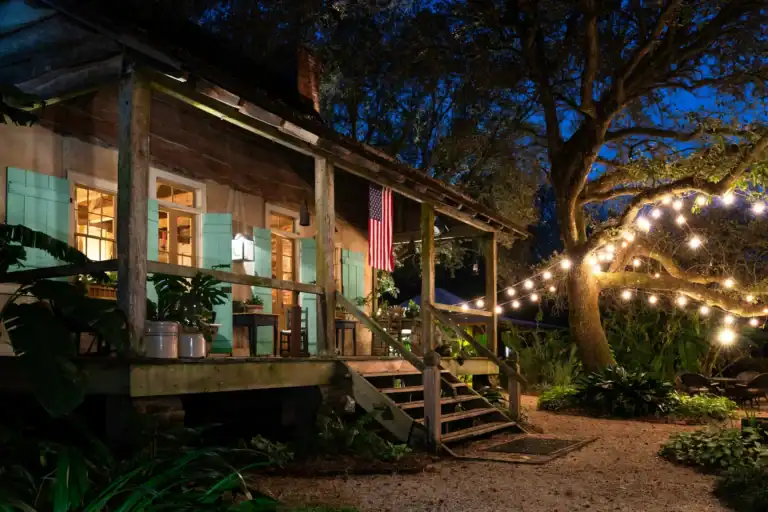
Lafitte’s Blacksmith Shop dates to the early 1700s, making it one of the oldest surviving buildings in the Mississippi Valley.
During Louisiana’s French colonial period, craftsmen used the structure as a working blacksmith shop. At the time, blacksmiths played a critical role in New Orleans, repairing tools, wagons, ship equipment, and countless items needed to support a growing port city.
To withstand the challenges of life in colonial Louisiana, builders constructed the shop with:
- Thick brick walls
- Heavy timber framing
- Small windows
- Durable materials designed to survive floods, fires, and hurricanes
As a result, the building remains one of the best-preserved examples of early French colonial architecture in New Orleans.
The Lafitte Brothers and Pirate Legends
Most people associate the building with the legendary pirate and privateer Jean Lafitte.
According to local folklore, Jean Lafitte and his brother Pierre used the property as a front for smuggling operations during the early 1800s. While legitimate business took place above board, rumors suggest stolen goods moved through the area under the cover of normal commercial activity.
Although historians continue to debate how closely Jean Lafitte was connected to the building, the story has become deeply rooted in New Orleans culture.
Today, the pirate connection adds another layer of intrigue to an already fascinating landmark.
Candlelight, Cocktails, and Old-World Atmosphere
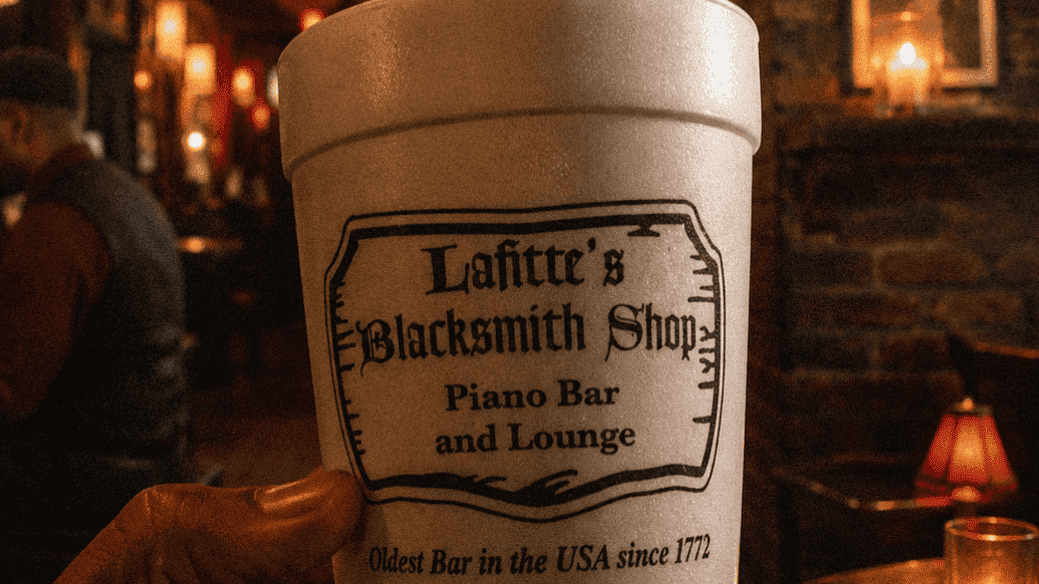
Unlike many bars along Bourbon Street, Lafitte’s Blacksmith Shop offers an atmosphere that feels frozen in time.
One of the first things visitors notice is the lighting.
What Makes the Atmosphere Unique?
- No traditional electric lighting
- Candlelit interior
- Exposed brick walls
- Historic wooden beams
- Original architectural features
Consequently, stepping inside feels less like entering a modern bar and more like walking into another century.
While signature drinks such as the Purple Voodoo Daiquiri attract visitors, the building itself remains the true attraction.
Haunted History and Local Legends
Like many historic buildings in New Orleans, Lafitte’s Blacksmith Shop has developed a reputation for paranormal activity.
Over the years, visitors and employees have reported:
- Strange lights
- Unexplained sounds
- Shadowy figures
- Unusual sensations
Many of these stories center around Jean Lafitte and the countless individuals who passed through the building during its long history.
Whether you believe in ghosts or simply enjoy the stories, these legends have helped make Lafitte’s one of the most talked-about locations in the French Quarter.
Lafitte’s Place in New Orleans History
Beyond the pirate stories and ghost tales, Lafitte’s Blacksmith Shop serves as an important reminder of New Orleans’ past.
The building reflects several key chapters in the city’s history, including:
- French colonial settlement
- Early trade and commerce
- Mississippi River smuggling routes
- Skilled craftsmanship and industry
- Historic preservation efforts
Meanwhile, much of Bourbon Street has transformed over the centuries. Lafitte’s, however, continues to provide a direct connection to old New Orleans.
Why Lafitte’s Blacksmith Shop Is Worth Visiting
For visitors looking to experience authentic New Orleans history, few places compare to Lafitte’s Blacksmith Shop.
Reasons to Visit
- One of the oldest surviving buildings in Louisiana
- Strong ties to pirate-era folklore
- Historic French Quarter architecture
- Unique candlelit atmosphere
- Rich New Orleans history and culture
Most importantly, Lafitte’s offers something increasingly rare in modern cities—a genuine sense of place.
Exploring the French Quarter Beyond Lafitte’s
While Lafitte’s Blacksmith Shop deserves a visit of its own, it also serves as a perfect starting point for exploring the surrounding French Quarter.
Within walking distance, visitors can discover:
- Historic courtyards
- Colonial-era architecture
- Jackson Square
- St. Louis Cathedral
- Royal Street galleries
- Historic restaurants and cafés
Together, these landmarks tell the story of a city shaped by French, Spanish, African, Caribbean, and American influences.
A Living Symbol of Old New Orleans
Lafitte’s Blacksmith Shop remains one of the most recognizable symbols of New Orleans history.
Weathered yet enduring, the building reflects the same qualities that define the city itself: resilience, character, tradition, and storytelling.
For generations, locals and visitors alike have gathered beneath its historic roof to enjoy music, conversation, and a connection to the past.
As a result, Lafitte’s continues to stand as one of the most authentic experiences in the French Quarter.
Frequently Asked Questions
How old is Lafitte’s Blacksmith Shop?
The building dates to the early 1700s and ranks among the oldest surviving structures in the Mississippi Valley.
Did Jean Lafitte actually use the building?
Local legend says he did, although historians continue to debate the extent of his involvement.
Why is Lafitte’s Blacksmith Shop famous?
The building is famous for its age, pirate connections, candlelit atmosphere, and role in New Orleans history.
Is Lafitte’s Blacksmith Shop haunted?
Many visitors and staff members have reported paranormal experiences over the years, making it one of the French Quarter’s most famous haunted locations.
What is the most popular drink at Lafitte’s?
The Purple Voodoo Daiquiri remains one of the bar’s signature drinks.
Related Articles
Exploring the French Quarter: Must-See Attractions – Discover the historic landmarks, restaurants, and hidden gems that make the French Quarter one of America’s most unique neighborhoods.
French Quarter Festival Guide – Experience Louisiana music, food, and culture at one of New Orleans’ most beloved annual festivals.
The History of the Zulu Parade – Explore the story behind one of Mardi Gras’ most iconic traditions and its lasting impact on New Orleans culture.
Final Thoughts
Lafitte’s Blacksmith Shop offers far more than a place to grab a drink. It provides a direct connection to colonial Louisiana, pirate legends, French Quarter history, and the enduring culture of New Orleans. Whether you’re drawn by the stories of Jean Lafitte, the candlelit atmosphere, or the building’s remarkable history, a visit to Lafitte’s remains one of the most memorable experiences in the city.