The History of Louisiana Music: Cajun, Zydeco & Jazz
The history of Louisiana music is a story of cultural influences, traditions, and innovation that helped shape some of the most recognizable sounds in the world. From the dance halls of Cajun Country to the vibrant streets of New Orleans, Louisiana has long been a melting pot of French, African, Caribbean, Spanish, and Native American influences. These diverse cultures gave rise to legendary musical styles such as Cajun music, Zydeco, and Jazz, each carrying its own unique sound while reflecting the state’s rich heritage.
Today, Louisiana remains one of America’s most important musical destinations, drawing visitors from around the world to experience its festivals, live performances, and historic music venues. In this guide, we’ll explore the history of Louisiana music, tracing the origins of Cajun, Zydeco, and Jazz while examining the musicians, communities, and traditions that helped make the Bayou State a global center for musical culture. Whether you’re interested in Louisiana history, New Orleans jazz, or the roots of Cajun and Creole music, understanding these genres offers a deeper appreciation for the culture and spirit of Louisiana.
Cajun Music: Songs of Exile, Survival, and Home
Cajun music began with hardship. In the mid-1700s, French-speaking Acadians were forced from their homeland in Canada during the Great Expulsion. Eventually, many settled across South Louisiana, where they built new lives along bayous, prairies, and farmland.
Although they lost their homes, they carried their language, faith, traditions, and music with them.
Early Cajun songs were simple, emotional, and deeply personal. Musicians sang in Cajun French and passed songs down by ear. At first, the fiddle served as the main voice of the music. Later, the accordion arrived and became the heartbeat of Cajun sound.
Together, these instruments filled homes, dance halls, and community gatherings with songs about love, loss, family, faith, and survival.
Music became central to everyday life. Families gathered at fais do-dos, where neighbors danced late into the night while children slept nearby. Over time, Cajun music absorbed country, blues, and Southern folk influences. Even so, it never lost its Acadian roots.
Today, Cajun music remains tied to rural Louisiana, family traditions, and the French language that survived against the odds.
Zydeco: The Sound of Creole Louisiana
While Cajun music grew from Acadian roots, Zydeco rose from Louisiana’s Creole communities. It blended African rhythms, French lyrics, blues, and rhythm and blues into a sound unlike anything else in America.
From the beginning, Zydeco was made for dancing.
Across Southwest Louisiana, Creole musicians created songs that reflected work, family, faith, and community life. As a result, Zydeco became both a celebration and an escape from hard times.
The accordion carried the melody. Meanwhile, the frottoir, or washboard, created the driving rhythm. Together, they produced a sound that filled dance halls and demanded movement.
The word “Zydeco” likely comes from a French phrase about unsalted beans, a reference to lean times. However, the music itself overflowed with energy, pride, and creativity.
Over time, Zydeco absorbed funk, soul, and rock influences. Still, it stayed connected to the Creole communities that created it. Today, it remains one of Louisiana’s most energetic and recognizable musical traditions.
Jazz: Louisiana’s Gift to the World
Meanwhile, another musical revolution was taking shape in New Orleans.
In the late 1800s and early 1900s, New Orleans became a meeting place for African, Caribbean, European, and American influences. Brass bands marched through neighborhoods. Blues and gospel mixed with ragtime. Music followed funerals, parades, church gatherings, and street celebrations.
From that cultural crossroads, jazz was born.
Jazz embraced improvisation. Musicians responded to one another in real time, creating something new with every performance. As a result, jazz reflected the complexity of Louisiana life: sorrow and joy, struggle and celebration, discipline and freedom.
Before long, jazz traveled up the Mississippi River and spread to cities like Chicago, New York, and beyond. Along the way, it changed American music forever.
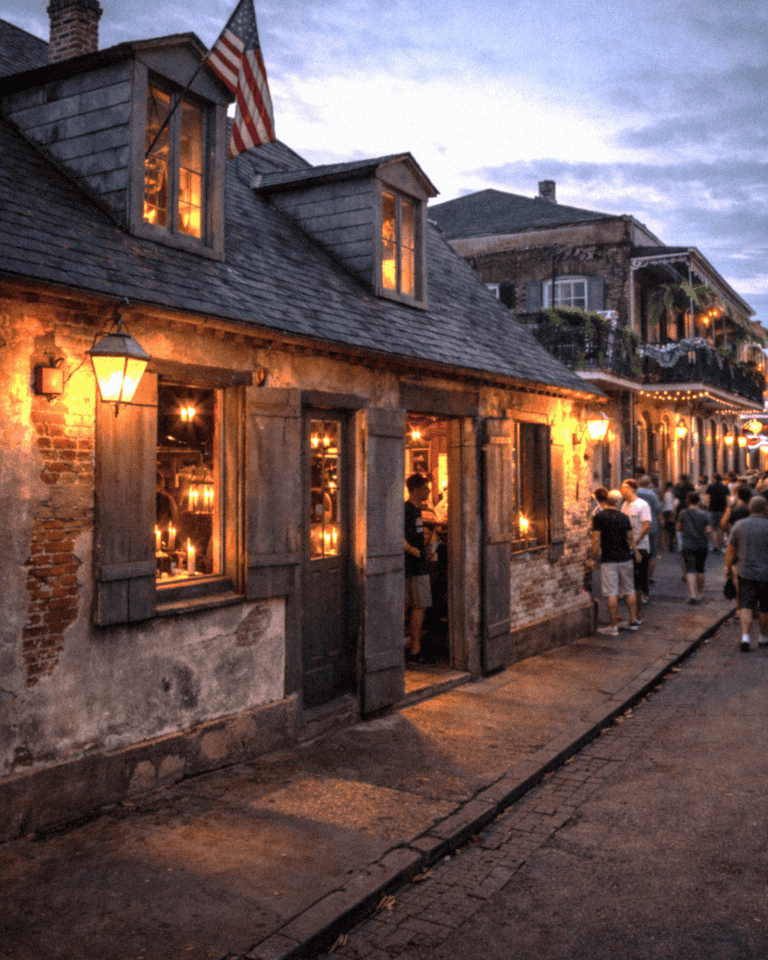
Even today, jazz still lives in Louisiana. You can hear it in second lines, neighborhood bars, street corners, festivals, and historic New Orleans music clubs.
A Living Soundtrack, Not a Museum Piece
What makes Louisiana music different is that it never became a relic. Cajun music, Zydeco, and jazz still live in the communities that created them.
Families pass songs down through generations. Children learn rhythms from parents and grandparents. Young musicians add new sounds while still honoring the old ones.
Because of that, Louisiana music continues to evolve without losing its roots.
You can hear these sounds at crawfish boils, Mardi Gras parades, dance halls, festivals, and backyard gatherings. They are not preserved behind glass. Instead, they remain part of everyday life.
Some of the Legends Who Helped Shape Louisiana Music
Louisiana’s musical heritage was built by generations of musicians who blended African, French, Spanish, Caribbean, Native American, and rural Southern influences into sounds found nowhere else in the world. These artists didn’t simply create songs—they created entire genres that continue to influence music around the globe.
Cajun Music Pioneers
Cajun music traces its roots to the Acadian people who settled in South Louisiana after being expelled from Canada during the Great Expulsion. Over time, traditional French ballads evolved into the lively accordion-and-fiddle sound that defines Cajun music today.
Some of the most influential Cajun musicians include:
- Dennis McGee – One of the greatest Cajun fiddlers in history whose recordings helped preserve traditional Cajun music.
- Nathan Abshire – A legendary accordion player whose energetic style helped bring Cajun music to a wider audience.
- Iry LeJeune – Often called one of the fathers of modern Cajun music, his emotional accordion playing inspired generations of musicians.
- Dewey Balfa – A driving force behind the Cajun music revival during the 1960s and 1970s, helping introduce the genre to audiences across America.
- Harry Choates – Fiddler and songwriter best known for “Jole Blon,” one of the most famous Cajun songs ever recorded.
Zydeco Trailblazers
Born in the Creole communities of Southwest Louisiana, Zydeco combines French Creole music with blues, rhythm and blues, gospel, and early rock and roll. Its infectious rhythms and washboard beats have made it one of Louisiana’s most recognizable musical traditions.
The pioneers of Zydeco include:
- Clifton Chenier – Known as the “King of Zydeco,” Chenier transformed the genre into an international sensation with his powerful accordion playing and soulful vocals.
- Cleveland Chenier – Clifton’s brother and longtime washboard player who helped define the classic Zydeco sound.
- Rockin’ Dopsie (Alton Rubin) – Introduced Zydeco to audiences around the world with his energetic performances and innovative style.
- Boozoo Chavis – Helped keep traditional Zydeco alive while inspiring future generations of Creole musicians.
The Birth of Jazz
No discussion of Louisiana music is complete without New Orleans, the birthplace of Jazz. Around the turn of the twentieth century, musicians blended ragtime, blues, brass band traditions, gospel, and Caribbean rhythms into an entirely new form of music that would eventually change the world.
Among Jazz’s earliest pioneers were:
- Buddy Bolden – Widely considered the first true Jazz musician, even though no recordings of his music exist today.
- Jelly Roll Morton – One of Jazz’s earliest composers who claimed to have invented the genre and helped shape its structure.
- Louis Armstrong – Perhaps the most influential Jazz musician of all time, Armstrong revolutionized improvisation, trumpet performance, and vocal jazz while becoming one of America’s greatest entertainers.
- Sidney Bechet – A master of the soprano saxophone whose expressive style influenced Jazz musicians for generations.
- King Oliver – Mentor to Louis Armstrong and one of early Jazz’s greatest cornet players.
Louisiana Music Today – Keeping the Tradition Alive
While Louisiana music continues to evolve, today’s artists remain deeply connected to the traditions established by the legends who came before them. Across dance halls, festivals, restaurants, and music venues throughout the state, Cajun music, Zydeco, and Jazz continue to thrive for new generations.
Modern Cajun Artists
Today’s Cajun musicians honor traditional French lyrics and acoustic instrumentation while introducing younger audiences to Louisiana’s musical heritage.
Some of today’s most respected Cajun performers include:
- Wayne Toups – Often called the “ZyCajun” king for blending Cajun music with rock and country influences.
- The Pine Leaf Boys – Grammy Award-winning band dedicated to preserving traditional Cajun music while attracting younger fans.
- The Lost Bayou Ramblers – Known for combining authentic Cajun music with creative modern influences without losing their traditional roots.
- Steve Riley & the Mamou Playboys – One of Louisiana’s most respected contemporary Cajun bands, helping keep traditional accordion music alive around the world.
Modern Zydeco Artists
Zydeco remains one of Louisiana’s most energetic musical traditions thanks to artists who continue filling dance floors across South Louisiana.
Leading today’s Zydeco scene are:
- Chubby Carrier – Grammy Award-winning accordion player known for high-energy performances and traditional Zydeco roots.
- Keith Frank – One of the genre’s biggest modern stars, blending classic Zydeco with contemporary sounds.
- Nathan Williams & the Zydeco Cha Chas – Continuing traditional Creole music while performing internationally.
- Geno Delafose – A respected accordion player who remains deeply connected to traditional Creole Zydeco.
Modern Jazz Ambassadors
New Orleans continues producing world-class Jazz musicians who honor the city’s incredible musical history while pushing the genre forward.
Some of today’s most influential Louisiana Jazz artists include:
- Wynton Marsalis – One of the world’s greatest trumpet players and a passionate advocate for preserving traditional Jazz.
- Branford Marsalis – Grammy-winning saxophonist whose career spans Jazz, classical, and contemporary music.
- Kermit Ruffins – A beloved New Orleans trumpeter known for keeping traditional Jazz alive through live performances across the city.
- Trombone Shorty – One of Louisiana’s biggest musical ambassadors, blending Jazz, funk, soul, rock, and brass band traditions while introducing millions of listeners to the sound of New Orleans.
A Living Louisiana Tradition
Louisiana music has never been frozen in time. Every generation adds its own voice while honoring the musicians who came before. From a Cajun dance hall in Eunice to a Zydeco festival in Opelousas or a brass band marching through the streets of New Orleans, these traditions continue to unite communities and celebrate Louisiana’s unique cultural heritage. The sounds may evolve, but the heart of Louisiana music remains the same—a celebration of family, culture, resilience, and the joy of bringing people together through song.
Why Louisiana Music Endures
Louisiana music endures because people refused to let their stories disappear.
Cajun music speaks of exile, survival, and home. Zydeco turns struggle into movement and joy. Jazz transforms emotion into improvisation and expression.
Together, these genres form the heartbeat of Louisiana culture. More importantly, they show how music can carry history, identity, and community across generations.
write a section for history of louisiana music, cajun, zydeco, and jazz about who were some of the main influencial people from back then. also write a section for louisiana music today and who carries on that music
Frequently Asked Questions
What is the difference between Cajun music and Zydeco?
Cajun music comes from Acadian French traditions and often features fiddle, accordion, and Cajun French lyrics. Zydeco comes from Creole communities and blends French influence with African rhythms, blues, and rhythm and blues.
Where did jazz originate?
Jazz originated in New Orleans during the late 1800s and early 1900s. The city’s mix of African, Caribbean, European, and American influences helped create the sound.
What instruments are used in Cajun music?
Traditional Cajun music often uses the fiddle, accordion, guitar, triangle, and bass.
What is a fais do-do?
A fais do-do is a traditional Cajun dance gathering where families and friends come together for music, dancing, food, and community.
Is Louisiana music still popular today?
Yes. Cajun music, Zydeco, and jazz remain alive across Louisiana through festivals, dance halls, second lines, family gatherings, and local music venues.
Related Articles
Best Music Festivals and Events in Louisiana
Explore the festivals where Cajun music, Zydeco, jazz, brass bands, and Louisiana food come together.
French Quarter Festival Guide
Learn how to experience one of New Orleans’ biggest celebrations of local music, food, and culture.
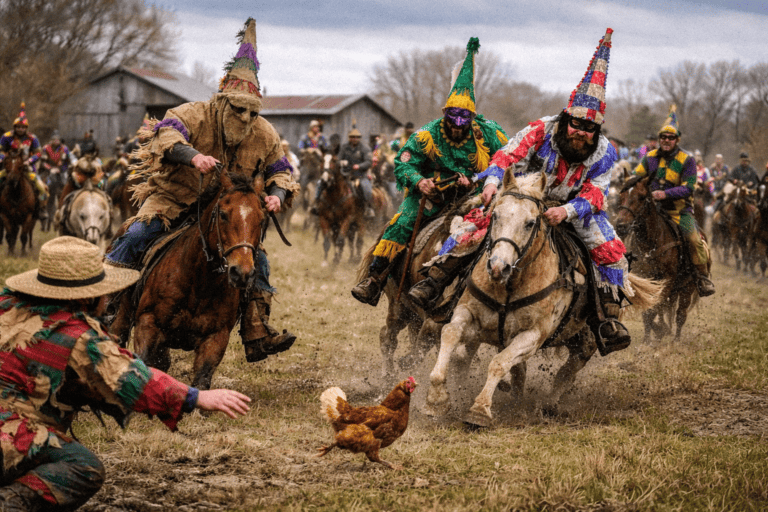
Courir de Mardi Gras: Louisiana’s Rural Mardi Gras Tradition
Discover the music, costumes, and community traditions behind Cajun Country’s older Mardi Gras celebration.
Exploring New Orleans: Must-See Spots and Things to Do
Visit the neighborhoods, music venues, restaurants, and landmarks that shaped New Orleans culture.
Final Thoughts
Louisiana music tells the story of the people who created it. Cajun music carries the memory of exile and survival. Zydeco celebrates Creole strength, rhythm, and joy. Jazz captures the spirit of New Orleans and changed the world.
Today, these sounds continue to shape Louisiana culture. They live in dance halls, festivals, second lines, family gatherings, and small-town celebrations. More than entertainment, they connect Louisiana’s past to its present and keep the state’s stories moving forward.