The History of the Zulu Parade: New Orleans Mardi Gras Tradition
The Zulu Parade is one of the most iconic and beloved traditions of New Orleans Mardi Gras, drawing thousands of spectators each year with its colorful floats, coconut throws, and rich cultural heritage. Organized by the historic Zulu Social Aid & Pleasure Club, the parade traces its roots back to 1909 and has become a powerful symbol of African American history, community, and celebration in Louisiana. What began as a small social organization evolved into one of Mardi Gras’ most recognizable events, blending humor, pageantry, and tradition into a uniquely New Orleans experience. In this guide, we’ll explore the fascinating history of the Zulu Parade, how it became a Mardi Gras institution, and why it remains one of the most anticipated celebrations in the city today.
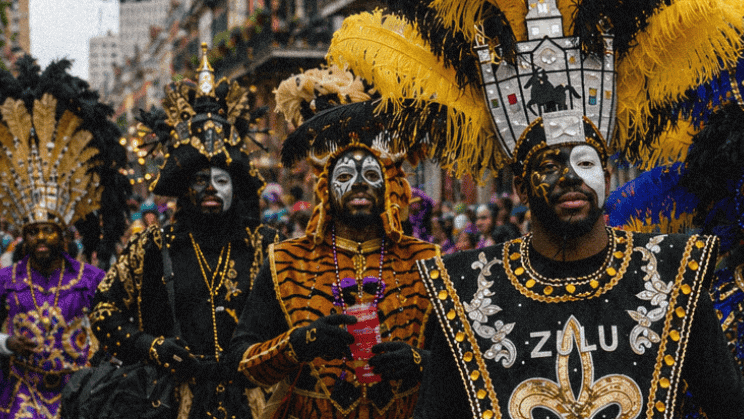
Origins of the Zulu Parade
The Zulu Parade is organized by the Zulu Social Aid & Pleasure Club, a historic New Orleans organization founded in 1909. At the time, Social Aid & Pleasure Clubs played an essential role in Black communities by providing financial assistance, funeral benefits, and social support when segregation limited access to many public services.
From the beginning, Zulu served as both a mutual aid society and a cultural organization. As a result, the club blended music, humor, pageantry, and community pride into what would become one of Mardi Gras’ most beloved traditions.
Why Social Aid & Pleasure Clubs Were Important
Throughout New Orleans, Social Aid & Pleasure Clubs helped strengthen neighborhoods and preserve cultural traditions.
These organizations often provided:
- Financial assistance for members
- Funeral and burial support
- Community gatherings
- Cultural celebrations
- Local leadership and service
Because of their impact, these clubs became an important part of New Orleans history and helped shape the city’s unique culture.
Zulu and Early Mardi Gras Traditions
In the early 1900s, Mardi Gras celebrations remained largely segregated. Consequently, Zulu created an opportunity for Black New Orleanians to celebrate Carnival on their own terms while building traditions that reflected their community and experiences.
Early Zulu parades drew inspiration from popular stage performances of the era. However, as the organization evolved, members transformed those influences into expressions of cultural pride, resilience, and self-determination.
Over time, Zulu grew into a respected symbol of community strength and became one of the most influential organizations in Mardi Gras history.
Why Zulu Coconuts Are So Famous
Few Mardi Gras throws are more iconic than the Zulu coconut.
Unlike traditional beads, Zulu coconuts are handcrafted keepsakes that many parade-goers spend years hoping to catch.
The Tradition of the Decorated Coconut
Zulu coconuts are:
- Hand-painted and decorated
- Often signed by riders
- Individually designed
- Highly collectible
- Unique pieces of Mardi Gras artwork
Because coconuts are heavier than most parade throws, riders distribute them carefully rather than tossing them into large crowds.
Why People Treasure Them
For many locals, catching a Zulu coconut is a true Mardi Gras achievement.
Originally, riders painted coconuts in simple gold and silver colors. Today, artists create elaborate designs featuring glitter, artwork, Louisiana themes, and personal touches that make each coconut one of a kind.
Many families proudly display their coconuts for years as reminders of memorable Mardi Gras celebrations.
Zulu on Mardi Gras Morning
The Zulu Parade traditionally rolls early on Mardi Gras Day, making it one of the first major parades of the celebration.
As a result, thousands of spectators arrive before sunrise to claim a good viewing spot and experience one of New Orleans’ most cherished traditions.
The Mardi Gras Morning Experience
For many Louisianians, Mardi Gras Day officially begins when Zulu takes to the streets.
The parade route winds through historic New Orleans neighborhoods before ending near the Central Business District. Along the way, spectators enjoy marching bands, colorful floats, dancing groups, and the unmistakable energy that defines Carnival season.
Meanwhile, the excitement generated by Zulu helps set the tone for the rest of Mardi Gras Day.
Zulu Royalty and Tradition
Each year, the organization selects a King Zulu and royal court to represent the club throughout Carnival season.
The Honor of Being King Zulu
Serving as King Zulu is considered one of the highest honors in New Orleans Mardi Gras culture.
Over the years, respected musicians, athletes, business leaders, and community advocates have proudly held the title. Consequently, the role carries significance far beyond parade day itself.
The royal court helps represent the values, traditions, and history that the organization has preserved for more than a century.
Zulu’s Role in Black Mardi Gras Culture
Zulu remains a cornerstone of Black Mardi Gras traditions and continues to play an important role in preserving New Orleans culture.
For more than 100 years, the organization has celebrated community leadership while creating opportunities for service, education, and cultural expression.
What Zulu Represents
The organization continues to symbolize:
- Cultural pride
- Community service
- Mutual aid
- Artistic expression
- Historical preservation
- Mardi Gras tradition
More importantly, Zulu demonstrates how Mardi Gras reflects the diverse communities that helped shape Louisiana’s identity.
Zulu Today: Tradition Meets the Future
Today, the Zulu Social Aid & Pleasure Club remains active throughout the year.
In addition to organizing one of Mardi Gras’ most famous parades, the club supports scholarships, charitable initiatives, youth programs, and community outreach efforts across New Orleans.
Preserving Tradition for Future Generations
Visitors now travel from around the world to experience the Zulu Parade.
Even so, the organization remains deeply connected to its New Orleans roots. By balancing tradition with progress, Zulu continues to honor its history while helping future generations understand its cultural significance.
Why the Zulu Parade Matters in Louisiana History
The history of the Zulu Parade reflects the history of New Orleans itself. It tells a story of resilience, creativity, community pride, and cultural preservation.
While many visitors know Mardi Gras for its costumes, beads, and celebrations, Zulu reminds us that the holiday also carries deep historical meaning. For countless Louisianians, Mardi Gras Day simply doesn’t feel complete until Zulu rolls.
Frequently Asked Questions
What is the Zulu Parade?
The Zulu Parade is a historic Mardi Gras parade organized by the Zulu Social Aid & Pleasure Club and held annually on Mardi Gras Day in New Orleans.
When was the Zulu Social Aid & Pleasure Club founded?
The organization was founded in 1909 and remains one of the oldest and most influential Black Mardi Gras organizations in Louisiana.
Why are Zulu coconuts so famous?
Zulu coconuts are hand-decorated collectibles that many people consider the most prized throws in all of Mardi Gras.
When does the Zulu Parade roll?
The parade traditionally begins early on Mardi Gras morning and serves as one of the first major events of the day.
Can visitors attend the Zulu Parade?
Yes. The parade is free and open to the public, attracting both Louisiana locals and visitors from around the world each year.
Related Articles
- Best Mardi Gras Parades in Louisiana – Explore the biggest and most iconic parades across Louisiana during Carnival season.
- What Is the Courir de Mardi Gras? – Learn about one of Louisiana’s oldest and most unique Mardi Gras traditions.
- French Quarter Festival Guide – Discover one of New Orleans’ most popular free music and food festivals.
- Exploring New Orleans: Must-See Attractions – Plan your trip with historic landmarks, food, music, and cultural highlights.
Final Thoughts
More than a century after its founding, the Zulu Parade remains one of Louisiana’s most meaningful Mardi Gras traditions. Through community service, cultural preservation, and celebration, the Zulu Social Aid & Pleasure Club continues to honor its history while helping shape the future of Carnival.
Whether you’re hoping to catch a famous coconut or simply experience an authentic New Orleans tradition, Zulu offers a glimpse into the heart and soul of Louisiana culture.