The History of Gumbo: Origins and How to Make Authentic Gumbo
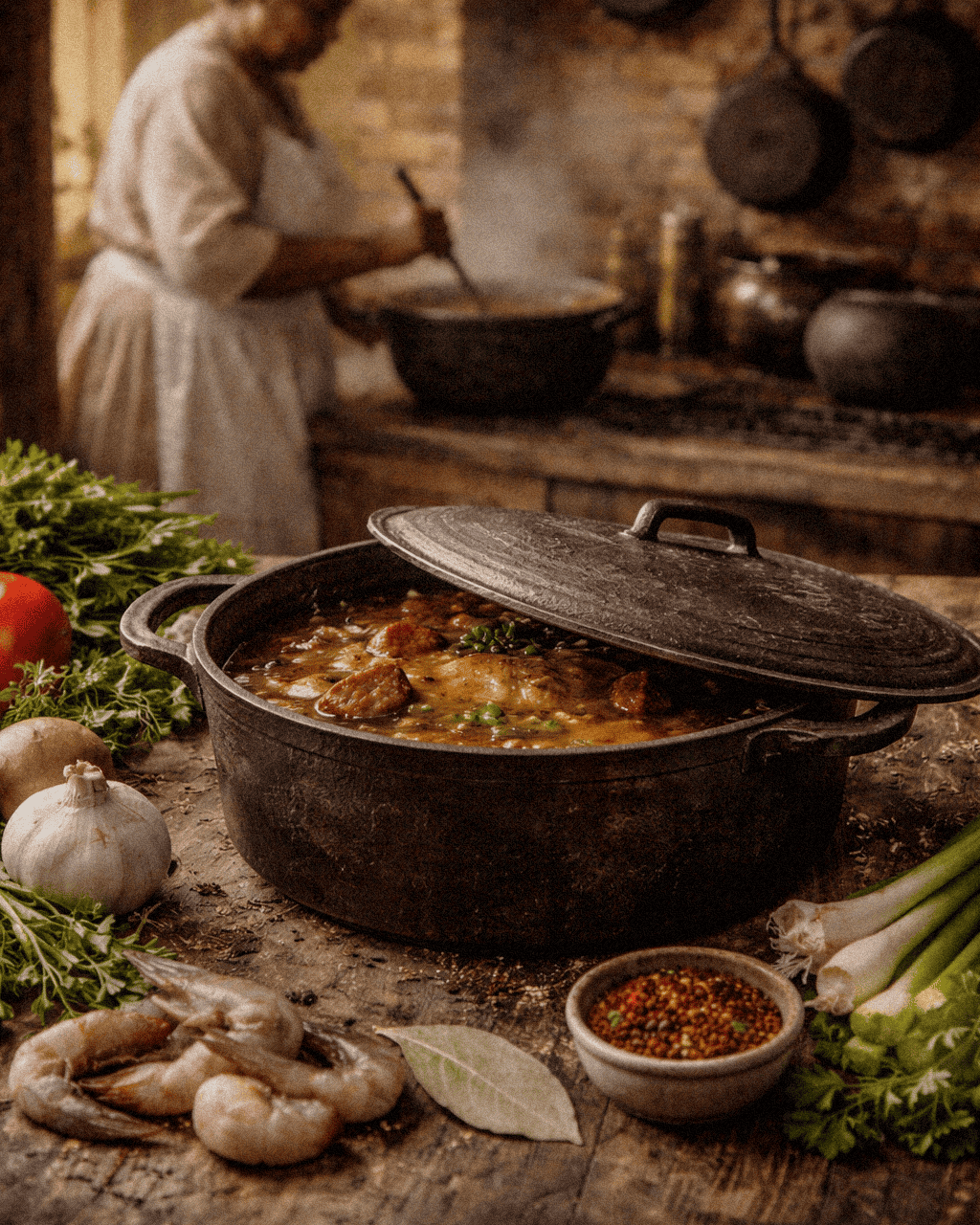
Few dishes are as closely connected to Louisiana culture as gumbo. Rich, hearty, and packed with flavor, gumbo represents centuries of history and the blending of cultures that helped shape Louisiana into what it is today. Influenced by African, French, Spanish, Native American, and Caribbean traditions, gumbo evolved from a simple stew into one of the most iconic dishes in Southern cuisine. From dark roux-based Cajun gumbos to seafood-filled Creole versions, every bowl tells a story of the people, ingredients, and traditions that came together along the Gulf Coast.
In this guide, we’ll explore the fascinating history of gumbo, including its origins, cultural influences, and how the dish changed over time. You’ll learn where the name “gumbo” comes from, the role of ingredients like okra, filé powder, and roux, and why gumbo remains a centerpiece of Louisiana gatherings, celebrations, and family traditions. Whether you’re a lifelong Louisiana resident or simply a fan of Cajun and Creole cooking, understanding the history of gumbo offers a deeper appreciation for one of America’s most beloved comfort foods.
The History of Gumbo: How Louisiana’s Signature Dish Was Born
Few dishes represent Louisiana quite like gumbo. Rich, hearty, and packed with layers of flavor, gumbo is more than just a meal—it’s a reflection of the state’s history and the many cultures that helped shape it. Over the centuries, African, French, Spanish, and Native American traditions blended together to create one of the most iconic dishes in American cuisine. Whether served at a family gathering, holiday celebration, or neighborhood cook-off, gumbo continues to bring people together around the table.
Where Did Gumbo Originate?
Gumbo originated in Louisiana during the 18th century and evolved through the blending of multiple cultures that helped shape the state’s food traditions.
The dish reflects influences from:
- West African cooking
- French culinary techniques
- Spanish ingredients and traditions
- Native American foodways
Rather than belonging to a single culture, gumbo became a uniquely Louisiana creation that brought all of these influences together.
African Influence
The word gumbo is believed to come from the West African word ki ngombo, meaning okra. Enslaved Africans brought okra to Louisiana, where it became one of the earliest ingredients used to thicken gumbo.
French Influence
French settlers introduced roux, the cooked mixture of flour and fat that remains the foundation of many gumbo recipes today.
Spanish Influence
Spanish colonists helped popularize rice and contributed cooking traditions that influenced Louisiana cuisine.
Native American Influence
The Choctaw people introduced filé powder, made from ground sassafras leaves, which became another traditional thickening method.
Gumbo is truly Louisiana history in a bowl.
The Two Main Styles of Gumbo
While countless variations exist, most gumbo falls into two primary categories.
Cajun Gumbo
Typically found in rural South Louisiana, Cajun gumbo is known for:
- Dark roux
- No tomatoes
- Bold, smoky flavors
- Chicken, sausage, duck, or wild game
- Rich, hearty texture
Creole Gumbo
More commonly associated with New Orleans, Creole gumbo often includes:
- Tomatoes
- Seafood
- Lighter roux
- Additional herbs
- European influences
Both styles are authentic Louisiana gumbo and remain popular throughout the state.
Popular Types of Gumbo
Some of the most common gumbo varieties include:
- Chicken and sausage gumbo
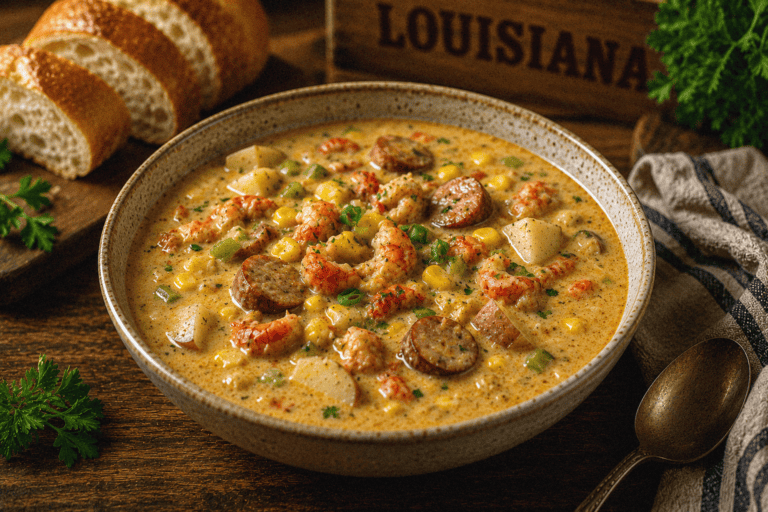
- Seafood gumbo
- Duck or wild game gumbo
- Okra gumbo
- Filé gumbo
Each version reflects the ingredients available in different regions of Louisiana while staying true to the traditions that make gumbo unique.
How to Make Authentic Louisiana Gumbo
Great gumbo is built in layers. Every step contributes flavor to the finished dish.
Step 1: Make the Roux
The roux serves as the foundation of most Cajun gumbo recipes.
Basic roux formula:
- Equal parts flour and oil
- Cooked slowly over medium heat
- Stirred constantly
- Cooked until brown or dark chocolate colored
A darker roux creates deeper flavor but provides less thickening power.
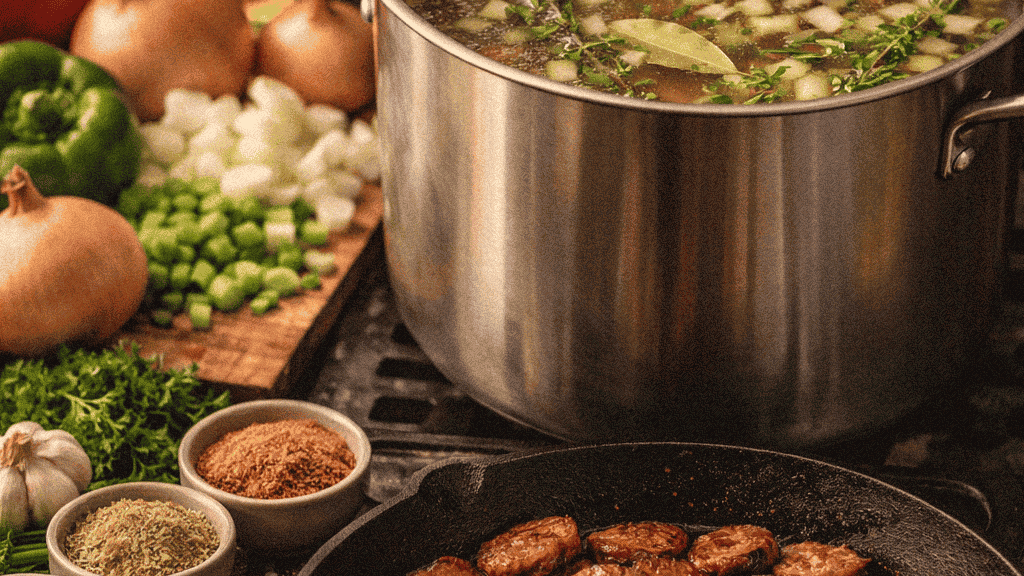
Step 2: Add the Holy Trinity
Once the roux reaches the desired color, add:
- Onion
- Bell pepper
- Celery
This stops the roux from darkening and begins building the flavor base.
Garlic is typically added shortly afterward.
Step 3: Build the Stock
Stock is one of the most important ingredients in gumbo.
Choose a stock that matches your protein:
- Chicken stock for chicken gumbo
- Seafood stock for seafood gumbo
- Game stock for duck or wild game gumbo
Strong stock creates strong flavor.
Step 4: Add the Proteins
Timing matters when adding proteins.
Best practices include:
- Brown sausage first
- Sear chicken before simmering
- Add seafood near the end
- Avoid overcooking delicate ingredients
How to Build Deep Gumbo Flavor
The best gumbo recipes rely on patience and technique.
Flavor-building tips include:
- Brown meats before adding stock
- Develop the roux fully
- Use quality andouille sausage
- Simmer slowly
- Taste and adjust gradually
- Let gumbo rest before serving
Many Louisiana cooks believe gumbo tastes even better the next day after the flavors have had time to come together.
Essential Gumbo Seasonings
Traditional gumbo seasoning is simple and balanced.
Common seasonings include:
- Salt
- Black pepper
- Cayenne pepper
- Bay leaves
- Thyme
- Garlic
Some cooks also add:
- Paprika
- White pepper
- Cajun seasoning blends
The goal is to enhance the stock and roux rather than overpower them.
Traditional Gumbo Thickening Methods
Louisiana gumbo traditionally uses one or more of these thickening methods.
Roux
The most common thickener in Cajun gumbo, adding both body and deep toasted flavor.
Okra
Provides natural thickening while contributing its own distinctive flavor.
Filé Powder
Ground sassafras leaves added near the end of cooking for an earthy flavor and silky texture.
Avoid boiling filé powder, as excessive heat can make the gumbo stringy.
Common Gumbo Mistakes
Avoid these common mistakes that can affect the finished dish:
- Burning the roux
- Cooking over excessive heat
- Adding seafood too early
- Overseasoning too soon
- Using weak stock
- Rushing the cooking process
Patience remains one of the most important ingredients in authentic Louisiana gumbo.
Why Gumbo Represents Louisiana
Few dishes tell the story of Louisiana better than gumbo.
It represents:
- African heritage
- French cooking techniques
- Spanish influence
- Native American traditions
- Generations of Louisiana families
From Mardi Gras celebrations to Sunday family dinners, gumbo continues to bring people together around the table.
Gumbo Tips
- Use homemade stock whenever possible.
- Cook the roux slowly.
- Brown sausage before building the gumbo.
- Add seafood near the end of cooking.
- Taste throughout the cooking process.
- Let leftovers rest overnight.
- Serve with rice and French bread.
Frequently Asked Questions
What is the difference between Cajun and Creole gumbo? Cajun gumbo typically uses a dark roux and no tomatoes, while Creole gumbo often includes tomatoes, seafood, and a lighter roux.
What are the three traditional gumbo thickeners? Roux, okra, and filé powder are the three traditional methods used to thicken gumbo.
What is the best sausage for gumbo? Authentic andouille sausage is the most commonly used sausage because of its smoky flavor and Cajun character.
Why does gumbo taste better the next day? Allowing gumbo to rest overnight gives the ingredients more time to blend together and develop deeper flavor.
Related Articles
The Art of Making Roux – Learn the foundation of gumbo and many other Louisiana dishes.
Chicken and Sausage Gumbo Recipe – A classic Cajun gumbo built on a rich dark roux with chicken and smoked sausage.
Louisiana Seafood Gumbo Recipe – Discover how to make a Gulf Coast favorite loaded with shrimp, crab, and seafood stock.
What Is the Holy Trinity in Louisiana Cooking? – Learn about the vegetable base that forms the backbone of countless Cajun and Creole recipes.
How to Build Deep, Authentic Flavor in Louisiana Jambalaya – Explore the techniques that create rich Louisiana flavor through proper browning, layering, and seasoning.
Final Thoughts
The history of gumbo is the history of Louisiana itself. Influenced by African, French, Spanish, and Native American cultures, gumbo has evolved into one of the South’s most beloved dishes while remaining deeply rooted in tradition. Whether you prefer Cajun or Creole, seafood or sausage, every great pot begins with quality ingredients, patience, and respect for the techniques that have been passed down for generations. Master those fundamentals, and you’ll be cooking a bowl of gumbo that truly captures the spirit of Louisiana.