Culling Bucks on Free-Range Property: Does It Really Work?
For years, hunters and land managers have debated whether harvesting inferior bucks can improve the genetics of free-range whitetail deer populations. Known as “culling,” the practice is based on the belief that removing bucks with undesirable antler traits will result in larger, healthier deer over time. While the idea sounds logical, modern wildlife research has challenged many of the assumptions behind culling in wild deer herds. Factors such as habitat quality, nutrition, age structure, and natural breeding behavior often play a much larger role in antler development than genetics alone. In this article, we’ll explore the science behind buck genetics, examine what research says about culling free-range whitetails, and separate fact from fiction when it comes to managing deer for trophy potential.
Why the Buck Culling Debate Matters
Few topics in deer management create more debate than buck culling. For decades, hunters have argued that harvesting smaller-antlered bucks improves genetics and leads to bigger deer in the future. While that idea sounds logical on the surface, research and real-world experience on free-range land tell a different story.
In Louisiana and other states, most hunters pursue deer on open properties where whitetails move freely across multiple tracts of land. Because of that, managing genetics becomes far more complicated than simply choosing which buck to harvest.
Understanding what actually influences antler growth can help hunters make better management decisions and produce healthier deer herds over the long term.
What Is Buck Culling?
The Basic Idea
Buck culling typically means harvesting bucks with smaller antlers or undesirable characteristics before they reach maturity.
The goal is to:
- Remove poor genetics
- Improve future antler quality
- Increase the number of trophy-class bucks
- Strengthen the overall herd
While this strategy may work under highly controlled conditions, many hunters misunderstand how difficult it is to influence genetics on free-range land.
The Reality of Free-Range Deer
Many hunters believe culling smaller-antlered bucks will improve the genetics of a free-range herd, but the science doesn’t support it. Every fawn inherits half of its genetics from a doe, and because you can’t selectively cull does based on genetics, it’s nearly impossible to change a free-ranging herd through buck harvest alone. Many bucks with small antlers are simply young, recovering from poor nutrition, or living in areas with lower-quality habitat—not genetically inferior. Focusing on quality habitat, good nutrition, balanced doe harvests, and allowing bucks to reach maturity will have a much greater impact on producing healthier deer and larger antlers than attempting to cull bucks for genetics.
The Biggest Reason Why Culling Won’t Work (You can’t cull a Doe)
Female Deer Influence Half the Herd’s Genetics, Sometimes More Than Half
One of the biggest flaws in the idea of culling bucks for genetics is that every fawn receives half or more of its genetics from its mother. There is no practical way to identify which does carry the traits you want or don’t want, so selectively removing does to improve genetics simply isn’t possible on free-range deer. As long as the doe population continues contributing half of the genetic makeup of every new fawn, trying to improve a herd’s genetics by harvesting certain bucks alone has very little impact. Instead, focusing on habitat, nutrition, and allowing bucks to mature will produce far better results.
What Works Better Than Culling
Instead of trying to cull bucks for genetics, focus on the factors you can actually control. The biggest keys to growing mature, heavy-antlered bucks are improving habitat, providing year-round nutrition through quality native browse and food plots, maintaining a balanced buck-to-doe ratio, reducing hunting pressure, and allowing young bucks to reach older age classes. Most bucks don’t reach their full antler potential until they are 4½ to 6½ years old. By giving deer the nutrition, security, and time they need to mature, you’ll have a much greater impact on producing trophy-class bucks than attempting to remove so-called “inferior” deer.
Allow Bucks to Reach Maturity
The simplest management strategy often produces the best results.
By allowing young bucks to mature, hunters can:
- Improve age structure
- Increase average antler size
- Create more breeding competition
- Grow more mature deer
In many cases, patience delivers better results than aggressive harvesting.
Manage Does Responsibly
A balanced deer herd benefits every animal on the property.
Strategic doe harvest can:
- Reduce food competition
- Improve body weights
- Increase fawn survival
- Enhance overall herd health
As a result, bucks gain access to more nutrition and resources.
Improve Habitat Quality
Habitat management consistently outperforms genetic management on free-range land.
Important improvements include:
- Food plots
- Native browse enhancement
- Timber management
- Summer nutrition during antler growth
- Bedding cover improvements
- Water availability
Simply put, healthy habitat grows healthier deer.
Creating Better Habitat Is the Biggest Factor
If your goal is to grow bigger bucks, improving habitat will do far more than trying to cull deer for genetics. High-quality habitat provides year-round nutrition, cover, and security, allowing bucks to reach their full genetic potential. Managing native browse, creating diverse food plots, improving bedding cover, reducing stress, and giving bucks the opportunity to mature are the biggest factors behind producing larger antlers and healthier deer. No amount of culling can overcome poor habitat, but great habitat can dramatically improve the quality of every deer on your property.
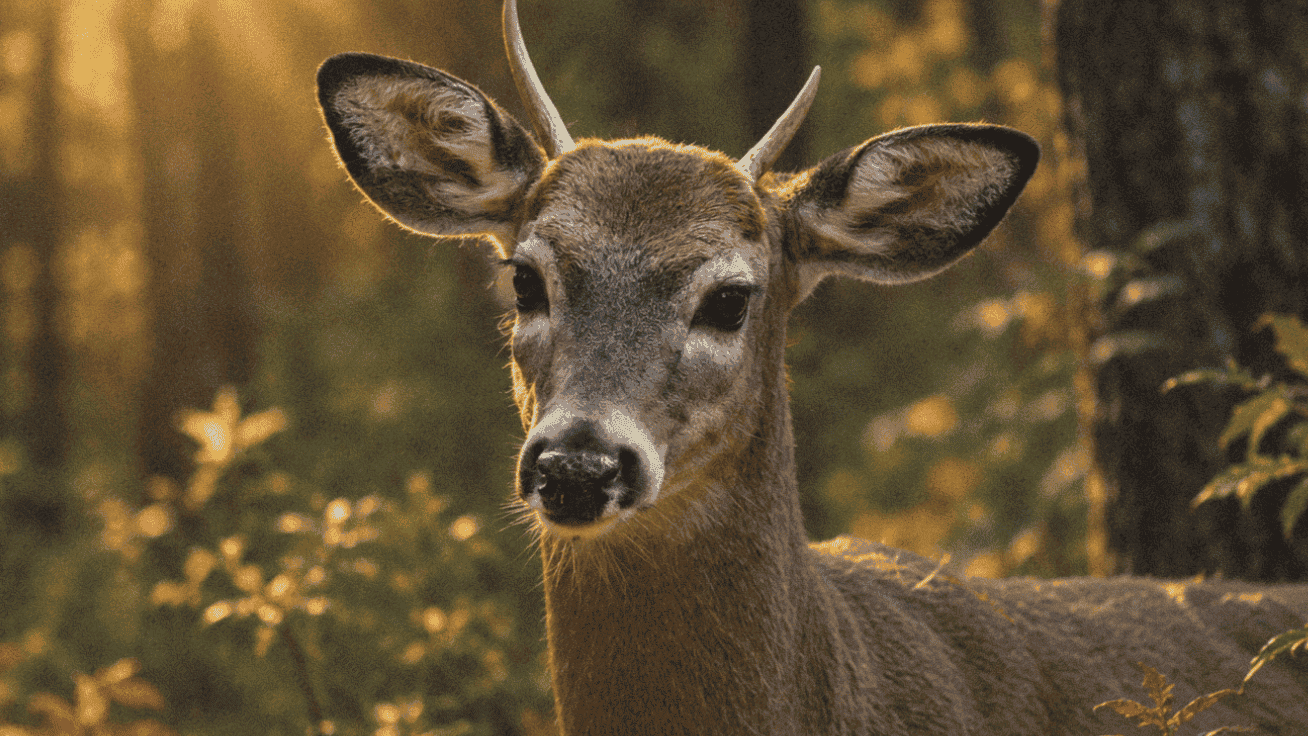
It’s also important to remember that not every buck with small antlers has poor genetics. Some bucks simply grow smaller antlers because they are young, experienced poor nutrition during critical growth years, faced disease or injury, or lived in areas with lower-quality habitat. If you harvest these deer believing you’re removing inferior genetics, you may actually be taking bucks with excellent genetic potential before they’ve had the chance to express it. Improving nutrition and habitat often allows these same deer to develop much larger antlers as they mature, making habitat management a far more effective strategy than culling.
The Importance of Summer Nutrition
Summer is one of the most critical times of the year for growing big-antlered bucks because this is when antlers are developing at their fastest rate. Bucks require large amounts of protein, energy, and essential minerals to build antlers while also maintaining body weight. Providing abundant native browse, high-protein summer food plots, and supplemental feed where legal can help deer reach their full genetic potential. Even bucks with excellent genetics cannot produce maximum antler growth if they lack proper nutrition during the summer months. Consistent access to quality food throughout the growing season is one of the biggest factors in producing larger, healthier bucks year after year.
What Research Says About Antler Growth
Studies across the South consistently show that nutrition and age drive antler development more than selective harvest programs.
In fact, many wildlife biologists agree that:
- Most bucks possess adequate genetic potential
- Poor nutrition limits growth more than genetics
- Mature bucks produce larger antlers regardless of genetics
- Habitat improvements often generate the biggest gains
Because of these findings, many modern management programs prioritize habitat and age structure over culling.
So, Does Buck Culling Work?
For most hunters, the answer is no.
On free-range land:
- Culling rarely changes genetics
- Age structure matters more
- Nutrition matters more
- Habitat matters more
- Herd balance matters more
Instead of focusing on removing supposedly inferior bucks, hunters often see better results by allowing deer to mature and improving the habitat around them.
Real Deer Management, Louisiana Style
Successful deer management isn’t about shortcuts. Instead, it requires patience, consistency, and a long-term commitment to the herd.
Across Louisiana, the formula remains remarkably simple:
- Let young bucks grow
- Manage does responsibly
- Improve habitat
- Plant summer plots
- Reduce pressure
- Focus on herd health
When those pieces come together, bigger and healthier bucks usually follow.
Frequently Asked Questions
Does culling improve deer genetics?
On most free-range properties, culling has little impact on genetics because deer move freely and breed across multiple properties.
What affects antler growth the most?
Age, nutrition, habitat quality, and herd balance generally have a greater impact than genetics.
Should I shoot a small-antlered buck?
That depends on your management goals. However, many small-antlered bucks are simply young deer that have not reached maturity.
Can you identify bad genetics by looking at a buck?
Not reliably. Antler size alone does not reveal a deer’s genetic potential.
What is the best way to grow bigger bucks?
Improve habitat, maintain proper herd balance, plant summer plots, reduce pressure, and allow bucks to reach older age classes.
Related Articles
Louisiana Public Land Duck Hunting Guide – Explore hunting strategies, migration patterns, and public land opportunities across Louisiana.
Louisiana Is the True Sportsman’s Paradise – Discover why Louisiana offers some of the best hunting, fishing, and outdoor opportunities in the country.
Spring Bass Fishing on Toledo Bend – Find proven tactics, locations, and seasonal patterns for catching more bass on one of the South’s premier fisheries.
Guide to Exploring the Louisiana Swamps – Experience the wildlife, culture, and natural beauty that make Louisiana’s wetlands unique.
Final Thoughts
The idea of culling bucks to improve genetics has persisted for years, but most free-range hunters simply don’t control enough land to influence genetics in a meaningful way. Instead, focusing on age structure, habitat quality, nutrition, and responsible harvest practices consistently produces better results. When hunters give deer time to mature and provide the resources they need to thrive, the entire herd benefits—and bigger bucks often become a natural result.