Spring Bass Fishing on Toledo Bend for 2026: Tips & Tactics
Spring is one of the most exciting times of the year for bass fishing on Toledo Bend Reservoir. As water temperatures rise and largemouth bass move shallow to feed and spawn, anglers have some of their best opportunities to catch both numbers and trophy-sized fish. Stretching along the Louisiana-Texas border, Toledo Bend is consistently ranked among the top bass fishing lakes in the country thanks to its abundant habitat, healthy fish population, and proven record of producing double-digit bass. In this guide, we’ll cover the best spring bass fishing patterns, productive lures, key locations, and expert tips to help you make the most of your next trip to Toledo Bend during the peak fishing season.
Why Spring Is Prime Time on Toledo Bend
Every spring, Toledo Bend transforms into one of the best bass fishing destinations in the South. As water temperatures climb into the 55–70°F range, largemouth bass move from deeper winter areas toward shallow spawning habitat.
During this seasonal transition, bass feed aggressively and position in predictable locations. Because of that, anglers can target fish more effectively than during many other times of the year.
In spring, bass typically:
- Move from deep winter structure toward shallow flats
- Stage near creek mouths, drains, and points
- Feed heavily before spawning
- Build beds around grass lines, cypress trees, and protected pockets
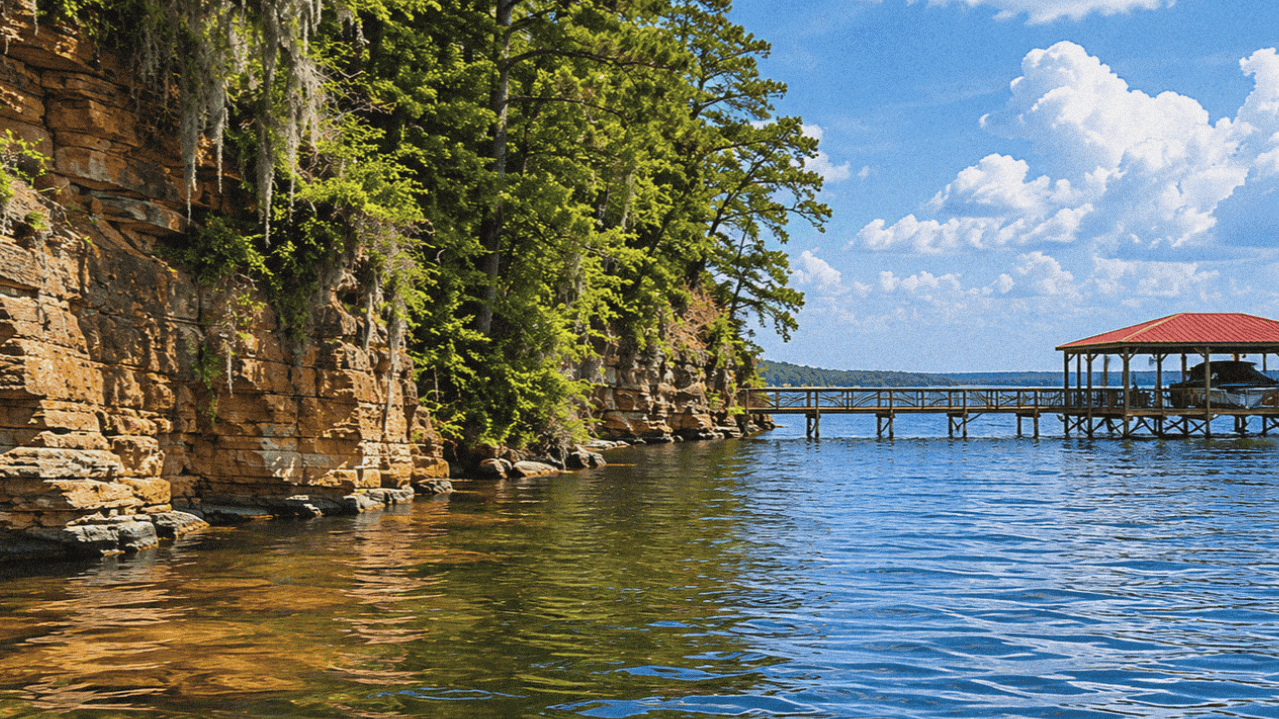
With miles of shoreline, flooded timber, hydrilla beds, and creek channels, Toledo Bend provides ideal habitat for both spawning and feeding fish.
Best Areas to Fish During Spring
Housen Bay
Housen Bay consistently produces quality bass during both the prespawn and spawning periods. Early in the day, focus on moving baits around secondary points and grass edges. Later, slow down and work soft plastics through likely bedding areas.
Key targets include:
- Secondary points
- Creek drains
- Grass edges
- Protected spawning pockets
Six Mile Creek
Many experienced anglers consider Six Mile Creek one of the lake’s most productive spring fishing areas.
Because slightly stained water warms faster, bass often move shallow here earlier than in other parts of the reservoir.
Focus on:
- Creek channel swings
- Flooded bushes
- Standing timber
- Staging areas near spawning flats
San Miguel and Indian Mounds
The northern portion of Toledo Bend often warms first during early spring.
As a result, bass frequently move into shallow coves and protected flats before fish in other sections of the lake.
Look for:
- Cypress tree lines
- Shallow spawning flats
- Protected coves
- Nearby drop-offs
If water temperatures remain cool, back out into 8–12 feet of water and fish slower presentations.
Main Lake Points
Main lake points serve as major travel routes for prespawn bass.
Before fish move into spawning pockets, they often stop along these structures to feed and stage.
Focus on:
- Points leading into spawning bays
- Wind-blown banks
- Nearby creek channel intersections
These areas often produce excellent action during low-light periods.
Spring Bass Fishing Tactics That Consistently Produce
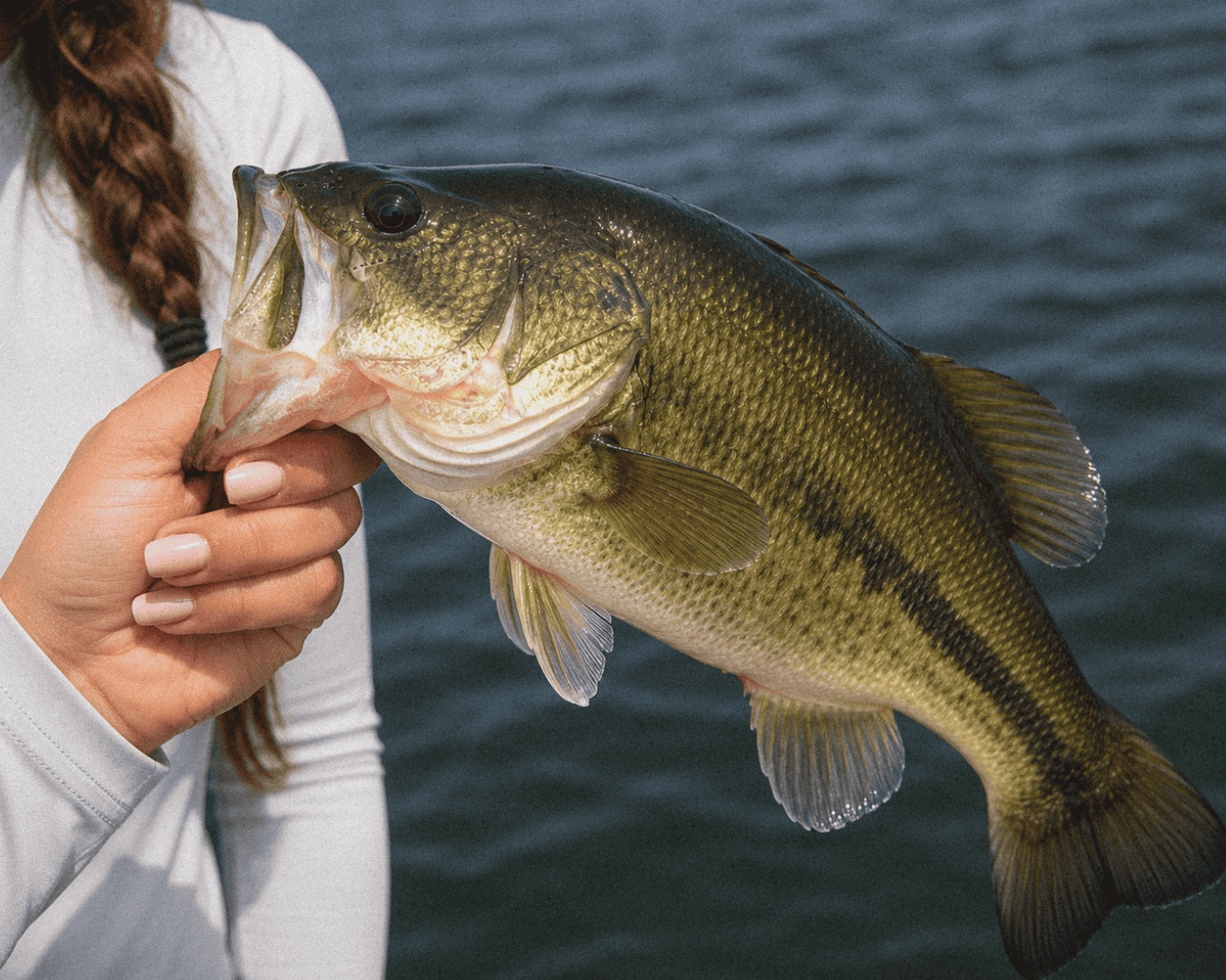
Spring is one of the best times of year to catch trophy largemouth bass on Toledo Bend as fish move shallow to spawn. Focus on grass lines, flooded bushes, creek channels, and spawning flats where bass stage before and after the spawn. Soft plastics like Texas-rigged worms, creature baits, and lizards are excellent choices for targeting bedding fish, while spinnerbaits, chatterbaits, and squarebill crankbaits help cover water when bass are actively feeding. Early mornings can also produce explosive topwater bites around shallow vegetation. Pay close attention to water temperature, as bass behavior changes quickly throughout the spring, and adjusting your presentation can make all the difference.
Cover Water Early
During cloudy conditions or early mornings, moving baits help locate active fish quickly.
Effective spring lures include:
- Spinnerbaits
- Chatterbaits
- Lipless crankbaits
- Jerkbaits
Because bass actively feed during this period, covering water can help you identify productive areas fast.
Slow Down Once You Find Fish
After locating bass, switch to slower presentations.
Productive options include:
- Texas-rigged creature baits
- Wacky-rigged stick worms
- Flipping jigs
- Soft plastic lizards
Additionally, don’t hesitate to pitch into thick cover. Toledo Bend bass often hold deep inside flooded vegetation and timber.
Locating Bass with Electronics
Modern fish finders have become one of the most valuable tools for locating bass, allowing anglers to spend less time searching and more time fishing. Traditional 2D sonar is great for identifying fish directly beneath the boat, while Side Imaging helps locate brush piles, stumps, grass edges, creek channels, and other cover extending hundreds of feet to each side. Down Imaging provides a clearer look at structure directly below the boat, making it easier to distinguish bass from baitfish. Forward-facing sonar allows anglers to watch fish in real time, track their movements, and even see how they react to a lure.
The key is using your electronics to find areas that naturally attract bass rather than simply looking for individual fish. Focus on points, drop-offs, submerged timber, grass lines, ledges, creek channels, and schools of baitfish. Once you locate productive structure, use GPS waypoints to mark it and return throughout the day. Electronics won’t catch fish for you, but when combined with seasonal knowledge and the right lure selection, they can dramatically increase your chances of consistently finding and catching bass.
Follow Water Temperature, Not the Calendar
Water temperature is one of the biggest factors influencing bass behavior throughout the year. As temperatures rise into the upper 50s and 60s, bass begin moving shallow to feed and prepare for the spawn. During the spawn, they often hold around beds in protected coves and flats before gradually moving back to deeper structure as the water warms into the 70s. In colder water, bass become less active and typically stay deeper, requiring slower presentations. Learning how bass react to changing water temperatures can help you choose the right locations, lures, and retrieve speeds, making you a more consistent angler in every season.
Many anglers focus too much on dates. However, water temperature usually tells the real story.
Mid-50s
- Bass stage near deeper structure
- Fish remain close to spawning areas
60–65°F
- Bass begin moving shallow
- Increased feeding activity
65–70°F and Above
- Peak spawning activity
- Fish concentrate around bedding habitat
Therefore, checking water temperature each trip can dramatically improve your success.
Don’t Ignore the Wind
Many anglers avoid windy banks. However, wind often improves fishing.
A steady breeze pushes baitfish toward shorelines, grass edges, and points. Consequently, bass frequently position nearby to feed.
Focus on:
- Wind-blown banks
- Grass lines receiving current
- Main lake points
- Secondary points near spawning areas
In many cases, windy water outproduces calm conditions during spring.
Recommended Toledo Bend Gear Setup
Having the right equipment helps when fishing heavy cover and large bass.
Recommended Setup
- Rod: 7’–7’6″ medium-heavy baitcasting rod
- Reel: High-quality baitcaster
- Line: 15–20 lb fluorocarbon
- Heavy Cover: 50 lb braid
- Electronics: Side imaging and mapping
Because Toledo Bend contains extensive submerged timber and brush, quality electronics provide a significant advantage.
Don’t Overlook Post-Spawn Bass
Many anglers focus exclusively on the spawn. However, post-spawn fishing can be just as productive.
After spawning, bass often move to nearby structure where they recover and feed.
Look around:
- Boat docks
- Brush piles
- Secondary points
- Areas adjacent to spawning flats
Early in the day, topwater lures can produce explosive strikes. Later, swimbaits and soft plastics often generate more consistent action.
A Louisiana Spring Tradition
For many Louisiana anglers, a spring trip to Toledo Bend ranks alongside crawfish boils and opening day of hunting season.
Some days the lake humbles even experienced fishermen. Other days, it produces the bass of a lifetime.
Either way, Toledo Bend continues to earn its reputation as one of the premier bass fisheries in America.
Spring Bass Fishing Tips
- Fish water temperature instead of calendar dates
- Focus on staging areas before the spawn
- Use moving baits early in the day
- Slow down once fish are located
- Target wind-blown structure
- Keep multiple bait styles rigged
- Don’t overlook post-spawn fish
- Use electronics to locate hidden structure
Frequently Asked Questions
When is the best month to bass fish Toledo Bend?
March, April, and early May typically provide the most consistent spring bass fishing opportunities.
What water temperature triggers the spawn?
Most largemouth bass begin spawning when water temperatures reach approximately 60–70°F.
What are the best spring lures for Toledo Bend?
Spinnerbaits, chatterbaits, jerkbaits, lipless crankbaits, Texas-rigged plastics, and jigs all perform well during spring.
Should I fish shallow or deep during spring?
That depends on water temperature. Prespawn fish often stage deeper, while spawning fish move into shallow flats and protected pockets.
Is post-spawn fishing worth targeting?
Absolutely. Many anglers leave after the spawn, creating less pressure and excellent fishing opportunities around nearby structure.
Related Articles
- Louisiana Coastal Cities Where Fishing and Cajun Culture Thrive – Explore some of the best fishing destinations along Louisiana’s coast.
- Spring Sac-a-Lait Fishing in Louisiana – Discover where to find crappie and how to catch them during the spring spawn.
- Exploring the Louisiana Swamps – Learn about the waterways, wildlife, and fishing opportunities hidden throughout Louisiana’s wetlands.
- Why Louisiana Is the True Sportsman’s Paradise – Discover what makes Louisiana one of America’s premier destinations for hunters and anglers.
Final Thoughts
Spring remains one of the best times of year to fish Toledo Bend. As bass move shallow and become more predictable, anglers gain opportunities to target both numbers and trophy-class fish. By following water temperatures, focusing on staging areas, and adjusting your presentation throughout the day, you’ll dramatically increase your chances of success on one of the South’s most legendary bass lakes.