How to Build Deep, Authentic Flavor in Louisiana Jambalaya
Anyone can follow a jambalaya recipe, but creating the deep, rich flavor found in the best Louisiana jambalayas requires understanding the techniques that Cajun cooks have relied on for generations. Great jambalaya isn’t built from a single ingredient—it’s the result of layering flavors throughout the cooking process. From properly browning meat and developing fond in the pot to balancing seasonings and allowing the rice to absorb every bit of flavor, each step plays a critical role in creating an authentic Louisiana jambalaya.
In this guide, we’ll break down the key techniques that separate an average jambalaya from an unforgettable one. You’ll learn how to build flavor from the very beginning, why browning matters, how to use the Holy Trinity effectively, and the importance of stock, seasoning, and cooking order. Whether you’re making chicken and sausage jambalaya, seafood jambalaya, or your own variation, these proven Louisiana cooking principles will help you create a deeper, richer, and more authentic jambalaya every time.
How to Build Better Flavor in Louisiana Jambalaya
Anyone can follow a jambalaya recipe. However, the difference between an average pot and an unforgettable one comes down to how you build flavor.
Authentic Louisiana jambalaya isn’t about adding more seasoning at the end. Instead, it’s about creating layers of flavor throughout the entire cooking process. From browning meat to resting the finished rice, every step matters.
Master these techniques and your jambalaya will taste like it came straight from a South Louisiana backyard cook.
Why Flavor Building Matters in Jambalaya
Jambalaya is a one-pot meal.
Because everything cooks together, each ingredient contributes to the final flavor. If one step is rushed, the entire dish suffers.
The best jambalaya develops flavor through:
- Proper browning
- The Holy Trinity
- Rich stock
- Layered seasoning
- Proper rice cooking
- Resting time
Together, these elements create the deep, rich flavor Louisiana jambalaya is known for.
Start with Browning: The Foundation of Flavor
The biggest mistake people make when cooking jambalaya is rushing the browning process.
This is where the flavor begins.
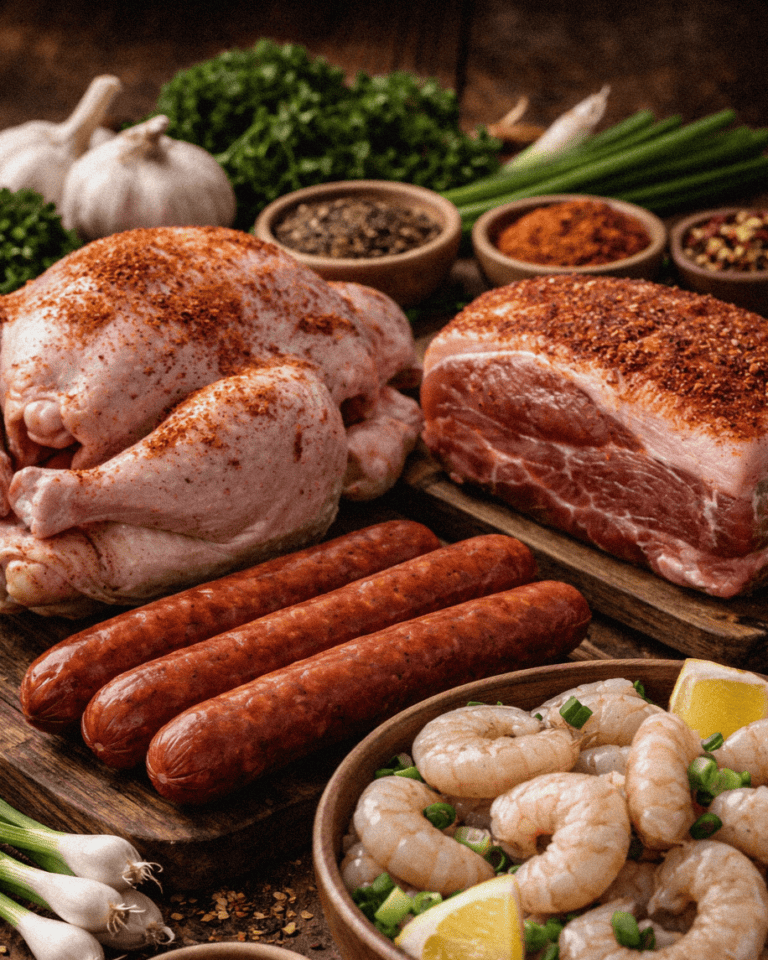
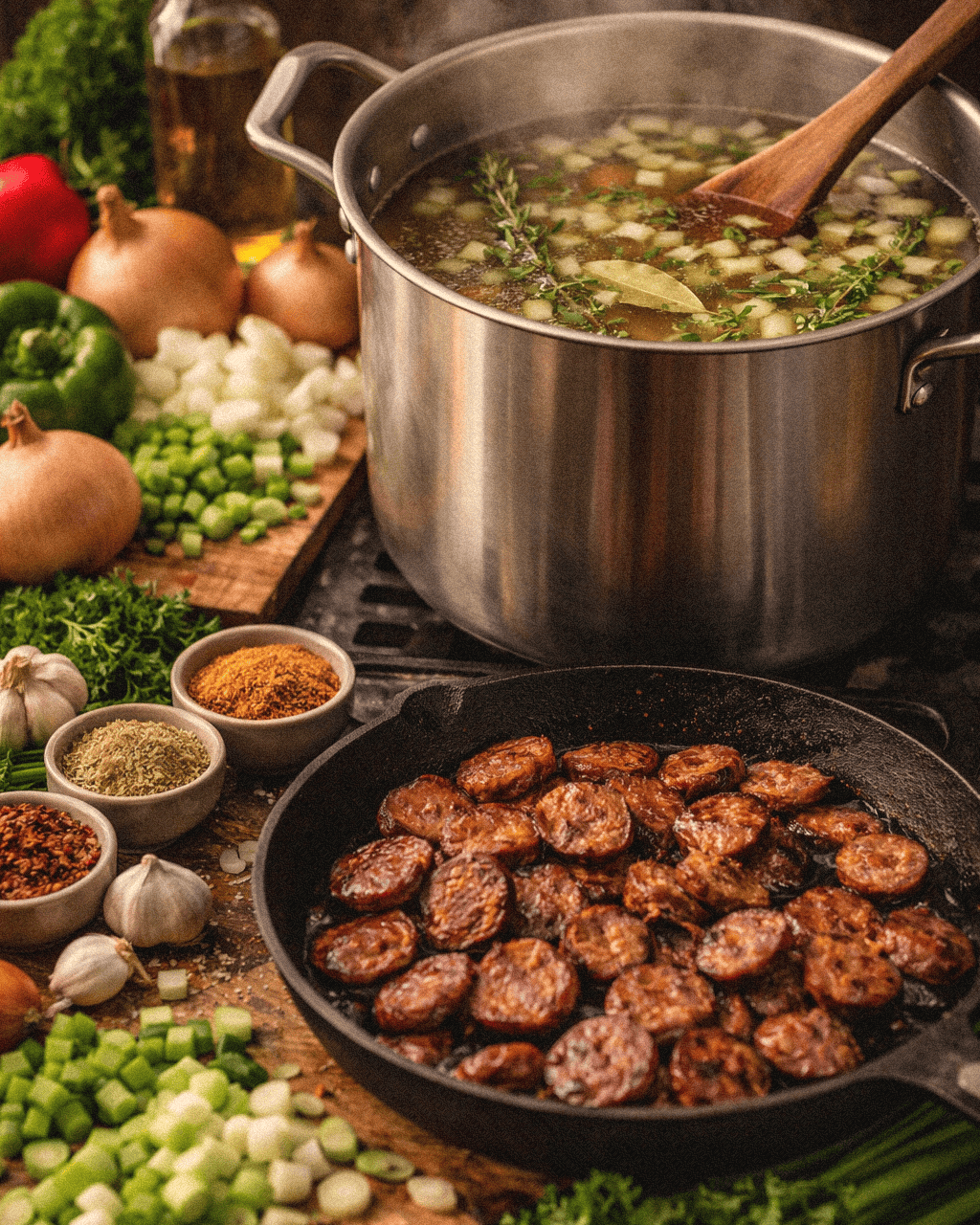
When chicken and sausage brown properly, they create flavorful bits on the bottom of the pot. Cajun cooks often call this “gratin,” and it’s one of the most important flavor components in the dish.
Use a Heavy Pot
A heavy-bottomed pot or cast iron Dutch oven provides the best results.
These pots hold heat evenly and promote better browning.
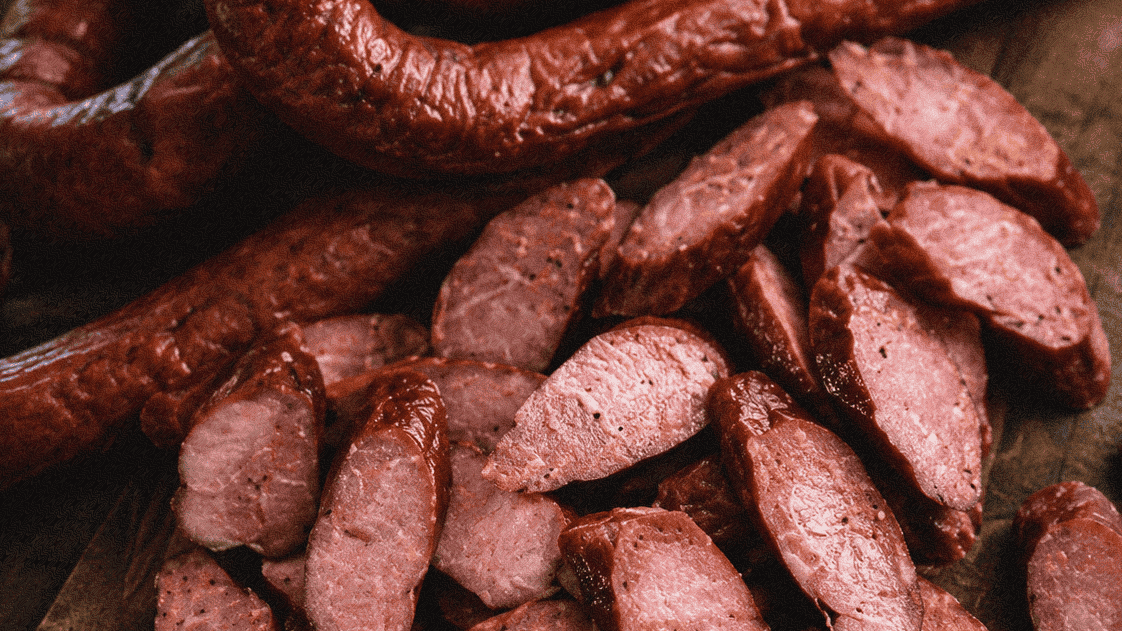
Brown the Sausage First
Start by browning the sausage.
As it cooks, it releases flavorful fat that becomes the foundation for the rest of the dish.
Brown the Chicken in the Same Pot
After removing the sausage, brown the chicken in the rendered fat.
This step builds even more flavor while keeping everything in one pot.
Don’t Stir Too Much
Let the meat sit long enough to develop color.
Constant stirring prevents proper browning.
Protect the Gratin
As flavor develops on the bottom of the pot, scrape occasionally to prevent burning.
Those browned bits are pure gold.
Build Flavor with the Holy Trinity
No authentic Louisiana jambalaya starts without the Holy Trinity.
The Trinity consists of:
- Onion
- Bell pepper
- Celery
Once the meat is browned, add the vegetables directly to the pot.
As they cook, they pull the flavorful browned bits from the bottom and incorporate them into the dish.
The Ideal Ratio
Most Louisiana cooks use:
- 2 parts onion
- 1 part bell pepper
- 1 part celery
This ratio creates balance without allowing any one ingredient to dominate.
Cook Until Softened
Allow the vegetables to soften and become fragrant.
However, avoid cooking them into mush.
The goal is tenderness with a little structure remaining.
Add Garlic and Aromatics
Once the Trinity softens, it’s time to build another layer of flavor.
Fresh Garlic Matters
Fresh garlic provides much better flavor than garlic powder.
Add it after the vegetables have softened.
Don’t Burn the Garlic
Garlic only needs about 30 to 60 seconds.
Cook it until fragrant, then move on to the next step.
Burned garlic can introduce bitterness into the entire pot.
Additional Aromatics
Many Louisiana cooks also add:
- Green onions
- Parsley
- Additional herbs
These ingredients add freshness and complexity.
Stock Matters More Than You Think
Water will cook rice.
Stock builds flavor.
If you want restaurant-quality jambalaya, use a good stock whenever possible.
Best Stock Options
Consider using:
- Homemade chicken stock
- Low-sodium chicken stock
- Bone broth
Each option adds depth and richness.
Deglaze the Pot
Before adding rice, use the stock to loosen every bit of flavor from the bottom of the pot.
Those browned bits become part of the final dish.
Seasoning Should Be Layered
One of the biggest jambalaya mistakes is adding all the seasoning at once.
Great jambalaya builds seasoning in stages.
Season the Meat First
Start by seasoning the chicken before browning.
This creates flavor from the very beginning.
Season the Trinity
After the vegetables cook down, add another layer of seasoning.
This helps distribute flavor throughout the dish.
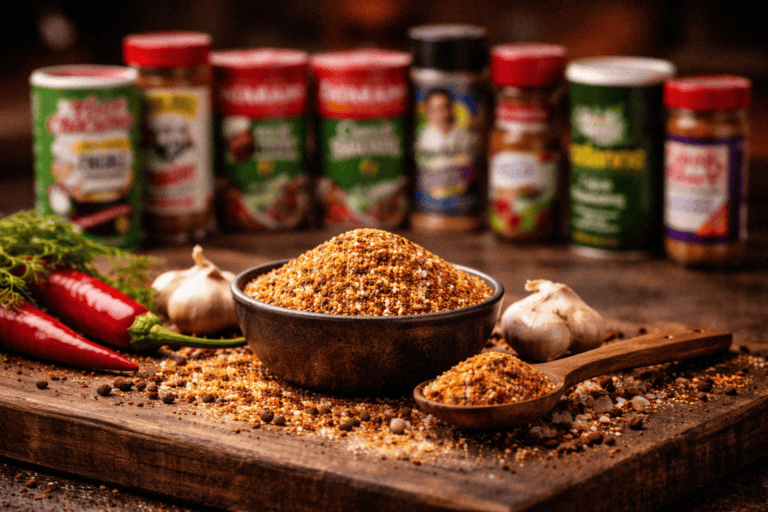
Traditional Cajun Seasonings
Common ingredients include:
- Salt
- Black pepper
- Cayenne
- Paprika
- Garlic powder
- Onion powder
Taste as You Go
Instead of dumping everything in at once, season gradually and adjust throughout the cook.
Rice Is the Flavor Carrier
Rice doesn’t create flavor.
It absorbs it.
That’s why everything before the rice matters so much.
Use Long-Grain Rice
Traditional Louisiana jambalaya uses long-grain rice.
Avoid instant rice, which lacks texture and absorbs liquid differently.
Toast the Rice
Before adding liquid, stir the rice into the pot for a minute or two.
This helps develop flavor and improves texture.
Stop Stirring
Once the liquid is added and the rice begins cooking, stop stirring.
Too much stirring breaks the grains and creates mushy jambalaya.
The Final Build
Once the stock and rice are in the pot, discipline becomes important.
Bring to a Gentle Boil
Allow the liquid to come up to a light boil.
Reduce the Heat
Lower the heat to maintain a gentle simmer.
Cover the Pot
Place the lid on and allow the rice to absorb the liquid.
Let the Rice Work
Avoid repeatedly lifting the lid.
Every time you remove it, valuable steam escapes.
Developing the Bottom Layer
Many Louisiana cooks appreciate a lightly toasted layer on the bottom of the pot.
This is often considered a sign of a properly cooked jambalaya.
Let It Rest
Resting may be the most overlooked step in jambalaya cooking.
Once the rice finishes cooking, turn off the heat and leave the lid on.
Allow the jambalaya to rest for 10 to 15 minutes.
During this time:
- Moisture redistributes
- Rice finishes setting
- Flavors settle and blend
The result is a better texture and deeper flavor.
Common Jambalaya Mistakes
Avoid these common problems:
- Rushing the browning process
- Using water instead of stock
- Overcooking the Trinity
- Burning the garlic
- Over-stirring the rice
- Removing the lid too often
- Skipping the resting period
Fixing these mistakes alone can dramatically improve your jambalaya.
Frequently Asked Questions
What creates the most flavor in jambalaya?
Proper browning of the meat and developing the gratin on the bottom of the pot create the deepest flavor.
Should I use water or stock in jambalaya?
Stock is always the better choice if you want maximum flavor.
Why is my jambalaya bland?
Most bland jambalaya results from insufficient browning, weak stock, or under-seasoning throughout the cooking process.
Should I stir jambalaya while it cooks?
Very little. Once the rice begins cooking, excessive stirring can make the rice mushy.
Why should jambalaya rest before serving?
Resting allows moisture to redistribute and helps the flavors fully develop.
Related Articles
Authentic Louisiana Jambalaya Recipe — Learn how to make a traditional chicken and sausage jambalaya from start to finish.
What Is the Holy Trinity in Louisiana Cooking? — Discover the flavor base behind countless Cajun and Creole dishes.
How to Make a Dark Roux — Master one of Louisiana’s most important cooking techniques.
Chicken and Sausage Gumbo Recipe — Another Louisiana classic built on layers of flavor and tradition.
Final Thoughts
Great jambalaya isn’t created by a single ingredient. It’s built through a series of small steps that layer flavor from beginning to end. Brown your meats properly, cook the Trinity with care, use quality stock, season in stages, and let the rice do its job.
Most importantly, be patient. Authentic Louisiana jambalaya rewards cooks who trust the process. When every layer comes together, the result is a pot of jambalaya that tastes like it came straight out of South Louisiana.