The Art of Making Roux: A Complete Louisiana Guide
Roux is the foundation of many classic Louisiana dishes and one of the most important skills every Cajun and Creole cook should master. Made by slowly cooking flour and fat together, roux adds rich flavor, color, and thickness to beloved recipes like gumbo, étouffée, and sauce piquante. While the ingredients are simple, creating the perfect roux requires patience, attention, and an understanding of how different cooking times affect the final dish.
In this guide, we’ll explore the art of making roux, from selecting the right fats and cookware to achieving the perfect shade for your recipe. Whether you’re aiming for a light blond roux for delicate sauces or a dark chocolate-colored roux for authentic Louisiana gumbo, mastering this time-honored technique will elevate your cooking and help you create deeper, more complex flavors in every pot.

The Art of Making Roux: The Foundation of Louisiana Cooking
Few cooking techniques are more important to Cajun and Creole cuisine than making a proper roux. Whether you’re preparing a rich gumbo, a hearty rice and gravy, or a creamy étouffée, roux is the foundation that builds both flavor and texture. While it’s simply a mixture of flour and fat, the time and care you put into cooking it can completely transform a dish. Learning to master roux is one of the biggest steps toward becoming a better Louisiana cook.
What Is Roux?
A roux (pronounced “roo”) is a mixture of fat and flour cooked together to create the foundation for soups, stews, sauces, gravies, and many classic Louisiana dishes.
While roux serves as a thickener, its true purpose in Cajun and Creole cooking is flavor. The longer a roux cooks, the darker it becomes and the deeper its flavor develops.
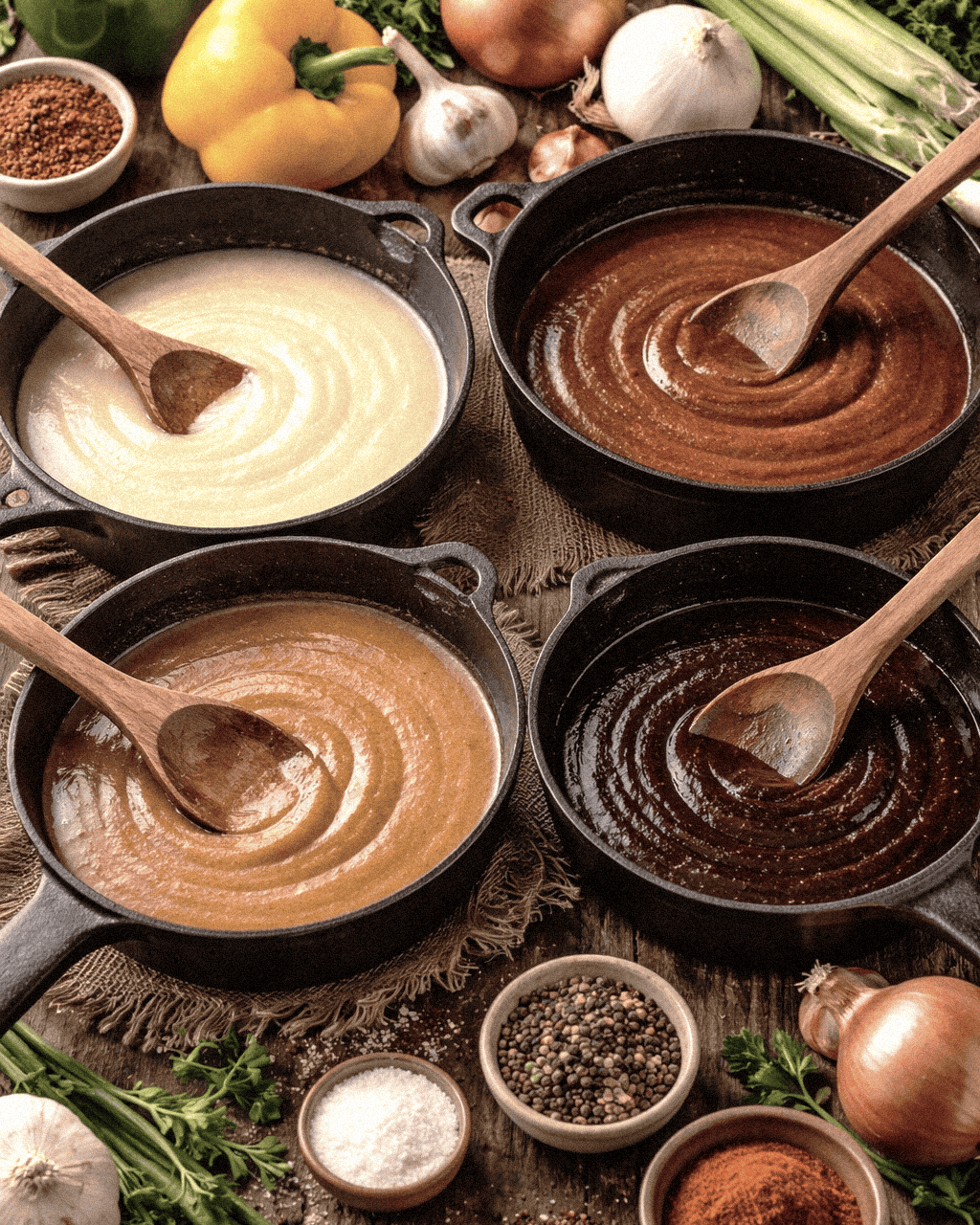
The Different Types of Roux
White Roux
Cook Time: 2–5 minutes
Color: Pale white
Flavor: Mild and slightly nutty
White roux is cooked just long enough to remove the raw flour taste without developing much color.
Best uses:
- Béchamel sauce
- Cream gravies
- Mac and cheese
- Seafood mornay
- Cream-based soups
- Crab dip
Blonde Roux
Cook Time: 5–15 minutes
Color: Light golden brown
Flavor: Nutty and lightly toasted
Blonde roux develops more flavor while maintaining excellent thickening ability.
Best uses:
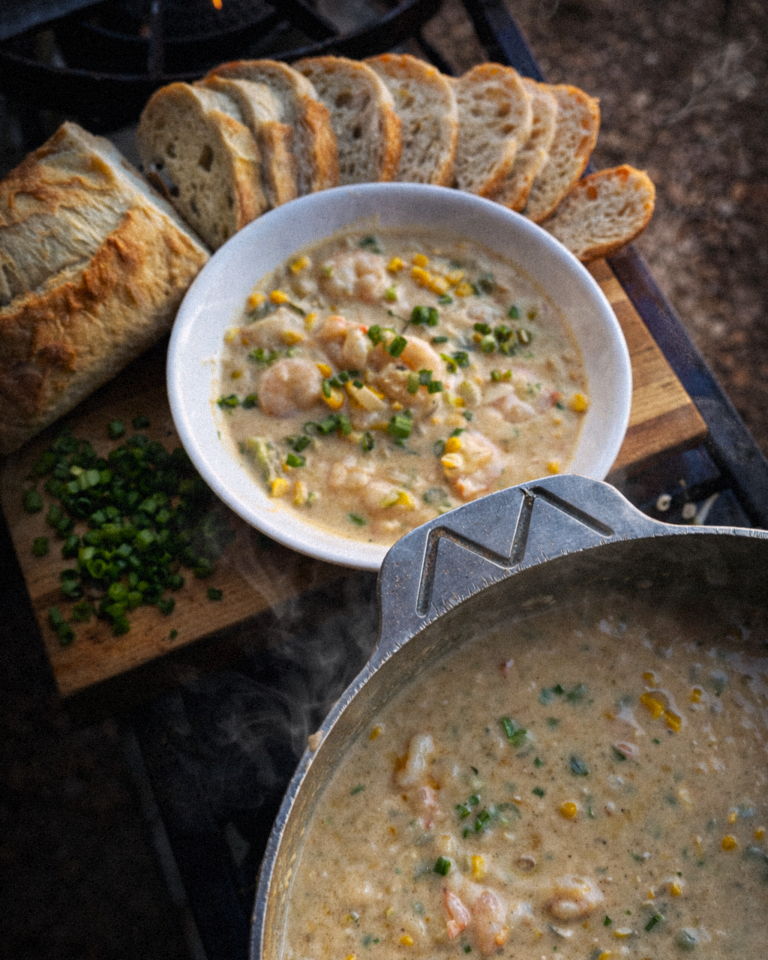
- Shrimp étouffée
- Crawfish étouffée
- Fricassee
- Light Cajun gravies
- Smothered dishes
Brown Roux
Cook Time: 20–35 minutes
Color: Milk chocolate
Flavor: Deep, rich, and nutty
Brown roux is where traditional Cajun cooking begins to shine. As it darkens, flavor increases while thickening power decreases.
Best uses:
- Rice and gravy
- Smothered pork chops
- Cajun stews
Dark Chocolate Roux
Cook Time: 35–50+ minutes
Color: Dark chocolate
Flavor: Bold, smoky, and deeply toasted
This is the classic South Louisiana gumbo roux. It requires patience and constant stirring but produces unmatched flavor.
Best uses:
- Chicken and sausage gumbo
- Duck gumbo
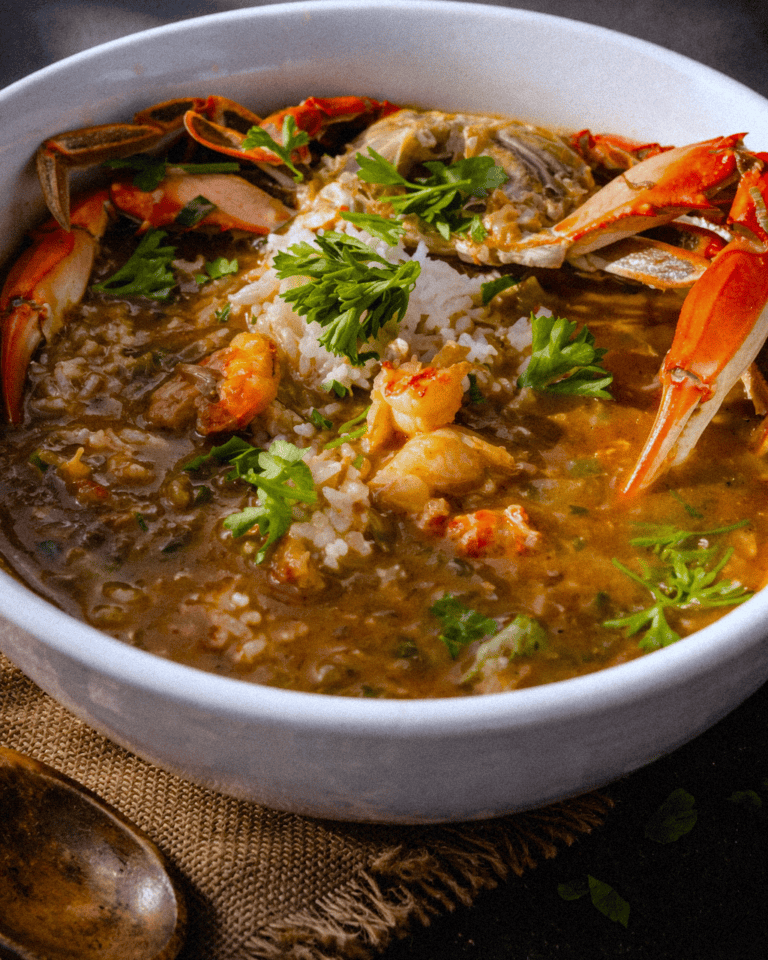
- Seafood Gumbo
- Wild game gumbo
- Traditional Cajun gumbo
- Deeply flavored stews
Traditional Roux Recipe
Ingredients
- 1 cup all-purpose flour
- 1 cup vegetable oil, peanut oil, or bacon grease
Instructions
Heat the oil in a heavy-bottom pot or cast-iron Dutch oven over medium heat.
Slowly whisk in the flour until smooth.
Stir constantly with a wooden spoon or whisk.
Adjust the heat as necessary to prevent burning.
Continue cooking until the roux reaches your desired color.
Immediately add your vegetables if continuing with a recipe.
Important: Never walk away from roux. It can burn in seconds.
Oven Roux Method
For beginners, the oven method creates a consistent dark roux with less risk of scorching.
Ingredients
- 1 cup flour
- 1 cup oil
Instructions
Preheat the oven to 350°F.
Combine the flour and oil in a Dutch oven.
Bake uncovered for 1–2 hours.
Stir every 20–30 minutes.
Continue until the desired color is reached.
Choosing the Best Fat for Your Roux
One of the most overlooked parts of making a great roux is choosing the right cooking fat. While flour provides the body, the fat determines how easily the roux cooks, how well it tolerates heat, and even contributes to the final flavor.
Vegetable Oil: The Louisiana Standard
For most Cajun and Creole cooks, vegetable oil is the traditional choice. It has a neutral flavor, a high smoke point, and allows the toasted flavor of the flour to shine without adding competing flavors.
Other neutral oils that work just as well include:
- Canola oil
- Peanut oil
- Avocado oil
- Corn oil
- Grapeseed oil
These oils can withstand the long cooking times required to produce a medium, dark, or chocolate-colored roux without burning.
Butter: Rich Flavor with Some Limitations
Butter creates an incredibly rich, nutty flavor and is excellent for lighter roux used in dishes like étouffée, cream sauces, or macaroni and cheese. As butter browns, the milk solids caramelize, adding another layer of flavor.
However, butter has one major drawback: its relatively low smoke point. The milk solids begin to brown and eventually burn long before flour reaches the deep chocolate color needed for many Cajun gumbos. If you’re attempting a dark roux with regular butter, it can easily scorch and leave the entire batch tasting bitter.
If you enjoy the flavor of butter but want a darker roux, clarified butter (ghee) is a much better option. Since the milk solids have been removed, it has a significantly higher smoke point and can handle longer cooking times.
Animal Fats
Many old Louisiana recipes call for rendered bacon grease, pork lard, duck fat, or even chicken fat. These fats add tremendous flavor and were commonly used before vegetable oils became household staples.
While delicious, animal fats have stronger flavors that can influence the finished dish. Bacon grease works particularly well in chicken and sausage gumbo, while duck fat pairs beautifully with duck or wild game recipes.
Which Fat Is Best?
For authentic Louisiana gumbo, vegetable oil remains the gold standard because it’s inexpensive, neutral, and forgiving during long cooking times.
Choose your fat based on the style of dish you’re making:
- Dark gumbo roux: Vegetable oil, canola oil, peanut oil, avocado oil, or clarified butter.
- Medium roux: Any neutral oil or clarified butter.
- Light roux for sauces or étouffée: Butter provides exceptional flavor and richness.
No matter which fat you choose, maintain roughly equal parts fat and flour by volume, cook over steady heat, and stir continuously. Patience is far more important than the type of oil—you can always make another roux, but once it burns, there’s no saving it.
Roux Tips From Louisiana Kitchens
- Cook over medium heat for better control.
- Use heavy cookware to prevent hot spots.
- Oil works best for dark roux.
- Butter works best for white and blonde roux.
- Stir constantly.
- Trust your nose—if it smells burnt, it probably is.
- Be patient and let the color develop naturally.
- Add the Holy Trinity immediately once the desired color is reached.
If You See Black Specks, Start Over
If you notice small black specks appearing in your roux, it has begun to burn. Those specks are scorched flour and will give your gumbo a bitter, burnt flavor that can’t be fixed. Unfortunately, the only solution is to discard the roux, clean the pot, and start again. Slow, steady heat and constant stirring are the best ways to prevent burning.
Common Roux Mistakes
Avoid these common mistakes when making roux:
- Walking away from the stove
- Cooking at excessively high temperatures
- Not stirring consistently
- Using lightweight cookware
- Trying to save a burnt roux
- Rushing the cooking process
Once roux burns, there is no fixing it. The best option is to discard it and start over.
Why Roux Is the Heart of Louisiana Cooking
Few ingredients represent Louisiana cooking more than roux.
Whether you’re making gumbo in Acadiana, cooking rice and gravy on a Sunday afternoon, or preparing a seafood dish along the Gulf Coast, roux serves as the foundation of flavor.
It’s a technique passed down through generations and remains one of the most important skills a Louisiana cook can master.
Pro Tips for Better Roux
- Measure equal parts flour and fat by volume.
- Keep your heat consistent instead of trying to rush the process.
- Use a flat wooden spoon or whisk to scrape every part of the pot.
- Wear long sleeves when making dark roux, as hot roux can splatter.
- Always have your chopped vegetables ready before the roux reaches its final color.
- Remember that darker roux delivers more flavor but less thickening power.
Frequently Asked Questions
What is roux made from? Traditional roux is made from equal parts flour and fat, usually oil, butter, or bacon grease.
What is the best oil for dark roux? Vegetable oil and peanut oil are popular because of their high smoke points and neutral flavor.
Why does darker roux have less thickening power? As the flour cooks longer, its starches break down, reducing thickening ability while increasing flavor.
How dark should roux be for gumbo? Most Louisiana gumbo recipes use a brown or dark chocolate roux depending on the style and personal preference.
Can I make roux ahead of time? Yes. Roux can be refrigerated for several weeks or frozen for several months, making it easy to prepare in advance.
Related Articles
Chicken and Sausage Gumbo Recipe – Learn how a rich dark roux creates the bold flavor found in authentic Cajun gumbo.
Louisiana Seafood Gumbo Recipe – Discover how a dark chocolate roux builds depth while allowing fresh Gulf seafood to shine.
What Is the Holy Trinity in Louisiana Cooking? – Explore the vegetable foundation behind countless Cajun and Creole recipes.
How to Build Deep, Authentic Flavor in Louisiana Jambalaya – Learn the techniques that create rich Louisiana flavor through proper browning and layering.
Louisiana Crawfish Étouffée Recipe – See how a blonde roux creates the perfect balance of flavor and texture for this Cajun classic.
Final Thoughts
Learning to make roux is one of the most valuable skills any Louisiana cook can develop. Whether you’re preparing a creamy sauce with a white roux or spending nearly an hour building a dark chocolate roux for gumbo, patience is what transforms simple ingredients into incredible flavor. Master this one technique, and you’ll have the foundation for many of Louisiana’s most iconic dishes.