Reverse Sear vs Sous Vide: Which Steak-Cooking Method Is Better?
When it comes to cooking the perfect steak, two techniques consistently stand above the rest: reverse searing and sous vide. Both methods are designed to deliver evenly cooked meat with a tender interior and a flavorful crust, but they achieve those results in very different ways. Reverse searing uses low oven temperatures followed by a hot sear, while sous vide relies on precise temperature-controlled water baths before finishing over high heat. Whether you’re a backyard pitmaster, home cook, or serious steak enthusiast, understanding the differences between reverse sear and sous vide can help you choose the best method for your cooking style, equipment, and desired results. In this guide, we’ll compare flavor, texture, convenience, cooking time, and overall performance to determine which technique produces the ultimate steak.
Reverse Sear vs Sous Vide: Which Steak-Cooking Method Is Better?
Have you ever cut into a steak that looked perfectly browned on the outside, only to find a cold, rare center? Or worse, by the time the center reached your desired doneness, the outside had become overcooked and dry. Both the reverse sear and sous vide methods solve this problem by bringing the entire steak to an even internal temperature before finishing it with a quick, high-heat sear. The result is a steak that’s cooked consistently from edge to edge with a beautifully browned crust and no thick band of overcooked meat around the outside.
When it comes to cooking a perfect steak, two methods consistently rise to the top: reverse searing and sous vide. Both techniques produce exceptional results, yet they take very different paths to get there.
Reverse searing focuses on developing flavor and crust through low-temperature cooking whether in an oven or smoker, followed by an intense sear. Meanwhile, sous vide prioritizes precision by cooking steak in a temperature-controlled water bath before finishing it over high heat.
Understanding the strengths and weaknesses of each method can help you choose the right approach for your next steak night.
What Is Reverse Searing?
Reverse searing flips the traditional steak-cooking process. Instead of searing first and finishing later, you slowly cook the steak until it nearly reaches your target temperature before applying a high-heat sear.
As a result, the steak cooks more evenly from edge to edge while still developing a beautiful crust.
How Reverse Searing Works
- Cook the steak at 225–275°F in an oven or smoker
- Slowly bring the internal temperature up
- Remove the steak just below your target temperature
- Dry Steak well and oil pan
- Finish with a blazing-hot sear
- Rest briefly before serving
Because the steak cooks gently at first, it develops a more consistent interior than many traditional cooking methods.
Benefits of Reverse Searing
Many steak enthusiasts prefer reverse searing because it delivers excellent texture and flavor.
Advantages
- Exceptional crust development
- Even doneness throughout
- Great flavor from grills and smokers
- No specialized equipment required
- Ideal for thick steaks
Additionally, reverse searing works exceptionally well when cooking outdoors on a smoker or charcoal grill.
Drawbacks of Reverse Searing
Although reverse searing produces outstanding results, it does require attention and proper timing.
Potential Disadvantages
- Less precise than sous vide
- Requires temperature monitoring
- Can overcook if left too long
- Results vary based on equipment
Fortunately, a reliable meat thermometer solves many of these challenges.
Best Steaks for Reverse Searing
Thicker cuts benefit most from the reverse sear method.
Top Choices
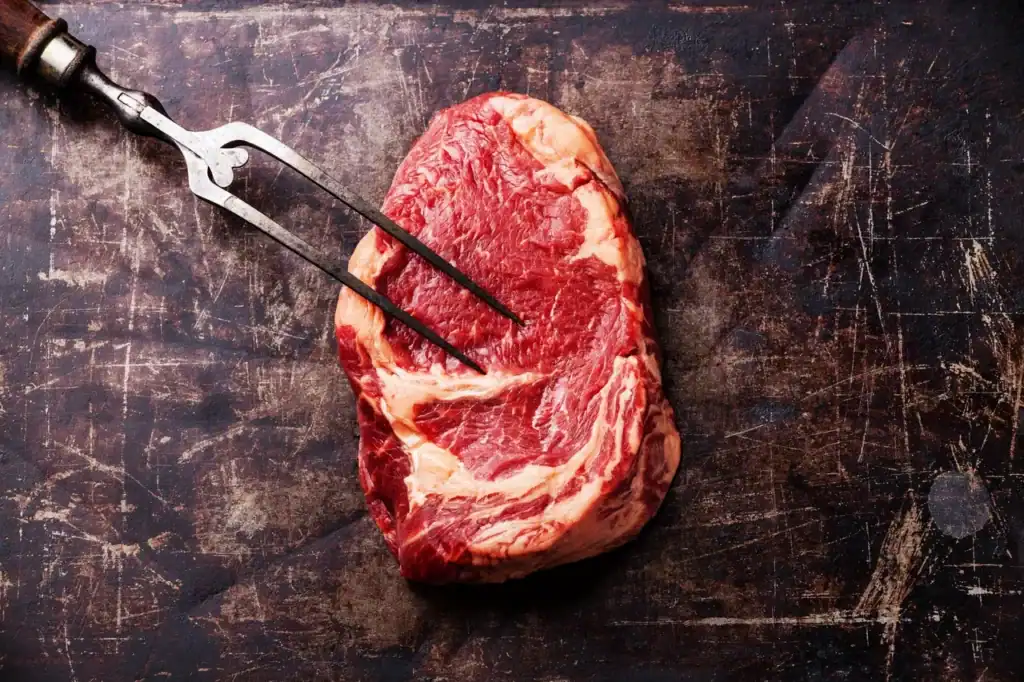
- Ribeye
- Tomahawk steak
- New York strip
- Porterhouse
- Thick-cut sirloin
Because these cuts require more cooking time, reverse searing helps maintain a juicy interior while building a flavorful crust.
What Is Sous Vide Cooking?
Sous vide, which means “under vacuum” in French, involves sealing food in a bag and cooking it in a precisely controlled water bath.
Instead of relying on guesswork, sous vide cooks the steak to an exact temperature from edge to edge before a quick finishing sear.
As a result, achieving your preferred level of doneness becomes remarkably consistent.
How Sous Vide Works
Sous vide is a cooking method that seals food in an airtight bag and cooks it in a precisely controlled water bath. Because the water stays at a constant temperature, the food cooks evenly from edge to center without the risk of overcooking. Once the desired internal temperature is reached, the meat is removed from the bag, patted dry, and finished with a quick, high-heat sear to develop a flavorful crust. Before sealing the bag, season the meat generously with salt, pepper, and your favorite seasoning blend. Fresh herbs like thyme, rosemary, sage, or oregano, along with garlic cloves, shallots, or a small pat of butter, can be added to infuse subtle flavors during cooking. Since the bag traps all of the natural juices and aromatics, the herbs and seasonings have plenty of time to gently flavor the meat without drying it out.
Basic Steps
- Season the steak
- Seal it in a vacuum bag or zipper bag
- Place it in a temperature-controlled water bath
- Cook until it reaches equilibrium
- Remove and dry thoroughly
- Finish with a high-heat sear
Because the water temperature never exceeds your target doneness, overcooking becomes extremely difficult.
Benefits of Sous Vide
Sous vide has become popular among home cooks and professional chefs alike because of its consistency.
Advantages
- Precise doneness every time
- Nearly impossible to overcook
- Extremely tender results
- Great for meal prep
- Ideal for cooking multiple steaks
Additionally, sous vide allows you to hold steaks at temperature until you’re ready to finish and serve.
Drawbacks of Sous Vide
Despite its precision, sous vide isn’t perfect.
Potential Disadvantages
- Requires special equipment
- Longer total cooking time
- Less traditional cooking experience
- Steak must be dried thoroughly before searing
Without proper drying, the steak may struggle to develop a quality crust.
Best Steaks for Sous Vide
Sous vide works well with nearly any steak, but some cuts benefit more than others. This works great for thicker cuts of meat.
Top Choices
- Filet mignon
- New York strip
- Sirloin
- Ribeye
- Tougher cuts needing tenderness
Because of its precision, sous vide can transform cuts that might otherwise cook unevenly.
Reverse Sear vs Sous Vide: Side-by-Side Comparison
Crust
Winner: Reverse Sear
Reverse searing often develops a slightly better crust because the exterior naturally dries during the low-temperature cooking phase.
Precision
Winner: Sous Vide
Sous vide offers exact temperature control and unmatched consistency.
Ease of Use
Winner: Sous Vide
Once the water bath is set, the process becomes largely hands-off.
Flavor
Winner: Reverse Sear
Many cooks prefer the flavor development that occurs in a smoker, grill, or oven during reverse searing.
Equipment Required
Winner: Reverse Sear
You only need an oven, smoker, or grill and a good thermometer.
Which Method Should You Choose?
The answer depends on what matters most to you.
Choose Reverse Sear If
- You love a deep crust
- You enjoy grilling and smoking
- You cook thick steaks regularly
- You want traditional steakhouse flavor
Choose Sous Vide If
- You want perfect doneness every time
- You’re cooking for a crowd
- You prefer hands-off cooking
- You’re learning steak technique
Both methods can produce incredible steaks when done correctly.
Pro Tips for Both Methods
Regardless of which technique you choose, a few simple practices can dramatically improve your results.
Helpful Tips
- Season generously
- Use a meat thermometer
- Pat steaks dry before searing
- Use high-smoke-point oils
- Let steaks rest briefly
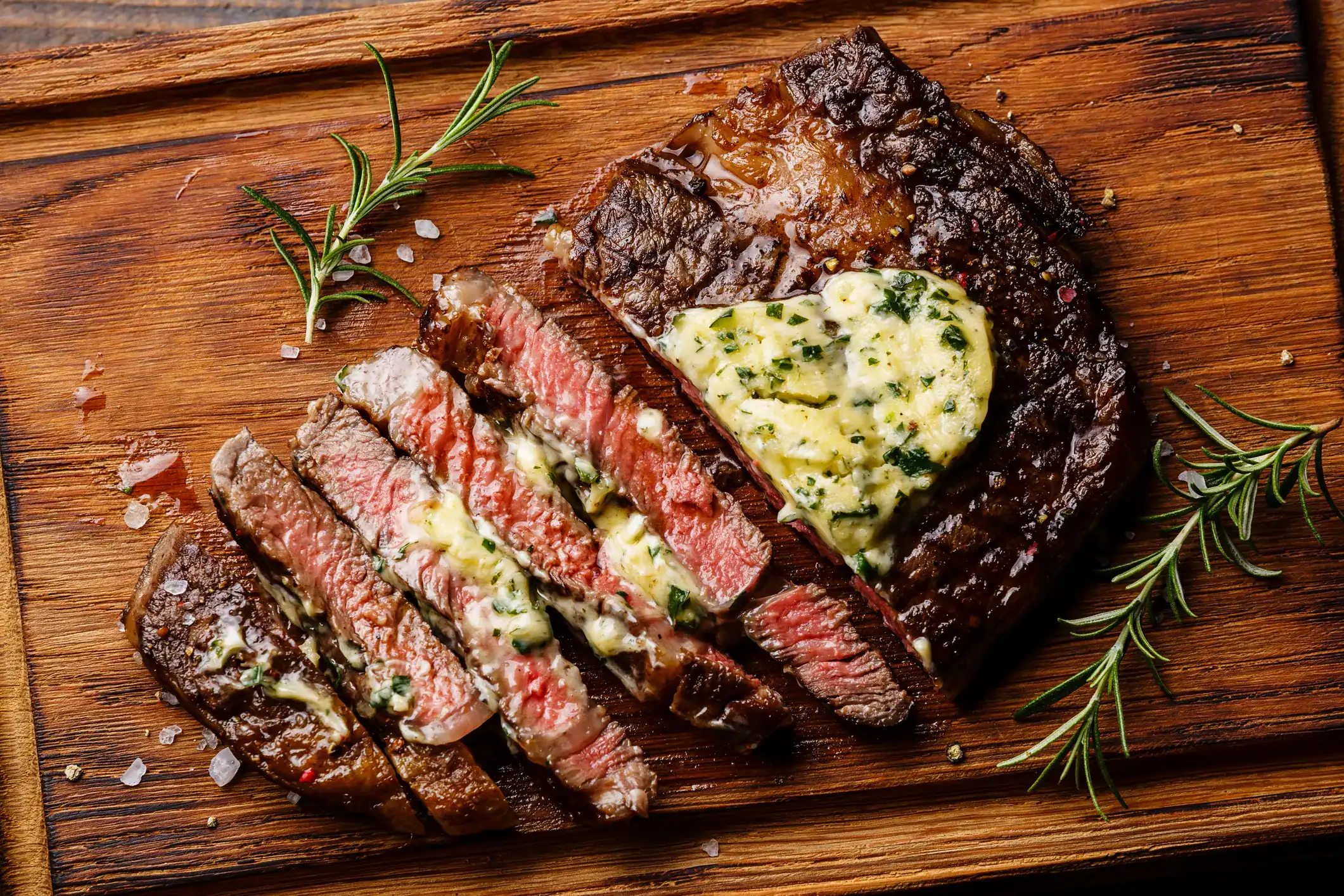
- Finish with compound butter if desired
Additionally, high-quality beef always produces better results regardless of the cooking method.
Frequently Asked Questions
Which method makes the best crust?
Reverse searing typically creates a slightly better crust because the steak’s exterior dries more during cooking.
Which method is more foolproof?
Sous vide is generally more forgiving because it virtually eliminates overcooking.
Can you reverse sear on a smoker?
Yes. In fact, many pitmasters prefer using a smoker for reverse-seared steaks because it adds additional flavor.
Is sous vide worth buying equipment for?
If you cook steaks frequently and value consistency, many home cooks find the investment worthwhile.
Can I use both methods together?
Technically yes, but most cooks choose one or the other since both already finish with a high-heat sear.
Related Articles
The Art of Making Roux – Learn one of the most important cooking techniques in Louisiana cuisine and the foundation of countless Cajun dishes.
Butter vs Oil: Which Is Better for Cooking? – Discover when to use butter, oil, or both for the best flavor and cooking performance.
Ultimate Guide to Making the Perfect Hamburger – Master burger techniques, meat selection, and cooking methods for backyard grilling success.
Best Louisiana Seasonings for 2026 – Explore the top seasoning blends for steaks, seafood, vegetables, and Southern cooking.
How to Properly Clean Cast Iron – Keep your cast-iron cookware seasoned and ready for everything from steaks to cornbread.
Final Thoughts
Both reverse searing and sous vide rank among the best ways to cook steak. Reverse searing excels at building flavor and crust, while sous vide delivers unmatched precision and consistency. Rather than choosing one forever, many experienced cooks use both methods depending on the cut, equipment, and occasion. Master each technique, and you’ll always have a reliable way to cook an outstanding steak.