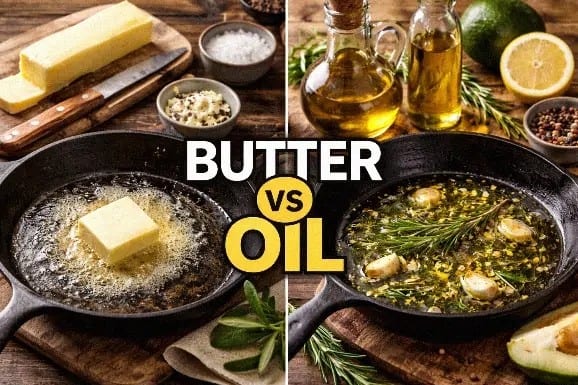
Butter vs. Oil in Cooking: Which Is Better and When to Use Each?
Butter vs. oil is one of the most common debates in home cooking, and the truth is that both have their place in the kitchen. While butter adds rich flavor and helps create beautifully browned dishes, cooking oils often offer higher smoke points and better performance for high-heat cooking methods. Understanding when to use butter, when to use oil, and when to combine the two can make a significant difference in the flavor, texture, and success of your recipes. In this guide, we’ll break down the pros and cons of butter and oil, compare their cooking properties, and explain the best situations for frying, sautéing, roasting, baking, and grilling so you can choose the right fat for every meal.
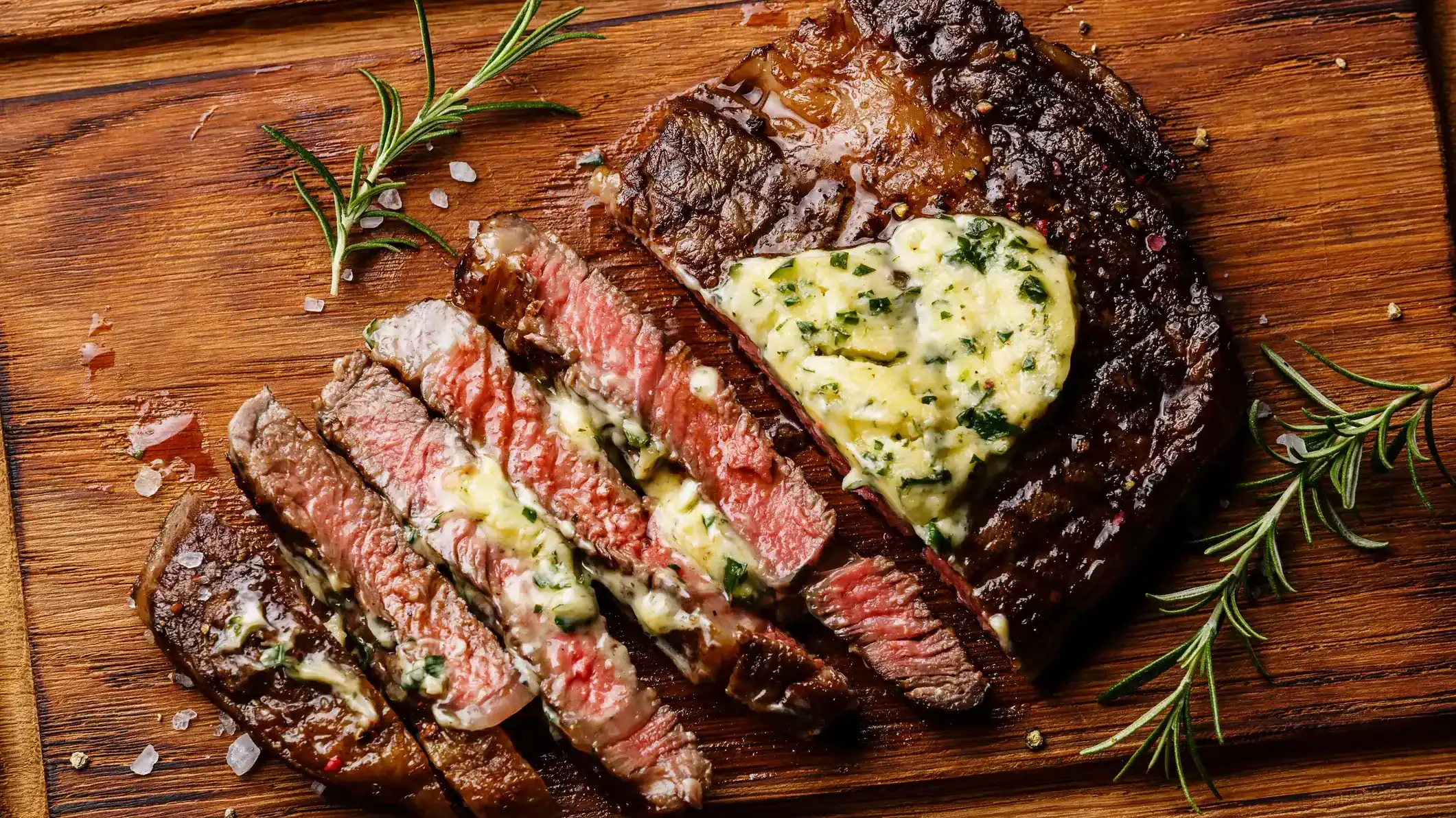
Butter vs. Oil: Which Is Better for Cooking?
The answer depends on what you’re cooking and the results you want. While both butter and oil play important roles in the kitchen, each performs differently when it comes to flavor, heat, and texture.
In Louisiana cooking, you’ll often find both working together. Butter delivers rich flavor, while oil provides the heat tolerance needed for frying, searing, and high-temperature cooking.
Understanding when to use each can immediately improve your cooking.
Why Butter Shines in the Kitchen
Butter has been a staple of Southern cooking for generations. It adds richness, depth, and a flavor that many oils simply can’t replicate.
Because butter contains milk solids, it creates a nutty, savory taste when heated properly.
Best Uses for Butter
Butter works best when:
- Building sauces
- Finishing vegetables
- Cooking seafood
- Making gravies
- Baking
- Sautéing aromatics
- Creating rich pan sauces
Additionally, butter helps develop the deep flavors found in many Louisiana dishes.
Butter’s Biggest Limitation
Despite its flavor advantages, butter has one weakness: heat.
Regular butter typically begins to burn between 300°F and 350°F. Once the milk solids scorch, the flavor quickly becomes bitter.
As a result, butter alone is not ideal for high-heat searing or deep frying.
Why Oil Excels at High Heat
Unlike butter, most cooking oils contain no milk solids. Therefore, they can withstand much higher temperatures without burning.
Because of this, oil often becomes the better choice when heat control matters most.
Best Uses for Oil
Oil works best when:
- Searing steaks
- Deep frying
- Stir-frying
- Blackening fish
- Cooking with cast iron
- Grilling at high temperatures
Furthermore, oil allows food to develop a better crust without the risk of scorching.
The Best Method: Using Butter and Oil Together
Many professional chefs use a combination of butter and oil.
This simple technique provides the advantages of both ingredients.
Benefits include:
- Higher smoke point
- Richer flavor
- Better browning
- Reduced risk of burning
For example, many Louisiana cooks combine oil and butter when pan-frying fish, searing shrimp, or cooking pork chops.
As a result, they get the flavor of butter with the heat resistance of oil.
Types of Butter and When to Use Them
Regular Butter
Regular butter provides classic flavor and works best at lower temperatures.
Best for:
- Vegetables
- Sauces
- Baking
- Seafood dishes
- Finishing recipes
Clarified Butter (Ghee)
Clarified butter removes the milk solids while retaining much of the buttery flavor.
Benefits include:
- Higher smoke point
- Less burning
- Better high-heat performance
Best for:
- Pan-searing
- Seafood
- Cast iron cooking
- High-temperature sautéing
Consequently, clarified butter gives you more flexibility than traditional butter.
Salted vs. Unsalted Butter
One of the biggest decisions when cooking with butter is choosing between salted and unsalted. Unsalted butter gives you complete control over the amount of salt in a recipe, making it the preferred choice for baking and dishes where precise seasoning matters. Salted butter contains added salt, making it convenient for spreading on bread, finishing vegetables, or adding flavor to everyday cooking. Since the amount of salt varies between brands, unsalted butter is generally recommended for recipes, while salted butter works well when a little extra seasoning won’t affect the final result. Keeping both on hand gives you the most flexibility in the kitchen.
Types of Cooking Oils and Their Uses
Olive Oil
Olive oil adds flavor while handling moderate cooking temperatures.
Best for:
- Sautéing
- Dressings
- Vegetables
- Finishing dishes
Vegetable Oil and Canola Oil
These neutral oils handle high temperatures well.
Best for:
- Frying
- Searing
- General cooking
- Southern-style frying
Avocado Oil
Avocado oil offers one of the highest smoke points available.
Best for:
- Cast iron cooking
- Grilling
- High-heat searing
Peanut Oil
Peanut oil remains a Louisiana favorite for frying.
Best for:
- Fried fish
- Fried chicken
- Seafood
- Cajun cooking
Additionally, its high smoke point makes it one of the most reliable frying oils available.
Butter vs. Oil: Side-by-Side Comparison
Butter
Pros:
- Rich flavor
- Excellent browning
- Ideal for sauces
- Great finishing ingredient
Cons:
- Lower smoke point
- Burns easily at high heat
Oil
Pros:
- Higher smoke point
- Better for frying
- More versatile at high temperatures
- Consistent performance
Cons:
- Less flavor
- Doesn’t create the same richness as butter
Butter vs. Oil: Which Is Healthier?
Neither butter nor oil is universally “healthier”—the best choice depends on your cooking method and overall diet. Butter is rich in flavor and contains saturated fat, making it excellent for baking, sauces, and finishing dishes, but it’s generally recommended in moderation. Oils that are high in unsaturated fats, such as extra virgin olive oil, avocado oil, and canola oil, are often considered better choices for heart health when used in place of saturated fats. Olive oil is ideal for low- to medium-heat cooking and dressings, while avocado oil has a high smoke point that makes it excellent for searing and grilling. Highly refined oils and those high in trans fats should be limited when possible. For most home cooks, the healthiest approach is to use a variety of quality fats—choosing butter when you want rich flavor and oils like olive or avocado when you want a heart-friendly option for everyday cooking.
Neither butter nor oil should automatically be labeled “good” or “bad.”
Butter contains more saturated fat, while many oils contain higher levels of unsaturated fats.
However, the healthiest choice often depends on:
- Cooking method
- Portion size
- Overall diet
- Personal preferences
In other words, moderation matters more than choosing one over the other.
Cooking the Louisiana Way
Louisiana cooks have long understood that great food comes from using the right ingredient at the right time. In Louisiana cooking, oil is the preferred fat for making a dark Cajun roux because it has a higher smoke point and can withstand the long cooking time needed to achieve a deep chocolate-brown color without burning. Neutral oils like vegetable, canola, peanut, or avocado oil are popular choices because they let the toasted flour flavor shine through. Butter, on the other hand, contains milk solids that brown and burn more quickly, making it better suited for lighter roux used in dishes like étouffée, cream sauces, or classic French recipes. If you’re making a traditional gumbo with a dark roux, oil is generally the best choice, while butter excels when you’re looking for a lighter, richer, buttery flavor.
For example:
- Use butter when flavor is the priority.
- Use oil when heat is the priority.
- Use both when you want the best of both worlds.
That simple approach creates better seafood, richer vegetables, crispier fried foods, and more flavorful meals overall.
Frequently Asked Questions
Is butter better than oil for cooking?
Neither is universally better. Butter provides more flavor, while oil performs better at high temperatures.
Why does butter burn faster than oil?
Butter contains milk solids that scorch at lower temperatures than most cooking oils.
Can I mix butter and oil together?
Yes. Combining butter and oil is a common technique that improves flavor while increasing heat tolerance.
What oil is best for frying?
Peanut oil, vegetable oil, canola oil, and avocado oil all perform well for frying.
Is clarified butter healthier than regular butter?
Clarified butter contains the same fats as regular butter but removes water and milk solids, making it better suited for high-heat cooking.
Related Articles
- Different Types of Salt and Which One Is Best to Use – Learn how different salts affect flavor, texture, and cooking performance.
- The Art of Making Roux – Discover why flour and fat create the foundation of Louisiana cooking.
- How to Build Deep, Authentic Flavor in Louisiana Cooking – Learn the techniques that separate good food from great food.
- Guide to Making Chicken, Beef, Seafood, and Vegetable Stock – Build stronger flavor from the ground up with homemade stock.
- The Holy Trinity of Louisiana Cooking – Explore the vegetable base behind countless Cajun and Creole dishes.
Final Thoughts
The debate between butter and oil isn’t really about choosing one over the other. Instead, it’s about understanding what each ingredient does best. Butter brings richness and flavor, while oil provides heat tolerance and versatility.
Once you learn when to use each—and when to combine them—you’ll gain more control over flavor, texture, and overall cooking results. That’s a lesson Louisiana cooks have understood for generations.