Louisiana Coastal Cities Where Fishing and Cajun Culture Thrive
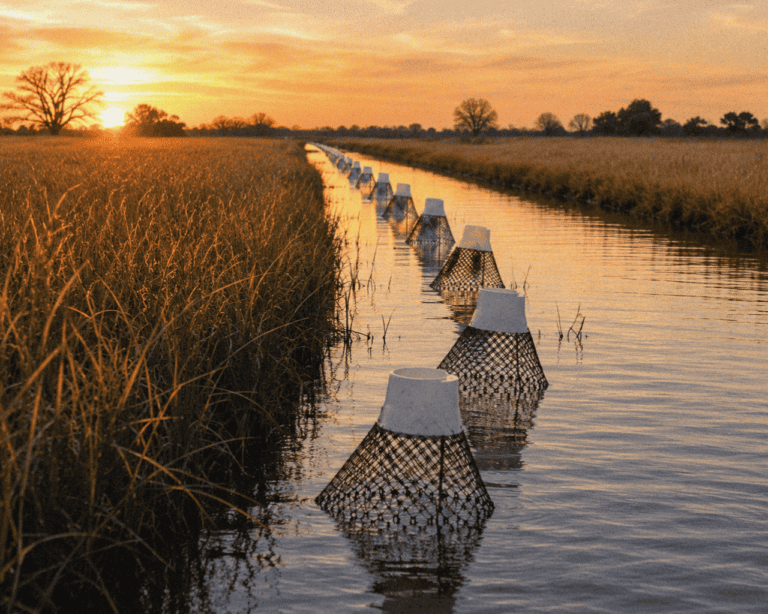
Louisiana’s coastal cities offer a unique blend of world-class fishing, rich Cajun heritage, and some of the most authentic experiences in the South. From the marshes of Venice, known as the “Fishing Capital of Louisiana,” to the shrimping communities of Grand Isle, Delacroix, and Cocodrie, these waterfront towns are where generations have made their living from the Gulf and the surrounding wetlands. Fresh seafood, family-run restaurants, Cajun music, and a deep connection to the water create a culture unlike anywhere else in America. Whether you’re chasing redfish and speckled trout, exploring scenic bayous, or enjoying a plate of fresh-caught seafood, Louisiana’s coastal cities showcase the traditions, flavors, and outdoor adventures that make the state a true Sportsman’s Paradise.
Louisiana’s history is a rich blend of Native American heritage, European exploration, African influence, and immigrant traditions that together shaped one of the most unique cultures in America. Originally home to numerous Indigenous tribes, the region was claimed by France in 1682 before later coming under Spanish rule and eventually returning to France. In 1803, the United States acquired Louisiana through the historic Louisiana Purchase, dramatically expanding the nation’s territory. Over the centuries, French, Spanish, African, Acadian, German, Italian, Irish, and Caribbean influences combined to create the state’s distinctive cuisine, music, architecture, language, and traditions. Today, Louisiana’s colorful history is reflected in everything from its festivals and food to its bayous, plantations, and vibrant cities.
What are Cajuns and Creoles? The Cultures That Shaped Louisiana
Cajuns and Creoles are two of the most influential cultural groups in Louisiana, each with its own unique history while sharing many traditions. Cajuns are descendants of the Acadians, French settlers who were expelled from present-day Canada in the 1700s and eventually settled throughout South Louisiana’s bayous and prairies. Creole originally referred to people born in colonial Louisiana, with roots that could include French, Spanish, African, Caribbean, Native American, or mixed ancestry. Together, these cultures shaped Louisiana’s world-famous cuisine, music, language, architecture, and celebrations. While Cajun and Creole traditions have distinct characteristics, they often overlap, creating the rich cultural heritage that makes Louisiana unlike anywhere else in the world.
Life on the Water: Fishing and Shrimping at the Heart of the Coast
Throughout Louisiana’s coastal communities, fishing and shrimping serve as far more than occupations. Instead, they represent generations of tradition, family heritage, and a way of life deeply connected to the Gulf of Mexico.
Many coastal residents grow up learning tides, weather patterns, and navigation from an early age. As a result, knowledge of the water often passes from one generation to the next.
Today, commercial fishermen harvest:
- Brown shrimp
- White shrimp
- Pink shrimp
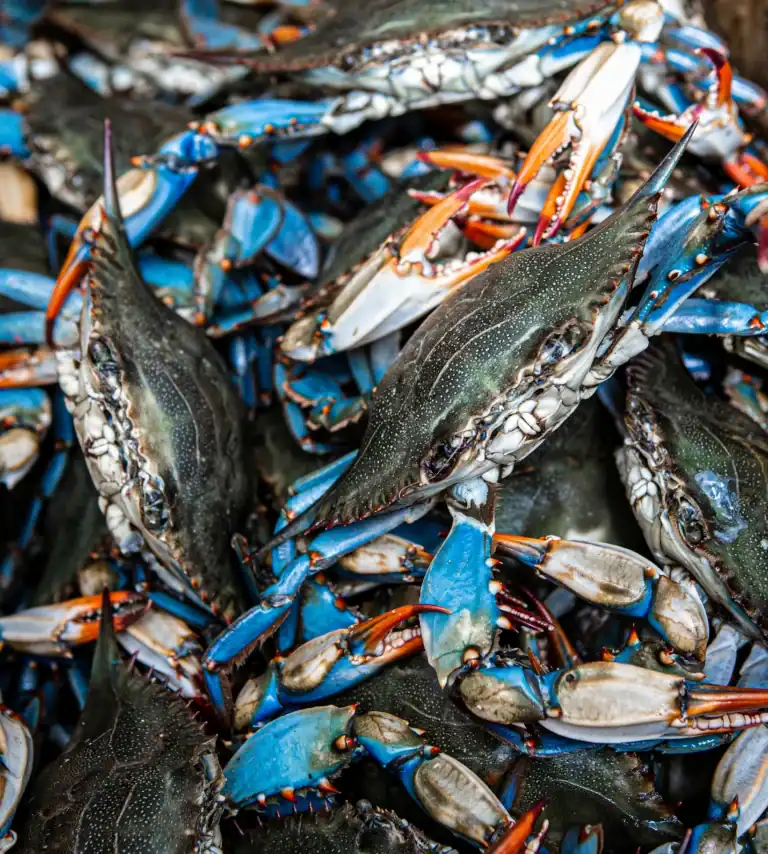
- Blue crabs
- Oysters
- Inshore fish species
In many towns, seafood travels from boat to market within hours. Consequently, Louisiana continues to produce some of the freshest seafood in the country.
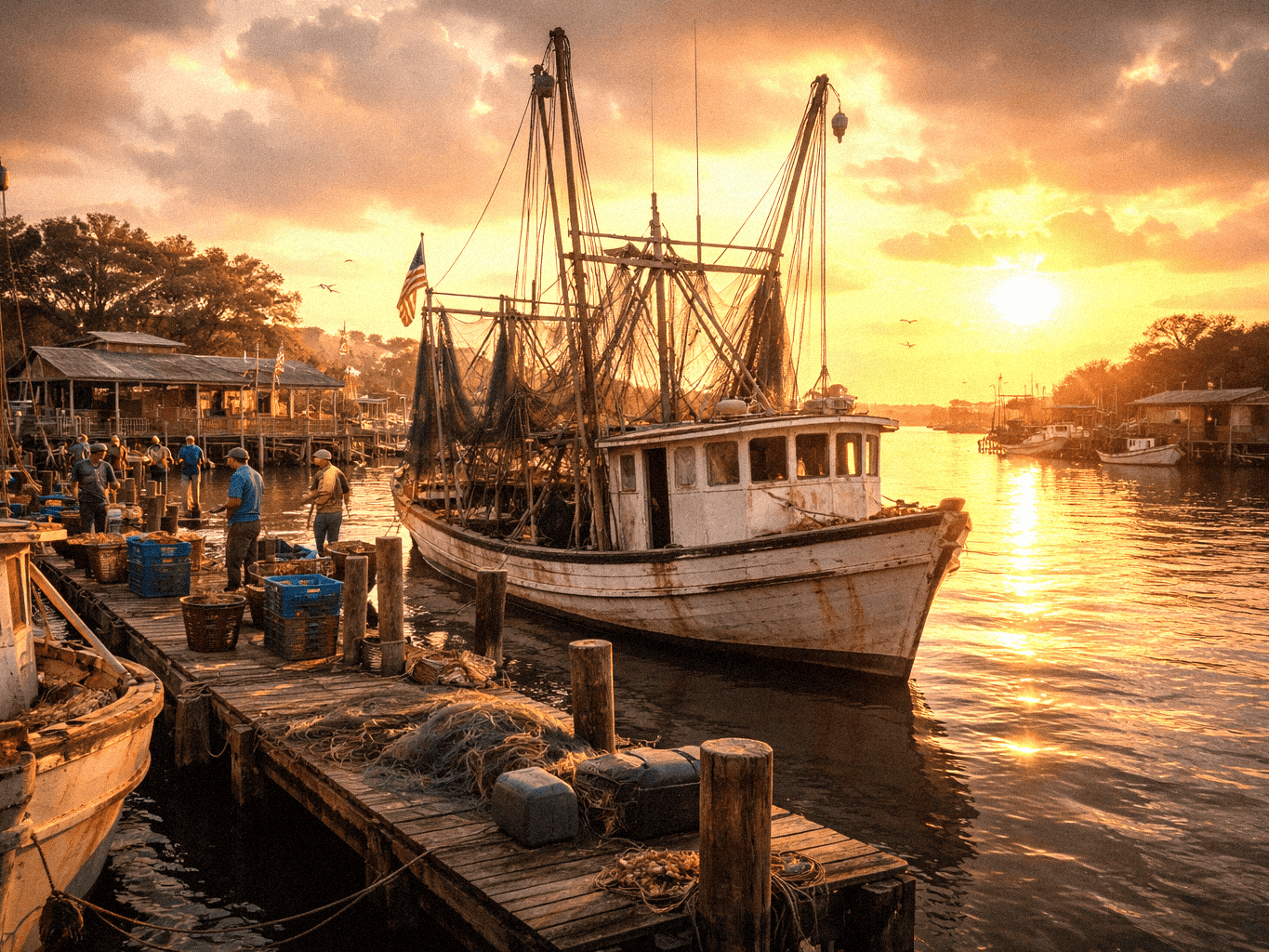
When shrimp season opens, entire communities come alive. Docks fill with activity, seafood markets stay busy, and local restaurants showcase the latest catch.
Grand Isle: Louisiana’s Barrier Island Culture
Situated directly on the Gulf of Mexico, Grand Isle remains one of Louisiana’s most recognizable coastal destinations.
Unlike many beach communities, Grand Isle revolves around working waterfronts rather than tourism alone. Consequently, commercial shrimp boats, charter captains, and recreational anglers all play important roles in the local economy.
The island’s culture reflects generations of Cajun resilience shaped by:
- Hurricanes
- Commercial fishing
- Shrimping
- Family traditions
- Coastal living
Here, the Gulf isn’t simply scenery—it’s a way of life.
Venice: The End of the Road and the Beginning of Great Fishing
At the southern end of Louisiana Highway 23 sits Venice, a community known nationwide for world-class fishing.
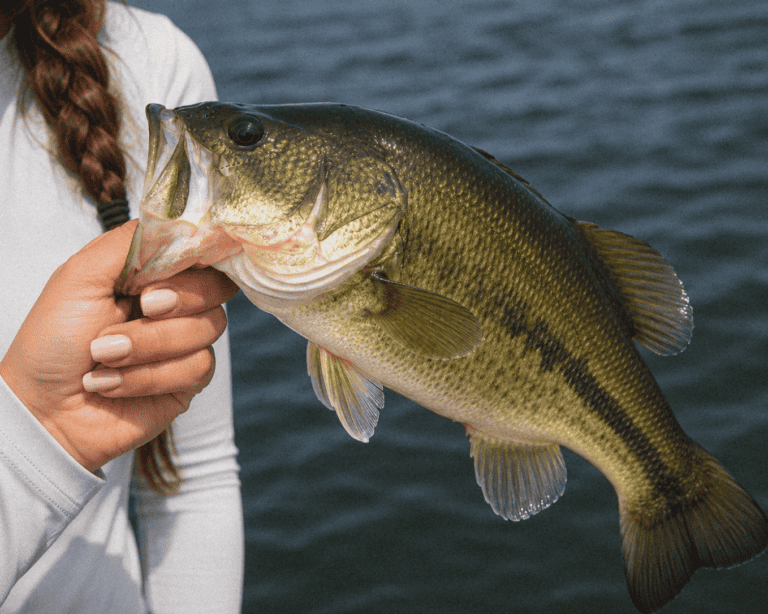
Often called the Fishing Capital of Louisiana, Venice sits at the mouth of the Mississippi River, where freshwater and saltwater collide to create one of the most productive fisheries in North America. Anglers can catch an incredible variety of species, including redfish, speckled trout, flounder, largemouth bass, tuna, marlin, snapper, and wahoo—all within a relatively short run from the marina. Whether you’re fishing the marshes, the river, or the Gulf of Mexico, Venice offers world-class opportunities year-round, making it a bucket-list destination for both inshore and offshore anglers.
Visitors quickly notice:
- Commercial fishing docks
- Charter boats
- Shrimp vessels
- Ice houses
- Working waterfronts
Unlike many fishing destinations, Venice still feels authentic and untouched.
Delcambre: Louisiana’s Shrimping Heritage
Nestled along Vermilion Bay, Delcambre remains one of Louisiana’s most important shrimping communities.
For generations, local families have earned their living on the water. Even today, shrimp boats line the docks and seafood businesses anchor the local economy.
The town’s strong Cajun heritage remains visible throughout daily life.
You’ll still find:
- Family-owned seafood operations
- Working shrimp docks
- Traditional Cajun cooking
- Deep-rooted community ties
As a result, Delcambre offers a glimpse into coastal Louisiana’s commercial fishing culture.
Cameron: Rugged Gulf Coast Living
Few places demonstrate Louisiana’s coastal resilience better than Cameron.
Over the years, hurricanes, storm surge, and coastal erosion have dramatically reshaped the landscape. Nevertheless, residents continue rebuilding and maintaining their connection to the Gulf.
Fishing and shrimping remain central to life here.
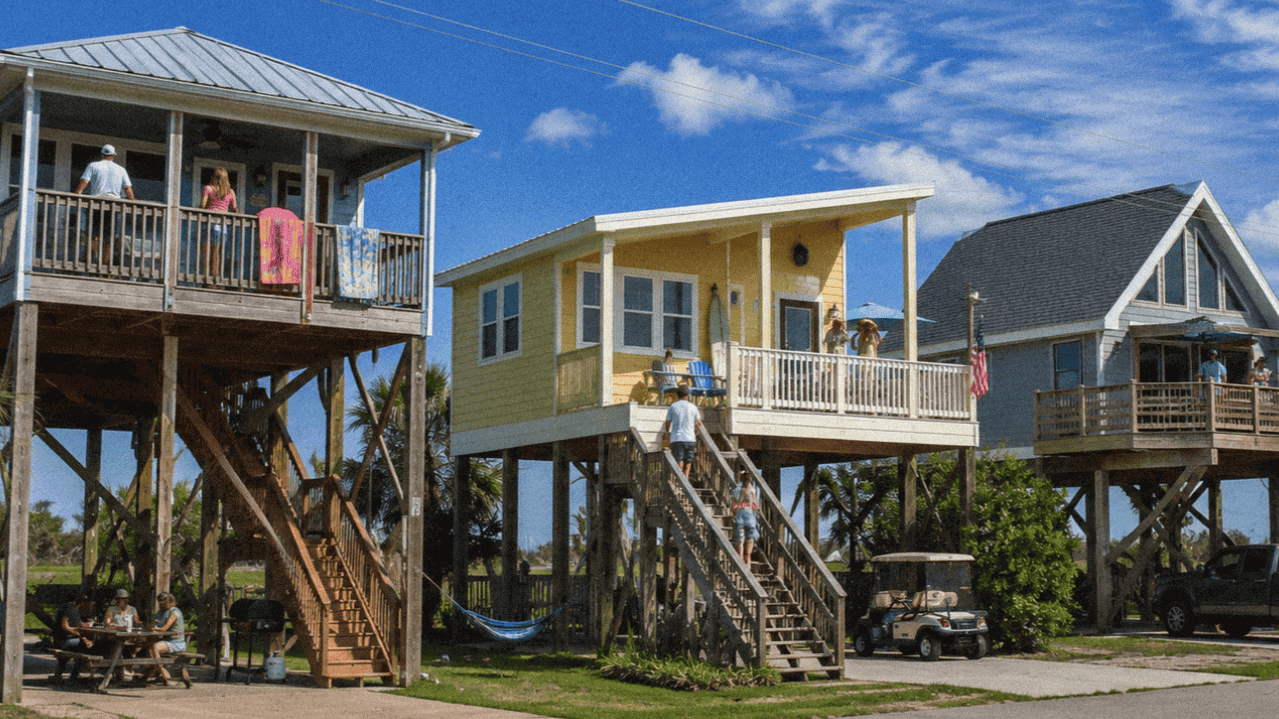
Located along the Gulf Coast, the town has been struck by several devastating storms, including Hurricanes Audrey (1957), Rita (2005), Ike (2008), Laura (2020), and Delta (2020). Powerful storm surges and extreme winds destroyed homes, businesses, marinas, and critical infrastructure, forcing residents to rebuild time and time again. Despite these repeated disasters, Cameron remains a symbol of resilience, with its people continuing to preserve the area’s rich fishing, shrimping, crabbing, and hunting traditions. Today, visitors will find a community that has rebuilt while never losing its deep connection to Louisiana’s coastal heritage.
The community values:
- Hard work
- Self-reliance
- Family
- Faith
- Respect for the water
Consequently, Cameron embodies the toughness often associated with Louisiana’s Gulf Coast.
Cocodrie: Deep Bayou Tradition
Tucked deep within Terrebonne Parish, Cocodrie offers one of the most authentic coastal experiences in Louisiana.
Here, working boats fill the marinas, and seafood remains at the center of daily life.
Local industries include:
- Shrimping
- Crabbing
- Oystering
- Charter fishing
Meanwhile, many cultural traditions remain remarkably strong. Cajun French, family gatherings, and seafood-centered celebrations continue to shape the community.
As a result, Cocodrie feels much like Louisiana’s coastal villages did decades ago.
Chauvin: Where the Bayou Meets the Gulf
Just north of Cocodrie, Chauvin maintains many of the same traditions that define southern Terrebonne Parish.
Fishing, shrimping, and seafood processing continue to support local families. At the same time, cultural traditions remain deeply woven into everyday life.
Visitors quickly notice:
- Family-owned seafood businesses
- Working bayous
- Traditional Cajun cooking
- Strong community connections
Because of that, Chauvin remains one of Louisiana’s most culturally rich coastal communities.
Golden Meadow: Gateway to Productive Gulf Waters
Golden Meadow serves as an important link between Louisiana’s inland communities and the Gulf of Mexico.
Every day, commercial fishermen, offshore workers, and charter captains travel through the area.
The town combines:
- Cajun heritage
- Commercial fishing
- Offshore energy industries
- Strong family traditions
Consequently, Golden Meadow reflects both Louisiana’s past and its modern coastal economy.
Lafitte: Barataria Bay Traditions
Located near Barataria Bay, Lafitte maintains strong ties to shrimping, crabbing, and marsh fishing.
Although New Orleans sits nearby, Lafitte feels worlds away from city life.
Here, residents continue to celebrate traditions through:
- Seafood harvests
- Family gatherings
- Community events
- Cajun cooking
Because of its location and culture, Lafitte provides one of the most accessible introductions to coastal Louisiana life.
The Cajun Dialect: Words You’ll Still Hear Along the Coast
One of the most unique aspects of coastal Louisiana is the continued use of Cajun expressions and regional vocabulary.
The Cajun dialect traces its roots to the Acadians, French settlers who were expelled from present-day Nova Scotia during the Great Expulsion of the 1750s. After settling in the swamps, prairies, and bayous of South Louisiana, they preserved much of their French language while blending it with influences from Spanish, Native American, African, German, and English cultures. Over generations, this unique mix evolved into what is now known as Cajun French and the distinctive Cajun English accent. Although fewer people speak Cajun French fluently today, the dialect lives on through everyday expressions, storytelling, music, and Louisiana’s rich cultural traditions, remaining one of the state’s most recognizable and cherished identities.
While some phrases have faded elsewhere, many remain part of everyday conversation in fishing communities.
Common Cajun Expressions
- Cher (sha) – A term of endearment meaning sweetheart or dear
- Lagniappe – A little something extra
- Mais la! – An expression of surprise or emphasis
- Ça c’est bon – That’s good
- Tasso – Seasoned smoked pork used in Cajun cooking
- Gris-gris – A charm, superstition, or folk belief
- Couillon – A playful term for a fool or silly person
- Fais do-do – A Cajun dance or social gathering
- Passe un bon temps – Have a good time
- Sha bébé – An affectionate nickname
These phrases aren’t preserved for tourists. Instead, families continue using them naturally at home, on boats, and around dinner tables.
Food, Faith, and Family Along the Coast
Although seafood often gets the spotlight, coastal Louisiana culture extends far beyond what’s on the plate.
Family remains central to life in these communities. Likewise, faith continues to play an important role in local traditions and celebrations.
Common gatherings often center around:
- Seafood boils
- Fish fries
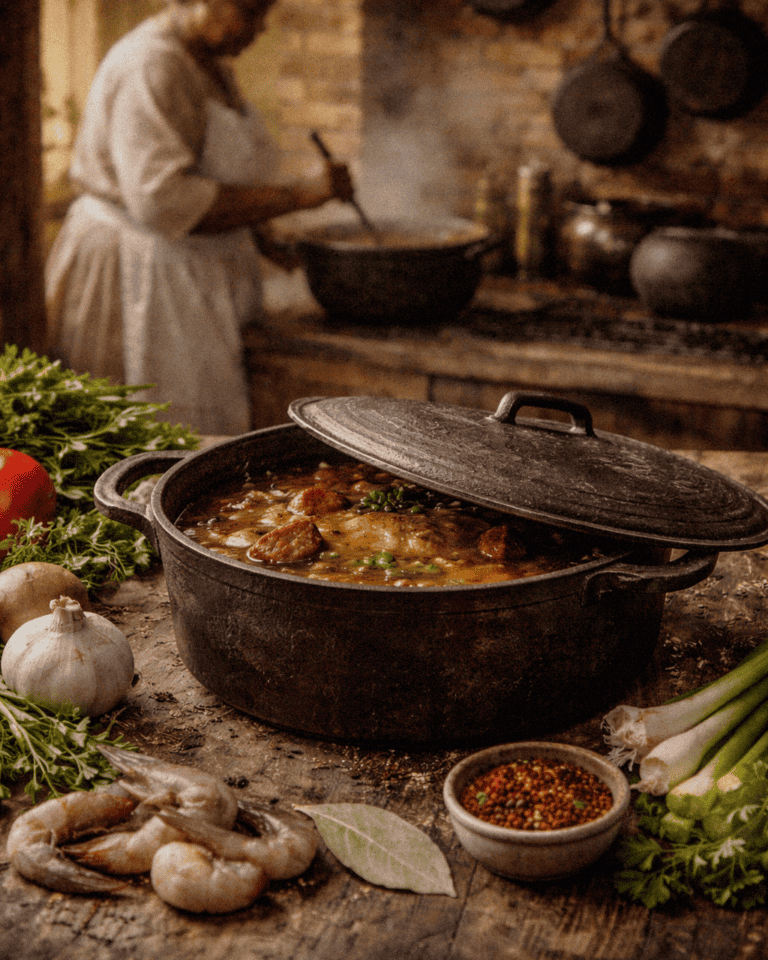
- Gumbo cookouts
- Church events
- Family reunions
As a result, food serves as a connection point that brings generations together.
Why Louisiana’s Coastal Cities Matter
Louisiana’s coastal towns preserve traditions that continue to define the state’s identity.
Here, fishing, shrimping, language, food, and culture remain connected in ways that few places can replicate.
Moreover, these communities offer visitors an opportunity to experience a side of Louisiana that exists far beyond the interstate highways and major cities.
To truly understand Louisiana, head south. Follow the bayous, visit the docks, and spend time in the communities where the state’s seafood and Cajun heritage continue to thrive.
Frequently Asked Questions
What is the most famous coastal town in Louisiana?
Grand Isle is often considered Louisiana’s most famous coastal town because of its fishing, beaches, and Gulf Coast location.
Which Louisiana town is known for shrimping?
Delcambre, Cocodrie, Lafitte, and Grand Isle all have strong shrimping traditions that continue today.
Is Cajun French still spoken in coastal Louisiana?
Yes. While usage has declined over time, many residents still speak Cajun French or regularly use Cajun expressions.
What seafood is most commonly harvested along the Louisiana coast?
Shrimp, oysters, blue crabs, redfish, speckled trout, and crawfish remain among the most important seafood resources.
What makes Louisiana’s coastal culture unique?
The combination of Cajun heritage, commercial fishing, seafood traditions, language, faith, and family creates a culture unlike anywhere else in the United States.
Related Articles
- Exploring the Louisiana Swamps – Discover the waterways, wildlife, and landscapes that shape coastal Louisiana.
- Venice, Louisiana: The Fishing Capital of the Gulf – Learn why anglers travel from around the country to fish Venice.
- Bonfires on the Levee: A Louisiana Christmas Tradition – Discover one of Louisiana’s most unique cultural celebrations.
- Why Louisiana Is the True Sportsman’s Paradise – Learn why hunters and anglers consider Louisiana one of America’s greatest outdoor destinations.
Final Thoughts
Louisiana’s coastal cities tell the story of a culture built on water, resilience, and tradition. From the shrimp docks of Delcambre to the fishing boats of Venice and the bayous of Cocodrie, these communities continue to preserve a way of life that remains deeply connected to the Gulf. While each town has its own personality, they all share a common thread: a deep respect for family, seafood, hard work, and the waters that have sustained them for generations.