History of Crawfish in Louisiana: From Bayous to Backyard Boils
Discover the fascinating history of crawfish in Louisiana, from their importance to Native American communities and early Cajun settlers to their rise as one of the state’s most beloved culinary traditions. Learn how crawfish moved from the bayous and rice fields to become the centerpiece of backyard boils, festivals, and family gatherings across Louisiana. Explore the origins, cultural significance, and evolution of the Louisiana crawfish industry that helped earn the state its reputation as the crawfish capital of the world.
Early Roots: Native Americans and Louisiana’s Natural Abundance
Long before Louisiana became a state, Native American tribes harvested crawfish from the swamps, bayous, and wetlands of the Mississippi River Basin. Archaeologists have even discovered crawfish shells in ancient middens, proving that people relied on crawfish as a food source for centuries.
Because Louisiana offered warm temperatures, shallow water, and nutrient-rich mud bottoms, crawfish thrived naturally throughout the region. As a result, they became an important part of life long before commercial farming ever existed.
The Acadian (Cajun) Influence
When the Acadians arrived in South Louisiana during the 1700s, they quickly adapted to their new environment. They learned to fish, trap, farm, and make use of the abundant natural resources around them.
Naturally, crawfish became part of that lifestyle.
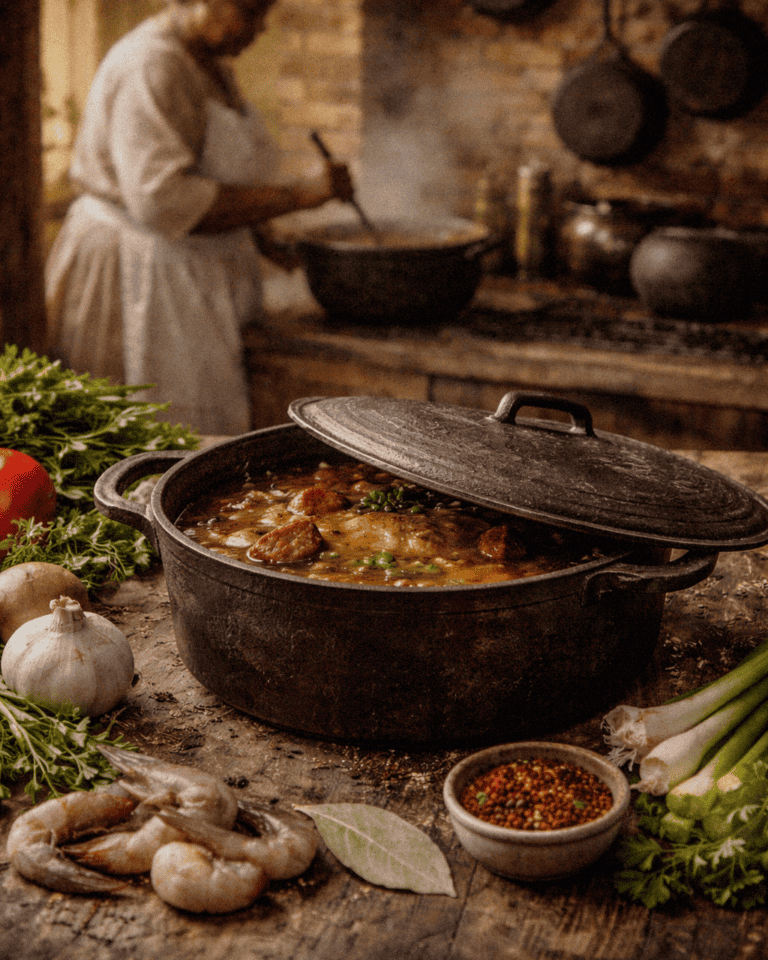
Throughout the 1800s, many families viewed crawfish as a simple and affordable food source. Consequently, they often used them in stews, fricassees, and other everyday meals.
Over time, however, crawfish earned a much larger role in Louisiana culture.
By the early 1900s, communities regularly hosted crawfish boils at:
- Church gatherings
- Family reunions
- Community celebrations
- Fundraisers
- Local festivals
What began as a practical food source eventually became one of Louisiana’s most beloved traditions.
The Rise of Commercial Crawfish Farming
Today, Louisiana produces more than 90 percent of the crawfish harvested in the United States. Much of that success comes from the state’s innovative rice and crawfish farming system.
Instead of using separate land for each crop, farmers developed a sustainable rotation that benefits both rice and crawfish production.
How the Rice-Crawfish Rotation Works
- Farmers grow rice during the summer months.
- After harvest, they flood the fields.
- Crawfish emerge from burrows in the mud.
- Farmers harvest crawfish throughout the season.
- The cycle repeats the following year.
Because this system works so efficiently, Louisiana remains the undisputed leader in crawfish production.
Crawfish Season in Louisiana
Although crawfish are available for much of the year, Louisiana’s prime crawfish season typically runs from late January through early summer.
Most people consider these the peak months:
- March
- April
- May
During this period, crawfish generally reach their best size and flavor. Not surprisingly, this is also when backyard boils and festivals become most common across the state.
How Crawfish Are Caught in Louisiana
Louisiana harvesters use several methods to catch crawfish, depending on the location and season.
Wild Harvesting
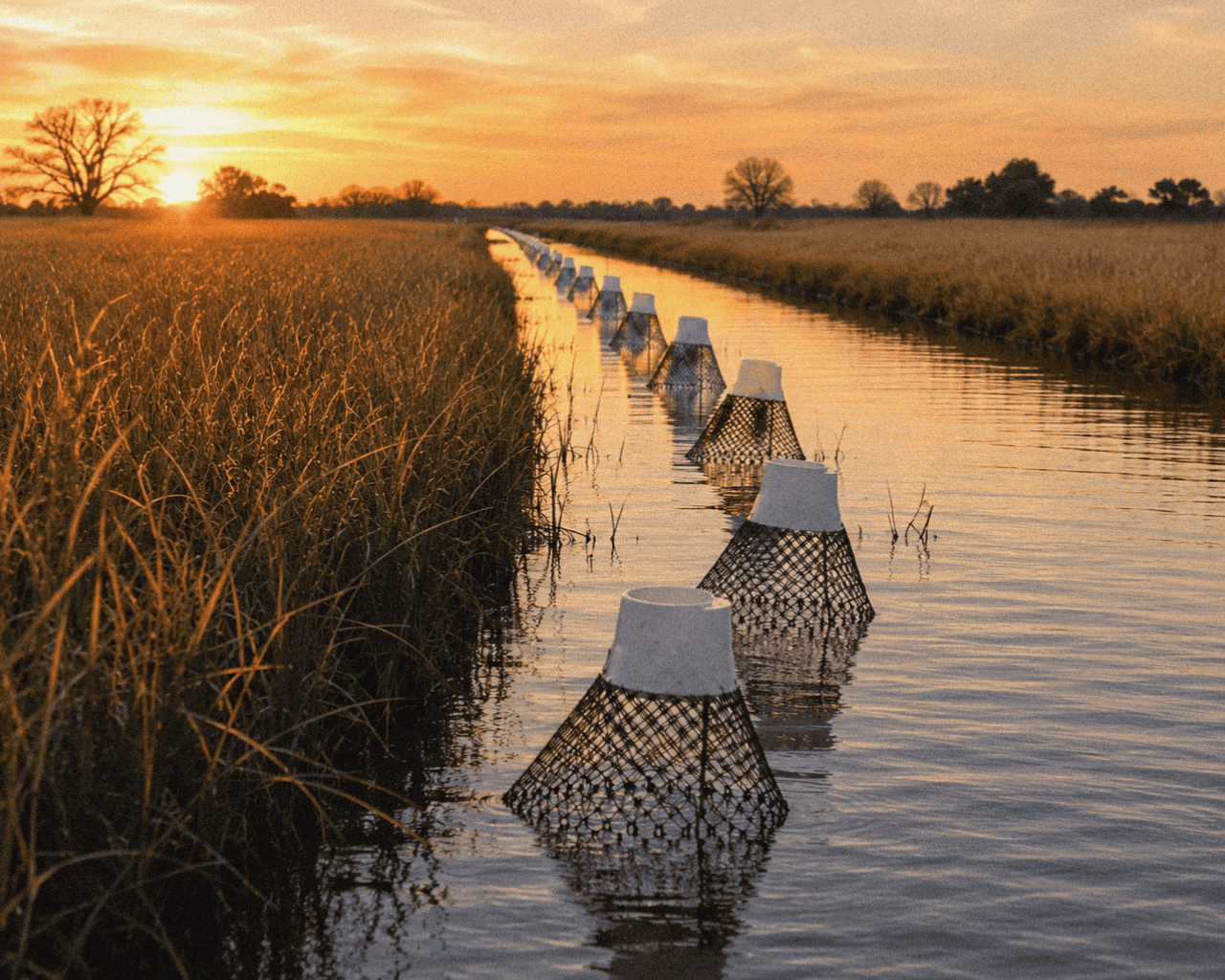
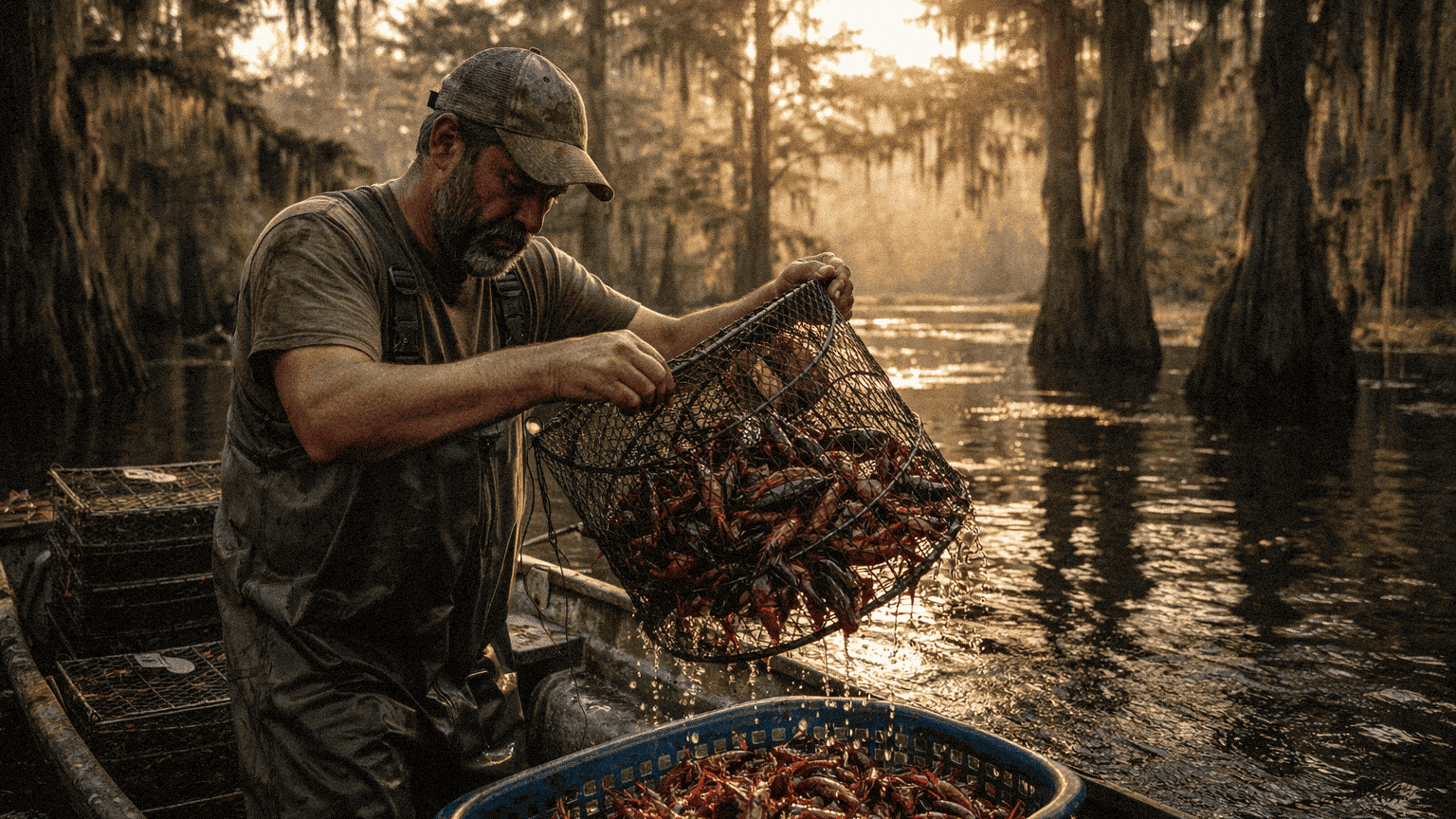
In swamps and bayous, fishermen place wire pyramid traps baited with:
- Shad
- Pogies (menhaden)
- Cut fish
They typically check these traps daily by boat.
Rice Field Farming
Meanwhile, commercial crawfish farmers run flat-bottom boats through flooded rice fields while pulling hundreds of traps every day.
During peak season, a single farm can produce thousands of pounds of crawfish each week.
Hand Harvesting
Historically, many families collected crawfish by hand or with dip nets in shallow water. While this method is less common today, some rural communities still practice it.
How Crawfish Are Graded
Not all crawfish are the same size.
Most sellers sort crawfish into the following categories:
- Field Run
- Select
- Jumbo
Generally, larger crawfish command higher prices because they offer more tail meat and peel more easily during a boil.
How Louisiana Cooks Crawfish
As crawfish became more popular, Louisiana cooks created countless dishes that showcased their sweet flavor.
Today, some of the most popular crawfish recipes include:
- Crawfish Étouffée
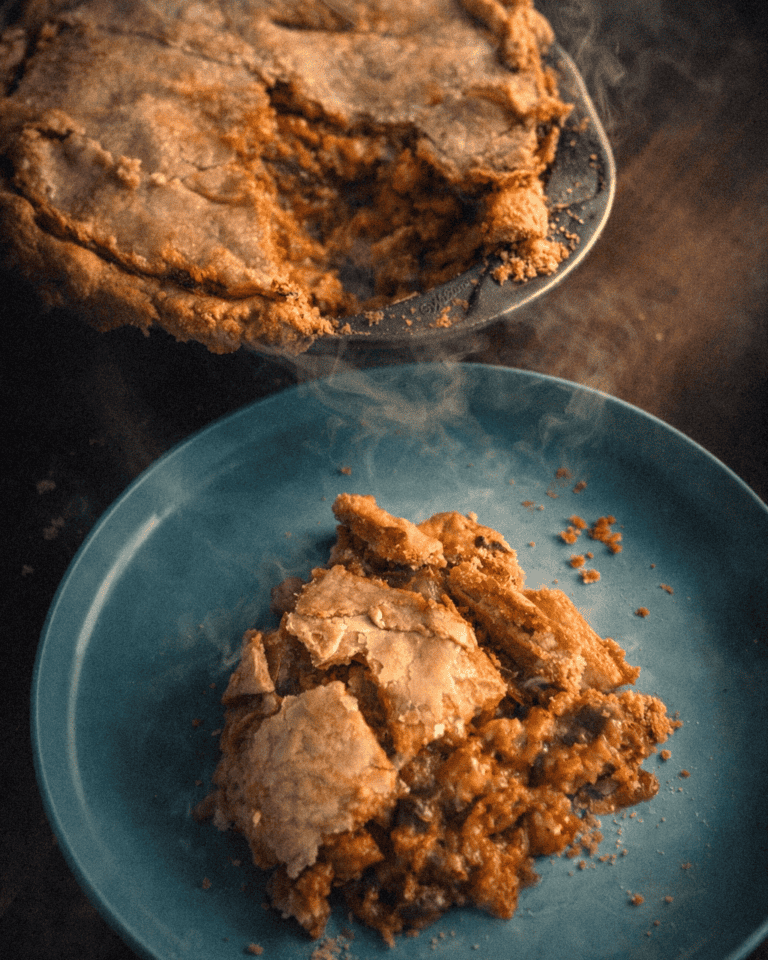
- Crawfish Pie
- Crawfish Bisque
- Crawfish Monica
- Crawfish Mac and Cheese
- Traditional Crawfish Boils
Each dish highlights a different aspect of Louisiana’s culinary heritage while showcasing crawfish as the star ingredient.
Steps on How to Cook Crawfish the Louisiana Way
Step 1: Clean the Crawfish
First, rinse the crawfish thoroughly with clean water.
Remove:
- Dead crawfish
- Mud
- Debris
Despite what some people believe, most experienced Louisiana cooks skip salt purging. Instead, they rely on multiple clean-water rinses.
Step 2: Build the Boil
Next, fill a large boil pot with water and add:
- Crawfish boil seasoning
- Garlic
- Onions
- Lemons
- Potatoes
- Corn
- Smoked sausage
Then bring everything to a rolling boil.
Step 3: Boil and Soak
Add the live crawfish and boil them for 3–5 minutes.
Afterward, turn off the heat and let them soak for 15–25 minutes.
Most importantly, remember that boiling cooks the crawfish, but soaking seasons them.
Step 4: Dump and Serve
Finally, drain the crawfish and dump them onto a covered table.
Then gather family and friends around the feast and enjoy one of Louisiana’s most iconic traditions.
Interesting Crawfish Facts
- Louisiana produces more than 90% of America’s crawfish.
- Breaux Bridge is known as the Crawfish Capital of the World.
- Crawfish belong to the same family as lobsters and shrimp.
- Louisiana farmers harvest millions of pounds of crawfish annually.
- The rice-crawfish farming system is one of the most successful agricultural partnerships in the country.
Frequently Asked Questions
When did people start eating crawfish in Louisiana?
Native American tribes harvested and ate crawfish centuries before European settlers arrived in Louisiana.
Why is Louisiana famous for crawfish?
Louisiana offers ideal habitat for crawfish and developed a highly successful rice-crawfish farming system that produces most of the nation’s supply.
What is the best time of year for crawfish?
Most people consider March through May the peak of crawfish season.
Do crawfish need to be purged with salt?
No. Most Louisiana cooks simply rinse crawfish thoroughly with clean water before cooking.
What is the most popular crawfish dish in Louisiana?
The traditional Louisiana crawfish boil remains the state’s most iconic crawfish dish.
Related Articles
- How to Catch Crawfish in Louisiana – Learn where to find crawfish, which bait works best, and how to set traps successfully.
- Louisiana Crawfish Boil Recipe – Follow a step-by-step guide to cooking crawfish the traditional Louisiana way.
- Crawfish Étouffée Recipe – Discover a classic Cajun dish built around rich flavor and tender crawfish tails.
- Crawfish Pie Recipe – Learn how to make one of Louisiana’s favorite comfort foods.
- The Myth of Purging Crawfish With Salt – Find out why many experienced Louisiana cooks skip this controversial step.
Final Thoughts
The history of crawfish in Louisiana mirrors the history of the state itself. Native Americans harvested them centuries ago, Cajun families embraced them as a dependable food source, and modern farmers transformed them into a thriving industry. Today, crawfish remain at the center of Louisiana culture, bringing people together around boil pots, festival grounds, and backyard tables. Whether you’re catching them in the Atchafalaya Basin or peeling them at a family gathering, crawfish continue to represent one of Louisiana’s most cherished traditions.with family and friends, crawfish represent one of the most authentic and celebrated traditions in the Bayou State.