Best Rice for Jambalaya: What to Use and How to cook it Perfectly
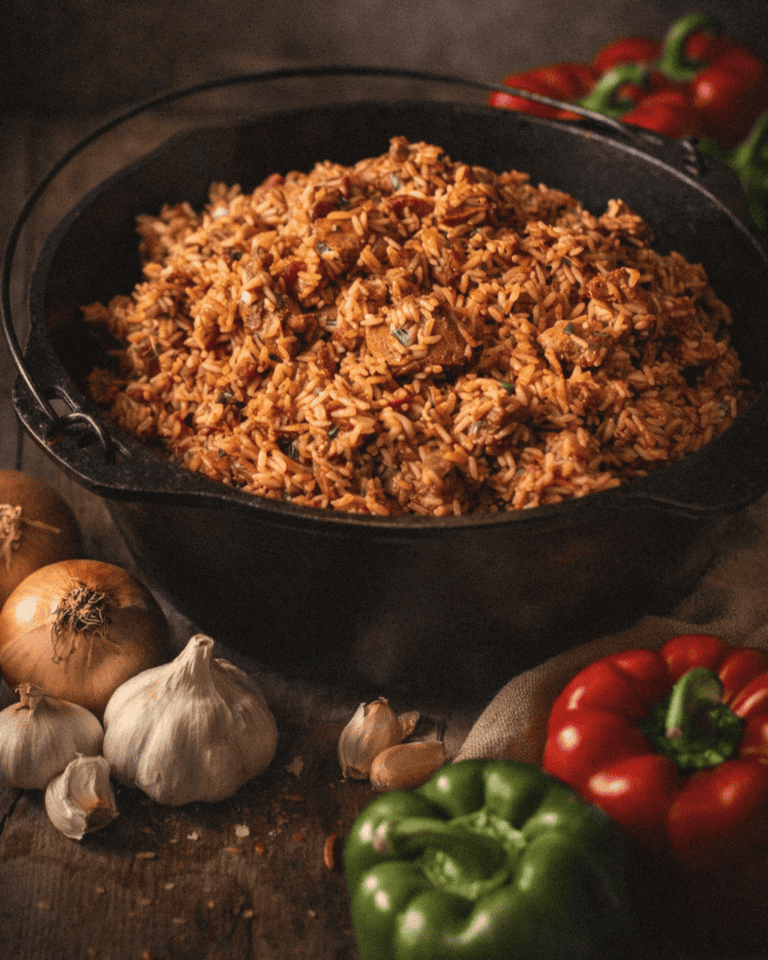
One of the most important—and often overlooked—ingredients in Louisiana jambalaya is the rice itself. While meats, seasonings, and cooking techniques receive most of the attention, the type of rice you choose can make the difference between a perfect pot of jambalaya and one that’s mushy, dry, or unevenly cooked. Authentic Louisiana jambalaya relies on rice that can absorb rich flavors while maintaining the ideal texture, with each grain remaining distinct and packed with seasoning.
In this guide, you’ll learn the best rice varieties for jambalaya, why long-grain rice is traditionally preferred, and how to cook it properly for consistently great results. We’ll cover common mistakes, rice-to-liquid ratios, cooking times, and techniques used by experienced Cajun cooks to achieve fluffy, flavorful jambalaya every time. Whether you’re making chicken and sausage jambalaya, seafood jambalaya, or a large batch for a gathering, choosing the right rice is one of the keys to authentic Louisiana flavor.
Best Rice for Jambalaya: How to Choose the Right Rice and Cook It Perfectly Every Time
Jambalaya is one of Louisiana’s most iconic dishes, but even the best-seasoned pot can be ruined by the wrong rice or poor cooking technique. Perfect jambalaya isn’t mushy, dry, or sticky. Every grain should be tender, separate, and packed with flavor. Choosing the right rice and understanding how to cook it properly are just as important as selecting your sausage, chicken, or seafood.
Whether you’re cooking for your family or making a giant cast-iron pot for a tailgate or festival, these tips will help you make authentic Louisiana jambalaya every time.
Why Rice Matters
Rice is the foundation of jambalaya. Unlike gumbo, where rice is served underneath the dish, jambalaya cooks the rice directly in the seasoned broth, allowing every grain to absorb the flavors of the meat, vegetables, and spices. The wrong variety or cooking method can quickly turn a perfect pot into a sticky mess.
The Best Rice for Jambalaya
Long Grain White Rice (Best Overall)
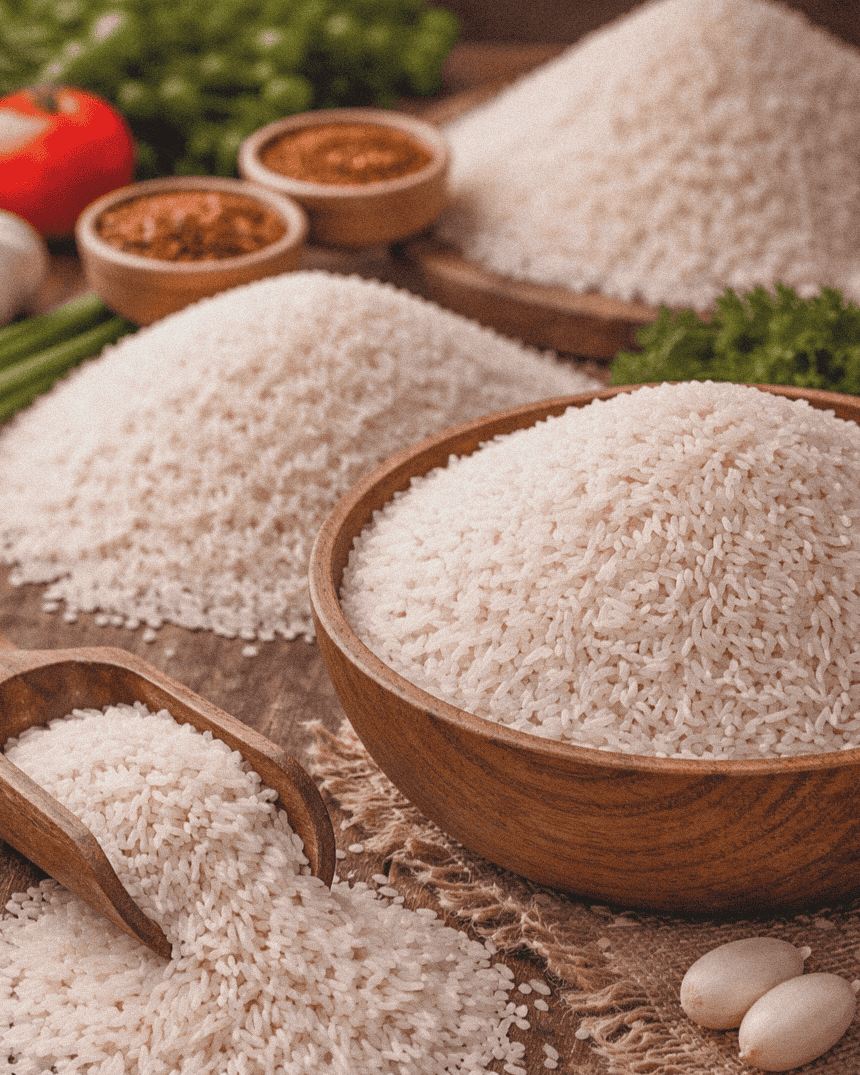
Long grain white rice is the traditional choice throughout Louisiana and produces the classic texture found in Cajun jambalaya.
Why it works:
- Stays light and fluffy
- Grains remain separate
- Absorbs seasoning without becoming gummy
- Easy to find in grocery stores
- Perfect for large batch cooking
This is the rice used in most authentic Cajun jambalaya recipes.
Extra Long Grain Rice
Extra long grain rice performs similarly to standard long grain but tends to separate even better.
It’s an excellent option if you want:
- Distinct individual grains
- Less chance of clumping
- Better presentation
Jasmine Rice
Jasmine rice can work but isn’t traditional.
Pros:
- Slightly softer texture
- Pleasant aroma
Cons:
- Becomes sticky more easily
- Can overcook if you’re not careful
Basmati Rice
Basmati stays extremely fluffy and separated but has a unique flavor that isn’t common in traditional Louisiana cooking.
It works well if you prefer lighter rice but changes the classic taste slightly.
Rice to Avoid
Avoid using these for traditional jambalaya:
- Instant rice
- Minute rice
- Short grain rice
- Sushi rice
- Arborio rice
- Sticky rice
These varieties release too much starch and often produce a gummy texture.
Should You Wash the Rice?
For traditional Cajun jambalaya, many cooks do not rinse the rice because the small amount of surface starch helps the rice absorb flavor while still maintaining structure.
If your rice contains excessive loose starch or dust, a quick rinse is acceptable, but avoid soaking it.
The Perfect Rice-to-Liquid Ratio
For most long grain white rice:
1 cup rice = approximately 2 cups liquid
Keep in mind that vegetables and meats also release moisture during cooking, so many experienced Louisiana cooks slightly reduce the liquid after years of practice.
The key is consistency. Measure your ingredients carefully until you learn how your pot cooks.
Tips for Perfect Jambalaya Rice
Brown Your Meat First
The rich brown bits left on the bottom of the pot add tremendous flavor to the broth before the rice is added.
Build Flavor Before Adding Rice
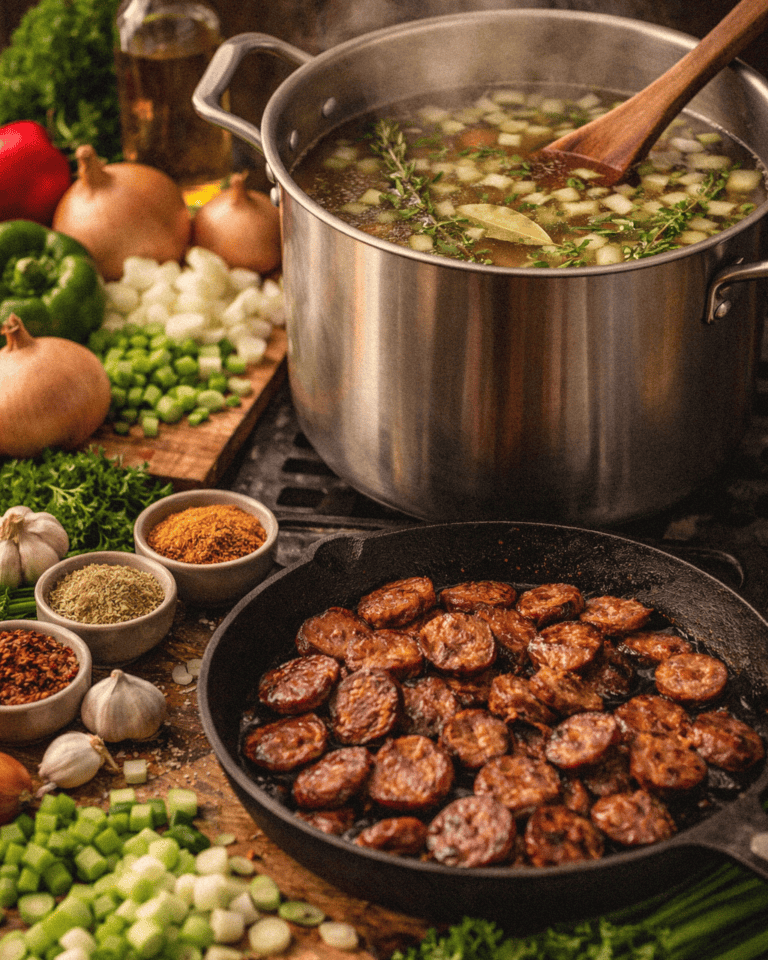
Cook your onions, bell peppers, celery, garlic, meats, and seasonings completely before adding liquid and rice.
Bring to a Gentle Boil
Allow the broth to reach a steady boil before stirring in the rice.
Stir Only Once
After adding the rice, stir thoroughly one time to distribute it evenly.
Constant stirring breaks the grains apart and releases starch, leading to sticky jambalaya.
Reduce to Low Heat
Once the rice is added and stirred, reduce the heat to low, cover the pot, and let it cook slowly.
Leave the Lid Closed (Most Important)
Every time you remove the lid, steam escapes.
That steam is what cooks the rice evenly.
Let It Rest
After the rice is finished cooking, remove the pot from the heat and let it rest, covered, for 10 to 15 minutes.
This final resting period allows the remaining moisture to distribute evenly throughout the pot.
Fluff Gently
Use a large spoon or paddle to gently turn the rice from the bottom upward.
Avoid aggressive stirring.
Common Jambalaya Rice Mistakes
- Using too much liquid
- Cooking over high heat
- Stirring too often
- Removing the lid repeatedly
- Adding rice before building flavor
- Overcooking after the liquid has been absorbed
- Using the wrong variety of rice
Frequently Asked Questions
What is the best rice for authentic Cajun jambalaya?
Long grain white rice is the traditional choice because it stays fluffy while absorbing the rich flavors of the dish.
Can I use jasmine rice?
Yes, but it cooks softer and becomes sticky more easily than long grain white rice.
Should jambalaya rice be sticky?
No. Properly cooked jambalaya should have individual grains that remain separate while still being tender and full of flavor.
Should I rinse the rice first?
Most Louisiana cooks do not rinse long grain rice for jambalaya, although a quick rinse is acceptable if needed.
How long should jambalaya rest after cooking?
Allow it to rest, covered, for about 10 to 15 minutes before fluffing and serving.
Final Thoughts
The best jambalaya starts with quality long grain white rice, proper liquid measurements, and patience. Brown your meats well, build deep flavor before adding the rice, resist the urge to stir, and allow the pot to rest before serving. Master these simple techniques, and you’ll consistently produce fluffy, flavorful Louisiana jambalaya with perfectly cooked rice every time.
Related Articles