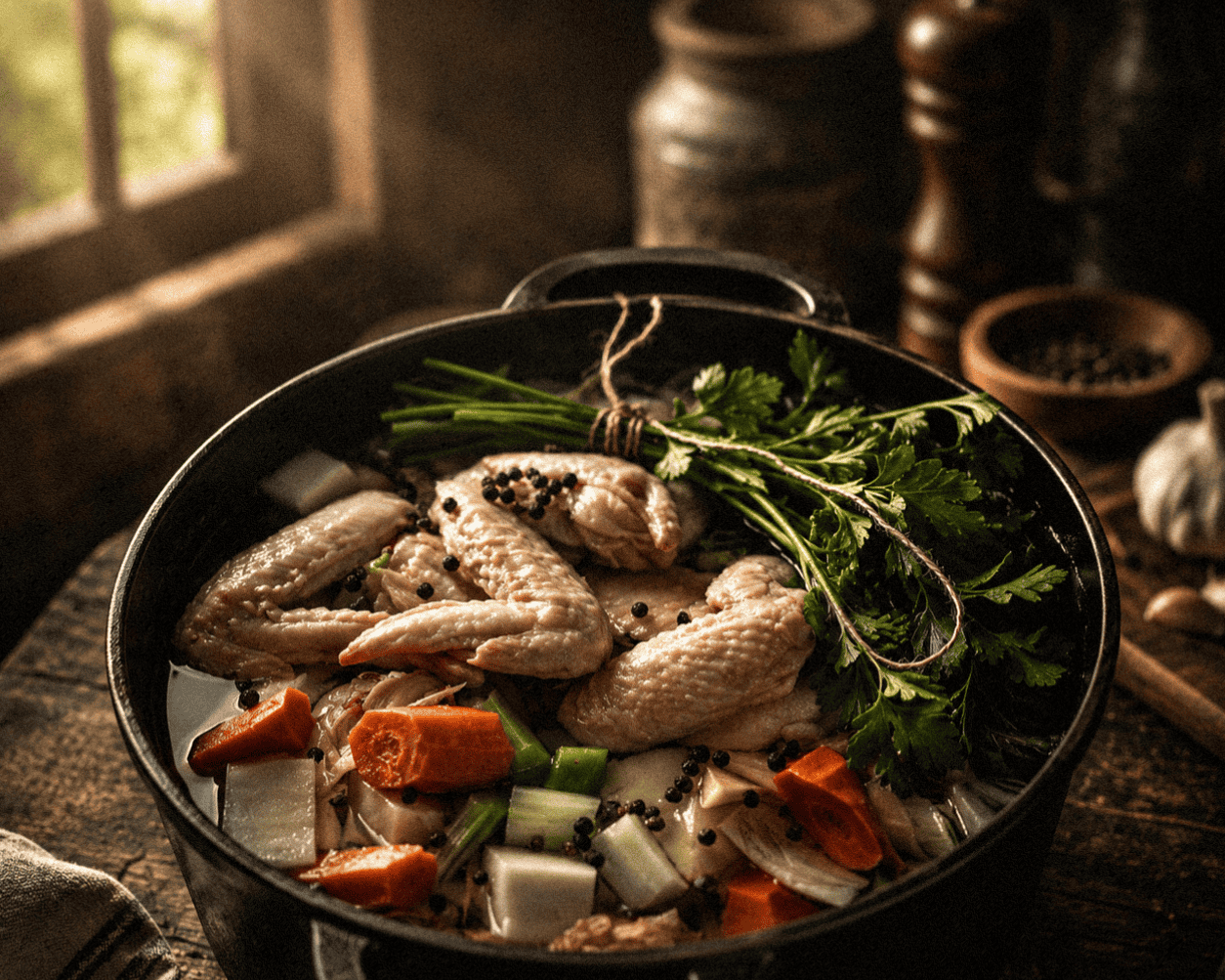
The Guide to Making Stock: Chicken, Beef, Seafood & Vegetable
A great stock is the foundation of countless recipes, adding depth, richness, and flavor that simply can’t be matched by most store-bought options. Whether you’re making gumbo, soups, stews, sauces, gravies, risotto, or braised dishes, learning how to make homemade stock is one of the most valuable skills a home cook can master. From hearty beef stock and flavorful chicken stock to delicate seafood stock and versatile vegetable stock, each variety brings its own unique character to the kitchen.
In this complete guide, you’ll learn the differences between the most common types of stock, the best ingredients to use, proper simmering techniques, and tips for creating clear, flavorful results every time. We’ll cover how to make beef, chicken, seafood, and vegetable stocks from scratch, along with storage methods, common mistakes to avoid, and ways to use homemade stock to elevate your favorite recipes. Whether you’re cooking Louisiana classics like gumbo and étouffée or everyday comfort food, a well-made stock is the secret ingredient that takes your cooking to the next level.
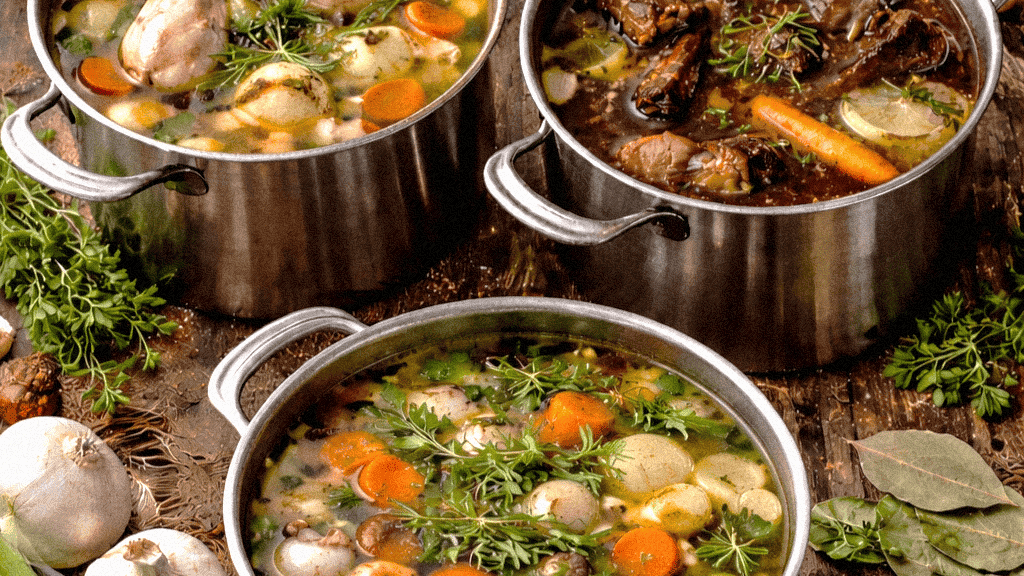
How to Make Homemade Stock: Chicken, Beef, Seafood & Vegetable Stock
Great Louisiana cooking starts long before the roux hits the pot. Whether you’re making gumbo, jambalaya, rice and gravy, or a hearty soup, homemade stock provides the rich foundation that separates good cooking from unforgettable cooking. While store-bought stock is convenient, nothing compares to the depth of flavor, natural body, and authenticity that comes from making your own.
What Is Stock?
Stock is a flavorful liquid made by slowly simmering bones, vegetables, herbs, and aromatics in water. Unlike broth, which is typically made with meat, stock relies heavily on bones to create depth, body, and natural collagen.
In Louisiana cooking, stock serves as the foundation for countless dishes, including:
- Gumbo
- Étouffée
- Jambalaya
- Red beans and rice
- Smothered meats
- Gravies
- Soups and stews
A great stock adds richness, flavor, and authenticity to every recipe it touches.
Chicken Stock
Chicken stock is the everyday workhorse of Louisiana kitchens.
What You’ll Need
- Chicken backs, wings, necks, or carcasses
- Onion
- Celery
- Carrots
- Garlic
- Bay leaves
- Whole black peppercorns
- Fresh thyme or parsley
How to Make Chicken Stock
Place the bones in a large stockpot.
Cover with cold water by 1–2 inches.
Slowly bring to a gentle simmer.
Skim the foam from the surface.
Simmer for 3–4 hours.
Strain and cool.
Best Uses
- Chicken and sausage gumbo
- Jambalaya
- White beans
- Rice dishes
- Cream-based soups
Beef Stock
Beef stock delivers deep, rich flavor and is ideal for hearty Louisiana comfort food.
What You’ll Need
- Beef marrow bones
- Knuckle bones
- Onion
- Carrots
- Celery
- Garlic
- Bay leaves
- Black peppercorns
- Tomato paste (optional)
How to Make Beef Stock
Roast the bones at 400°F for 30–45 minutes.
Transfer the bones to a stockpot.
Cover with cold water.
Simmer gently for 6–8 hours.
For maximum depth, cook up to 12 hours.
Strain and cool.
Best Uses
- Rice and gravy
- Beef stew
- Smothered pork chops
- Onion gravy
- Brown sauces
Seafood Stock
Seafood stock is one of the most important ingredients in Louisiana seafood cooking.
What You’ll Need
- Shrimp shells
- Crab shells
- Fish trimmings (bones, heads, skin, cleaned) optional
- Onion
- Celery
- Garlic
- Bay leaves
- Lemon slices
- Parsley
Avoid using oily or strongly flavored fish.
How to Make Seafood Stock
Sauté the shells briefly in oil.
Add the vegetables and aromatics.
Cover with water.
Simmer gently for 30–45 minutes.
Strain immediately.
Important: Do not overcook seafood stock. Long cooking times can create bitterness.
Best Uses
- Seafood gumbo
- Shrimp étouffée
- Crawfish bisque
- Crab soup
- Seafood sauces
Vegetable Stock
Vegetable stock provides a lighter option while still delivering excellent flavor.
What You’ll Need
- Onion
- Carrots
- Celery
- Garlic
- Mushrooms
- Parsley stems
- Bay leaves
- Black peppercorns
Avoid bitter vegetables such as:
- Broccoli
- Cabbage
- Brussels sprouts
How to Make Vegetable Stock
Roughly chop the vegetables.
Cover with water.
Simmer for 45–60 minutes.
Strain and cool.
Best Uses
- Vegetarian soups
- Rice dishes
- Light gravies
- Vegetable-based recipes
Louisiana Stock-Making Tips
- Always start with cold water.
- Simmer gently instead of boiling.
- Skim foam early for cleaner flavor.
- Avoid heavily salting the stock.
- Use bones with joints for extra collagen.
- Roast bones for deeper flavor.
- Use fresh herbs whenever possible.
- Cool the stock quickly after cooking.
These small details make a noticeable difference in the finished product.
Stock vs. Broth
Many people use the terms interchangeably, but there are important differences.
Stock
- Made primarily from bones
- Simmered for longer periods
- Contains more collagen
- Richer texture and body
Broth
- Made primarily from meat
- Shorter cooking time
- Lighter texture
- More commonly served on its own
For traditional Cajun and Creole cooking, stock is usually the better choice.
How to Store Homemade Stock
Proper storage helps preserve both flavor and food safety.
Refrigerator
- Cool completely before storing.
- Use airtight containers.
- Store for 3–4 days.
Freezer
- Freeze in quart containers or freezer bags.
- Leave room for expansion.
- Store for 3–6 months.
Pro Tip: Freeze stock in ice cube trays for small portions when cooking sauces or adding flavor to recipes.
Fat Cap Method
After refrigeration, the fat will rise and harden on top.
Benefits include:
- Natural protection from air exposure
- Extended freshness
- Easy removal before reheating
Why Homemade Stock Matters
Homemade stock is one of the biggest differences between average cooking and exceptional cooking.
Benefits include:
- Deeper flavor
- Better texture
- More collagen
- Greater control over ingredients
- Authentic Louisiana character
Whether you’re making gumbo, étouffée, rice and gravy, or soup, homemade stock elevates every dish.
Common Stock-Making Mistakes
Avoid these common mistakes:
- Boiling instead of simmering
- Adding too much salt
- Using weak bones
- Skipping the skimming process
- Overcooking seafood stock
- Not straining properly
- Rushing the cooking time
Taking your time and using quality ingredients will produce a cleaner, richer stock every time.
Frequently Asked Questions
What is the difference between stock and broth? Stock is made primarily from bones and contains more collagen, while broth is usually made from meat and has a lighter texture.
How long should stock simmer? Chicken stock typically simmers for 3–4 hours, beef stock for 6–12 hours, seafood stock for 30–45 minutes, and vegetable stock for 45–60 minutes.
Can homemade stock be frozen? Yes. Properly stored stock can be frozen for 3–6 months.
Why should stock start with cold water? Cold water slowly extracts collagen, minerals, and flavor from the bones, producing a richer finished stock.
Can I use store-bought stock? Yes, but homemade stock almost always provides deeper flavor, better texture, and more control over ingredients.
Related Articles
The Art of Making Roux – Learn Louisiana’s most important flavor-building technique and the foundation of countless Cajun and Creole dishes.
What Is the Holy Trinity in Louisiana Cooking? – Discover the vegetable base behind gumbo, jambalaya, étouffée, and many other Louisiana favorites.
Chicken and Sausage Gumbo Recipe – Put your homemade chicken stock to work in one of Louisiana’s most iconic dishes.
Louisiana Seafood Gumbo Recipe – Learn how homemade seafood stock creates authentic Gulf Coast flavor.
How to Build Deep, Authentic Flavor in Louisiana Jambalaya – Explore the cooking techniques that transform simple ingredients into restaurant-quality jambalaya.
Final Thoughts
Learning how to make homemade stock is one of the best investments you can make as a cook. Whether you’re simmering chicken bones for gumbo, roasting beef bones for rich gravies, or saving shrimp shells for seafood stock, each batch builds a stronger foundation for your cooking. Once you start making your own stock, you’ll immediately notice the difference in flavor, texture, and depth that defines authentic Louisiana cuisine.