Creating Better Whitetail Habitat on Your Land
Creating better whitetail habitat is one of the most effective ways landowners can improve deer health, increase carrying capacity, and create more consistent hunting opportunities. While food plots often get the most attention, quality whitetail habitat depends on a combination of food, cover, bedding areas, water sources, and proper land management practices that allow deer to thrive year-round.
In this guide, we’ll explore proven strategies for improving whitetail habitat on your property, from establishing native browse and creating bedding cover to managing timber and planting effective food sources. Whether you own a few acres or manage a large hunting property, these habitat improvement techniques can help attract more deer, support healthier herds, and enhance the overall wildlife value of your land for years to come.
Creating Better Whitetail Habitat on Your Land
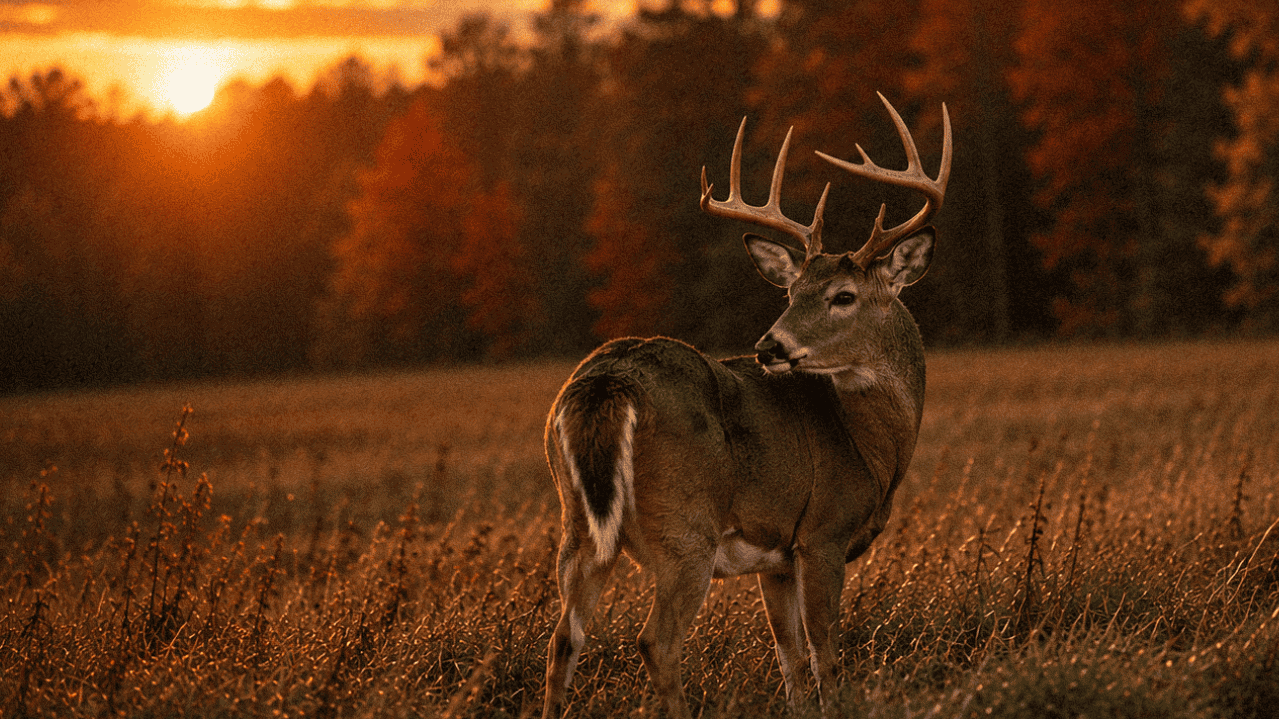
Building better whitetail habitat is one of the best long-term investments a landowner can make. Better habitat helps deer feel safer, eat better, move more naturally, and spend more time on your property. Instead of relying only on food plots, the best properties combine cover, native browse, water, timber management, and low hunting pressure into one complete system.
Start With a Habitat Assessment
Before cutting trees, burning timber, or planting food plots, take time to evaluate what your property already provides for deer.
Ask yourself:
- Is sunlight reaching the forest floor?
- Are native browse plants present or suppressed?
- Do deer have both bedding cover and feeding areas?
- Is water available year-round?
- Where do deer feel hunting pressure?
A quality whitetail property provides four essentials:
- Food
- Cover
- Water
- Security
The closer these resources are to one another, the more attractive your property becomes.
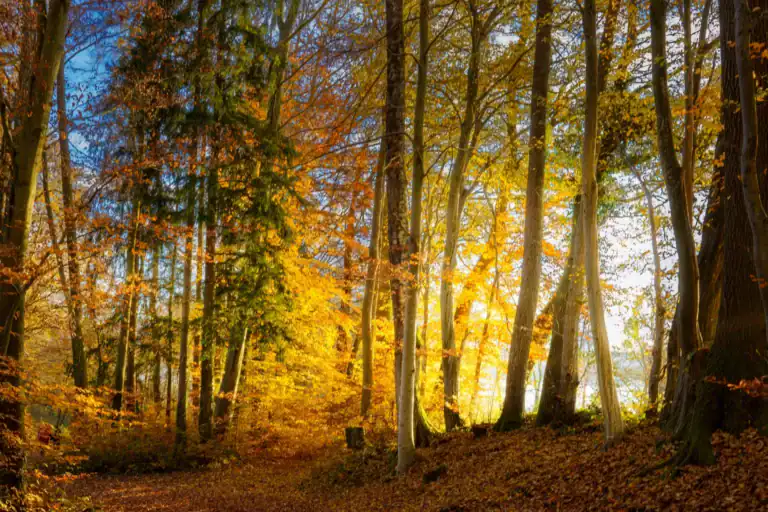
Thin Timber to Let Sunlight Reach the Ground
Overcrowded timber is one of the biggest habitat problems across the South. Dense canopies block sunlight, which prevents native vegetation from growing on the forest floor.
Benefits of Timber Thinning
- Encourages native browse species
- Increases bedding cover
- Improves overall forest health
- Boosts fawn survival
- Creates better wildlife diversity
Timber Thinning Tips
- Focus on selective thinning rather than clear-cutting
- Remove low-value and competing trees
- Retain oak, persimmon, and other mast-producing species
- Create uneven spacing and natural travel corridors
If sunlight is not reaching the ground, deer food is not growing.
Prescribed Burning: Nature’s Habitat Tool
Few habitat improvements produce results as quickly as prescribed fire. When used properly, controlled burning rejuvenates native vegetation and improves forage quality.
Benefits of Prescribed Fire
- Stimulates fresh, protein-rich browse
- Reduces invasive species
- Improves deer travel routes
- Creates diverse bedding cover
- Increases plant diversity
Burning Tips
- Burn in rotations instead of burning the entire property at once
- Use late winter burns to encourage strong spring forage
- Hire trained professionals when needed
- Follow all local regulations and weather conditions
Freshly burned areas often attract deer within days.
Food Plot Planning
Food plots work best when they are placed strategically instead of simply made larger. The goal is to support natural movement, not replace native habitat.
Smart Food Plot Strategies
- Plant smaller plots near bedding areas
- Use irregular shapes instead of perfect squares
- Create hidden plots that encourage daylight movement
- Mix annual and perennial plantings
- Use food plots to supplement natural habitat
Popular Southern Food Plot Crops
- Clover
- Chicory
- Oats
- Wheat
- Winter peas
- Native browse
Food plots should enhance natural habitat, not replace it.
Break Up Large Food Plots with Screening Cover
Large, open food plots may attract deer after dark, but mature bucks are often reluctant to step into wide-open spaces during daylight. If a buck can see the entire field from the timber edge, he has little reason to expose himself before dark.
Breaking up larger food plots with strips of tall native grasses or screening vegetation creates a greater sense of security by limiting a deer’s line of sight.
Benefits of Screening Cover
- Encourages more daylight buck movement
- Creates multiple entry and exit routes
- Reduces the amount of open ground deer must cross
- Helps mature bucks feel more secure
- Allows several deer to feed without seeing the entire field
Many experienced land managers intentionally divide large plots into smaller “rooms” using tall grasses or screening crops. Instead of one large opening, deer move from one protected section to another, increasing the likelihood of daylight activity.
Best Screening Plants
Several plants work well for breaking up food plots and creating visual barriers.
Popular options include:
- Switchgrass
- Egyptian wheat
- Miscanthus grass
- Sorghum
- Native warm-season grasses
Plant these strips 8–20 feet wide depending on the size of your field. Even relatively narrow screening strips can dramatically change how mature bucks use a food plot.
A food plot should make deer feel comfortable—not exposed. The more secure a mature buck feels while entering and feeding, the more likely he is to visit during legal shooting light.
Plant Summer Food Plots
Summer food plots provide deer with the high-protein nutrition they need during antler growth, fawn development, and recovery after winter. While native browse makes up much of a deer’s diet, well-managed food plots can significantly improve nutrition during the hottest months of the year.
Warm-season crops such as soybeans, cowpeas, lablab, forage peas, and alyceclover are excellent choices because they’re packed with protein and highly attractive to deer. Plant plots where they receive plenty of sunlight, perform a soil test before planting, and apply lime and fertilizer as recommended for the best growth.
For maximum benefit, plant enough acreage to withstand heavy browsing. Small plots can be eaten down quickly, while larger or multiple plots provide a steady food source throughout the summer and help keep deer using your property year-round.
Create More Edge Habitat
Whitetails thrive where different habitat types meet. These transition areas create feeding, bedding, and travel opportunities.
Examples include:
- Woods and fields
- Thick cover and openings
- Bedding areas and feeding zones
Ways to Increase Edge Habitat
- Feather timber edges
- Leave brush piles from thinning projects
- Plant screening cover
- Create natural funnels and transition zones
More edge often leads to better daylight deer movement.
Build Better Bedding Areas
If deer do not feel safe, they will not spend much time on your property. Bedding cover is one of the most important pieces of quality deer habitat.
Bedding Area Tips
- Establish no-entry sanctuary zones
- Encourage thick native regrowth
- Position bedding near food and water
- Avoid placing stands too close
- Minimize disturbance
Security is often more important than food.
Manage Hunting Pressure
Even excellent habitat can be ruined by too much pressure. Mature bucks survive by avoiding areas where they feel threatened.
Pressure Management Tips
- Limit access routes
- Rotate stand locations
- Hunt only with favorable wind conditions
- Avoid excessive trail camera checks
- Leave core areas undisturbed
The less pressure deer feel, the more likely they are to move during daylight.
Use Trail Cameras Wisely
Trail cameras should gather information without educating deer. Poor camera placement and frequent checks can do more harm than good.
Best Camera Practices
- Place cameras along trails and field edges
- Monitor scrape lines and travel corridors
- Avoid bedding areas
- Use low-glow or no-glow cameras
- Check cameras only when necessary
The goal is information, not intrusion.
Plant Native Grasses for Bedding Cover
One of the most overlooked habitat improvements is planting grasses for bedding and security cover. Unlike food plots, native grasses are designed to make deer feel safe.
Benefits of Native Grass Plantings
- Excellent bedding cover
- Improved fawning habitat
- Thermal protection
- Screening from roads and access trails
- Increased daytime deer movement
Food attracts deer. Cover keeps them.
Best Grasses for Southern Whitetail Habitat
Native warm-season grasses provide the height and structure deer prefer for bedding and security.
Popular choices include:
- Switchgrass
- Big bluestem
- Little bluestem
- Indiangrass
- Eastern gamagrass
A diverse mix often performs better than a single-species planting.
Where to Plant Bedding Grasses
Placement matters more than acreage. Small grass plantings can often outperform larger fields when they are positioned correctly.
Ideal locations include:
- Between food plots and timber
- Along property boundaries
- Near travel corridors
- Inside sanctuary areas
- Along roads and access trails
Strategic cover can help deer feel safe moving during daylight.
Native Grass Management Tips
Native grasses require patience, but they offer long-term rewards when managed correctly.
Establishment Tips
- Prepare the seedbed properly
- Control weeds early
- Plant during late spring
- Avoid over-seeding
- Be patient during the first year
Long-Term Maintenance
- Burn every 2–4 years
- Rotate burns across the property
- Avoid annual disturbance
- Maintain multiple bedding options
Prescribed fire works exceptionally well with native grass management.
Combine Habitat Improvements for Maximum Results
The best habitat projects work together as a complete system. One improvement helps, but several improvements working together can transform a property.
Combine:
- Timber thinning
- Prescribed fire
- Native grasses
- Food plots
- Edge feathering
- Sanctuary areas
When all pieces work together, deer spend more time on your property and move more naturally.
Long-Term Habitat Success
Quality deer habitat is built over years, not weekends. The best results come from consistent, thoughtful management.
Focus on:
- Consistent timber management
- Rotational prescribed burning
- Healthy soils
- Native plant diversity
- Responsible hunting pressure
Over time, you may see:
- Healthier deer
- Better body weights
- Improved antler growth
- Increased fawn recruitment
- More daylight movement
Habitat Improvement Tips
A few simple principles can guide nearly every habitat decision.
- Let sunlight reach the forest floor
- Focus on native vegetation first
- Create security cover before expanding food plots
- Protect sanctuary areas
- Think long-term rather than seasonal
- Use prescribed fire whenever possible
- Plant native grasses for bedding cover
Frequently Asked Questions
What is the most important factor in deer habitat? Security cover is often the most important factor. Deer need areas where they feel safe from predators and hunting pressure.
Should I plant food plots or improve natural habitat first? Improving natural habitat usually provides greater long-term benefits than food plots alone.
How often should timber be thinned? This varies by property, but many timber stands benefit from thinning every 10–15 years.
Are native grasses better than food plots for holding deer? Native grasses provide security and bedding cover, while food plots provide nutrition. The best properties include both.
Does prescribed burning help deer habitat? Yes. Prescribed fire stimulates fresh browse, improves plant diversity, and creates excellent bedding and feeding habitat.
Related Articles
The Myth of Culling Bucks on Free-Range Whitetails – Learn what actually influences herd quality, antler genetics, and long-term deer management.
Spring Bass Fishing on Toledo Bend – Discover one of Louisiana’s premier outdoor fishing experiences and learn how to target bass during spring.
Public Land Duck Hunting in Louisiana – Get tips for finding and hunting productive public land waterfowl areas across Louisiana.
Louisiana Moon Phases for Hunting and Fishing – Explore how moon phases may influence wildlife movement, feeding activity, and outdoor success.
Final Thoughts
Building better whitetail habitat is not about spending the most money. It is about making smart improvements that work with the land. By combining timber thinning, prescribed fire, native grasses, strategic food plots, and low hunting pressure, you can turn average hunting property into quality year-round deer habitat. Stay patient, think long-term, and let the habitat do the work.