Using Curing Salts in Sausage Making: A Complete Guide
Curing salts play a critical role in many types of sausage making, helping preserve meat, prevent harmful bacteria growth, and develop the distinctive flavor and color associated with smoked and cured sausages. While many beginners find curing salts confusing, understanding when and how to use them is essential for producing safe, high-quality products such as andouille, smoked sausage, summer sausage, snack sticks, and other cured meats. Using the correct curing salt at the proper rate not only improves shelf life but also helps create the texture and appearance that sausage makers strive for.
In this guide, you’ll learn the differences between curing salt #1 and curing salt #2, when each should be used, proper usage rates, and important safety considerations every sausage maker should know. Whether you’re making your first batch of smoked sausage or expanding into long-term cured products, understanding curing salts will help you produce safer, more flavorful sausages with confidence.
What Are Curing Salts?
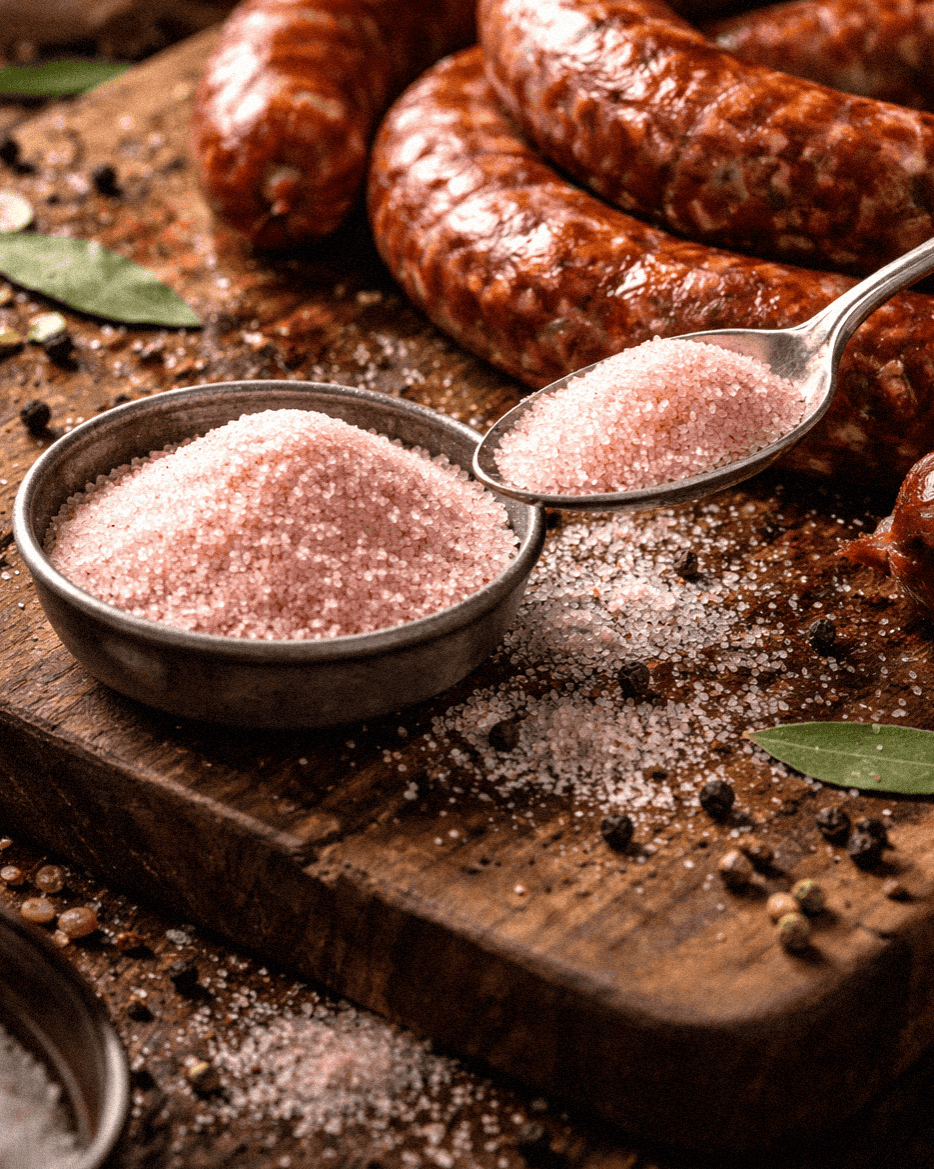
Curing salts are specialized blends of salt and sodium nitrite (and sometimes sodium nitrate) used to preserve meat, prevent harmful bacterial growth, and create the classic pink color associated with smoked and cured meats.
They are not the same as table salt, kosher salt, or Himalayan salt. Curing salts are dyed pink to prevent accidental misuse and must always be measured accurately.
Types of Curing Salts Used in Sausage Making
Prague Powder #1 (Pink Cure #1)
Also known as:
- Cure #1
- Insta Cure #1
- Pink Cure
Used for:
- Smoked sausage
- Andouille
- Smoked venison sausage
- Deer snack sticks
- Hot dogs
- Smoked wild hog sausage
Prague Powder #1 contains sodium nitrite and is intended for meats that will be smoked or cooked within a relatively short period.
Use Cure #1 when your sausage will be smoked below 200°F and cooked within a few days.
Prague Powder #2 (Pink Cure #2)
Used for:
- Dry-cured sausage
- Salami
- Pepperoni
- Long-fermented products
Prague Powder #2 contains both sodium nitrite and sodium nitrate, allowing protection during extended curing periods.
Use Cure #2 when products will be air-dried or cured for weeks or months.
Why Curing Salt Matters in Louisiana Sausage
Smoked sausage is a staple throughout Louisiana. From andouille in gumbo to homemade deer sausage after hunting season, curing salt plays an important role in both safety and flavor.
Benefits include:
- Preventing botulism during low-temperature smoking
- Maintaining the classic pink smoked color
- Improving shelf life
- Developing deeper cured flavor
- Protecting sausage during long smoke sessions
When smoking sausage below 225°F, Cure #1 is highly recommended for safety.
Proper Curing Salt Ratios
Accurate measurements are critical.
Standard Cure #1 Ratio
- 1 level teaspoon per 5 pounds of meat
Or
- 0.25% of total meat weight
Examples
- 5 pounds of meat = 1 teaspoon Cure #1
- 10 pounds of meat = 2 teaspoons Cure #1
- 25 pounds of meat = 5 teaspoons Cure #1
Never estimate curing salt amounts. Always measure carefully.
How to Use Curing Salt in Sausage
Step 1: Weigh Your Meat
Use a digital scale whenever possible for accuracy.
Step 2: Measure Cure Precisely
Use level teaspoons or weigh the cure according to manufacturer recommendations.
Step 3: Mix Thoroughly
Blend curing salt with your dry seasonings before adding to the meat mixture. This helps ensure even distribution throughout the batch.
Step 4: Rest the Sausage Mixture
Allow the mixture to rest in the refrigerator for 12–24 hours before stuffing or smoking.
This helps:
- Distribute cure evenly
- Improve flavor development
- Improve color formation
Step 5: Smoke Safely
Most Louisiana smoked sausages are smoked between:
- 160°F and 180°F smoker temperature
- 152°F–155°F internal sausage temperature
Safety Tips for Using Curing Salts
Follow these guidelines every time:
- Never substitute curing salt for regular salt
- Keep curing salts away from children
- Do not exceed recommended amounts
- Clearly label all curing products
- Store in a cool, dry place
- Double-check measurements before mixing
Too much curing salt can be dangerous. Proper use makes sausage safe and delicious.
When You Do NOT Need Curing Salt
Not every sausage recipe requires cure.
You generally do not need curing salt for:
- Fresh breakfast sausage
- Fresh Italian sausage
- Ground sausage for immediate cooking
- Sausage that will be cooked right away
A simple rule:
Fresh sausage = no cure required
Smoked sausage below 200°F = use Cure #1
Common Louisiana Sausage Applications
Curing salts are commonly used in:
- Smoked pork sausage
- Deer sausage
- Venison and pork blends
- Andouille sausage
- Wild hog sausage
- Deer snack sticks
- Summer sausage
If you’re smoking sausage for the freezer after hunting season, curing salt is usually part of the process.
Common Mistakes to Avoid
Avoid these common sausage-making errors:
- Guessing cure measurements
- Using table salt instead of curing salt
- Uneven mixing
- Smoking at low temperatures without cure
- Skipping the resting period before stuffing
- Failing to monitor internal temperatures
Small mistakes can have a major impact on both safety and quality.
Frequently Asked Questions
Is curing salt the same as pink Himalayan salt?
No. Pink Himalayan salt is a natural mineral salt. Cure #1 and Cure #2 contain sodium nitrite and are specifically designed for meat curing.
Can I use curing salt in fresh sausage?
You can, but it is usually unnecessary if the sausage will be cooked immediately.
What happens if I use too much curing salt?
Too much curing salt can make the sausage unsafe to eat. Always follow recommended ratios and measure carefully.
Do I need curing salt for deer sausage?
If the deer sausage will be smoked below 200°F, Cure #1 is strongly recommended.
What is the difference between Cure #1 and Cure #2?
Cure #1 is used for smoked and cooked products. Cure #2 is used for long-term dry-cured products such as salami and pepperoni.
Related Articles
- The Ultimate Louisiana Sausage Making Guide – Learn the complete process of grinding, mixing, stuffing, and smoking homemade sausage.
- Smoked Deer Sausage Recipe (60/40 Venison Blend) – A traditional Louisiana smoked venison sausage recipe built for the smoker.
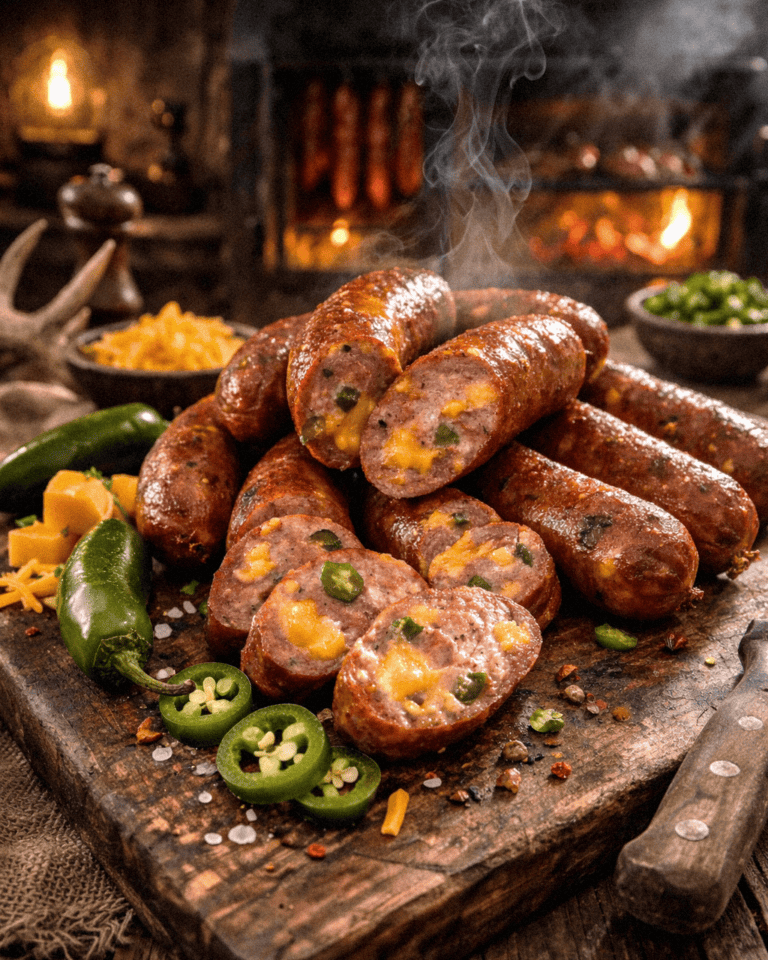
- Jalapeño Cheddar Deer Sausage Recipe – Add fresh jalapeños and high-temp cheddar for one of the most popular sausage variations.
- Green Onion Smoked Deer Sausage – A South Louisiana favorite loaded with green onions and Cajun flavor.
- Smoked Summer Deer Sausage Recipe – Learn how to make traditional summer sausage with the perfect texture and seasoning.
Final Thoughts
Understanding curing salts is one of the most important skills in sausage making. When used properly, Cure #1 helps protect your sausage, improve flavor, enhance color, and ensure safe low-temperature smoking. Whether you’re making andouille, deer sausage, wild hog sausage, or summer sausage, mastering curing salts is an essential part of authentic Louisiana sausage making.