Spring Sac-a-Lait Fishing in Louisiana: How to Catch Them in Lake
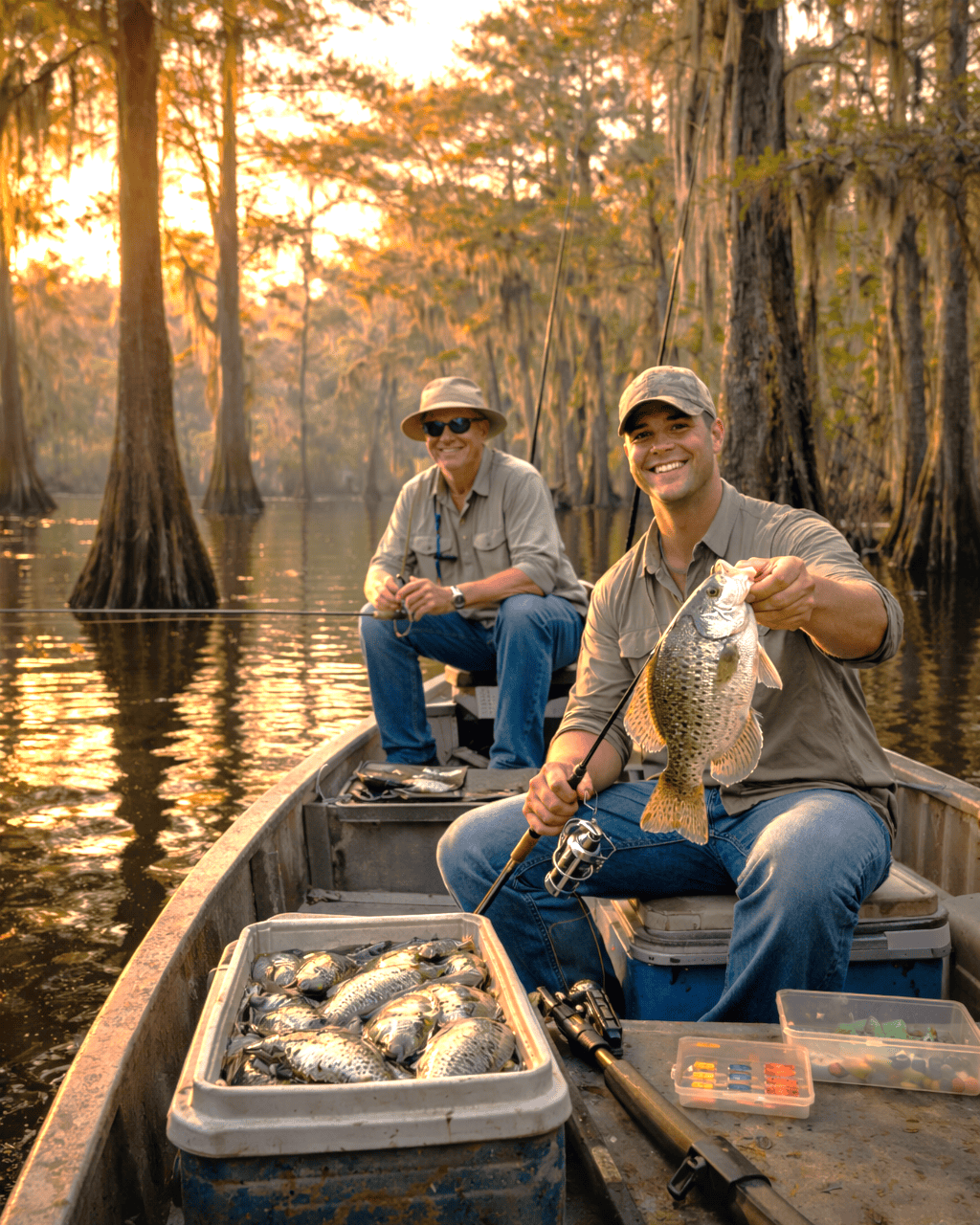
Spring sacalait fishing in Louisiana is one of the most anticipated fishing seasons of the year. As water temperatures begin to warm, sacalait, also known as crappie or white perch, move into shallow waters to spawn, creating excellent opportunities for anglers across the state. From the cypress-lined waters of the Atchafalaya Basin to popular destinations like Toledo Bend, Lake D’Arbonne, Poverty Point Reservoir, and countless bayous and oxbow lakes, Louisiana offers some of the best sacalait fishing in the South.
Whether you’re a seasoned angler or planning your first spring fishing trip, understanding where sacalait move, what baits to use, and how changing weather conditions affect their behavior can dramatically increase your success. In this guide, we’ll cover the best spring sacalait fishing tips, proven techniques, top Louisiana fishing destinations, and everything you need to know to catch more crappie during the peak spring spawning season.
Why Spring Is the Best Time to Catch Sac-a-Lait
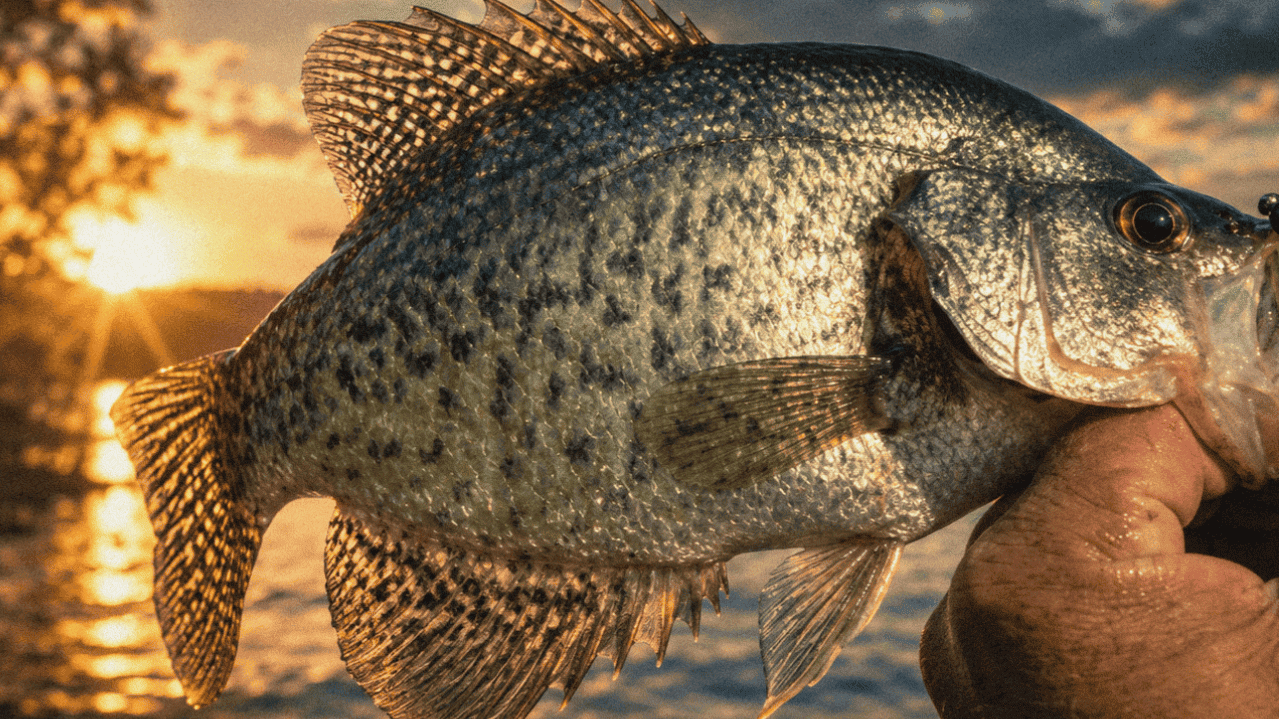
Spring is the most popular time of year to target sac-a-lait in Louisiana. As water temperatures rise, fish move from deeper winter areas into shallow spawning habitat.
In most parts of Louisiana, the spring spawn occurs between late February and April. However, weather patterns, water levels, and regional conditions can shift the timing slightly each year.
During this period, sac-a-lait feed aggressively and often group together in large numbers. As a result, anglers who locate one fish frequently find an entire school nearby.
Key Spring Conditions
- Water temperatures between 55°F and 68°F
- Rising water levels in lakes and basins
- Increased baitfish activity
- Fish moving into shallow spawning areas
Because fish concentrate during the spawn, spring offers some of the best sac-a-lait fishing of the year.
Where to Find Sac-a-Lait in Spring
Locating fish is often more important than lure selection. Fortunately, spring sac-a-lait follow predictable patterns. As water temperatures begin to warm in late winter and early spring, sacalait (crappie) move from deeper water into shallow areas to spawn, making this one of the best times of year to catch them in Louisiana. Look for fish around flooded cypress trees, submerged timber, brush piles, fallen logs, boat docks, and creek channels in 2 to 8 feet of water. Popular destinations include the Atchafalaya Basin, Toledo Bend Reservoir, Lake D’Arbonne, Caney Lake, Poverty Point Reservoir, Caddo Lake, Henderson Lake, and Lake Verret, all known for producing excellent spring sacalait fishing. On sunny days, darker-bottomed coves and protected backwaters often warm first, attracting baitfish and hungry crappie. Focus on areas with plenty of cover, fish slowly, and once you locate a school, there’s a good chance many more sacalait are holding nearby.
Cypress Trees and Flooded Timber
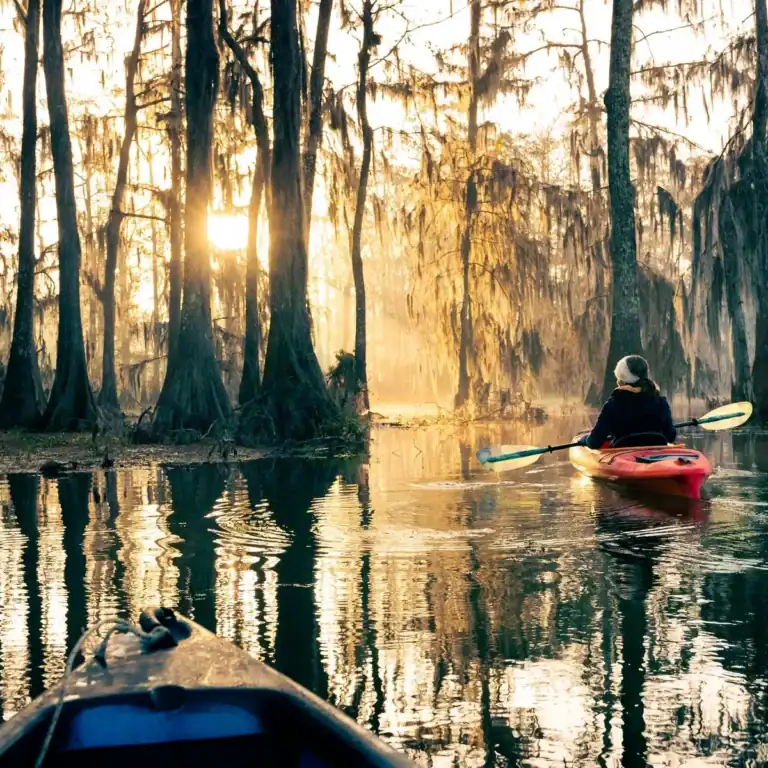
Cypress trees remain some of the best spring habitat in Louisiana. Fish commonly hold near tree bases, cypress knees, and shaded pockets.
Look for:
- Water depths of 2 to 6 feet
- Protected areas with little current
- Dark water that warms quickly
Shallow Flats Near Deep Water
Before spawning, sac-a-lait often stage on shallow flats close to deeper channels.
Target:
- Flats near creek channels
- Basin edges
- Drops leading into spawning areas
These locations serve as transition routes between winter and spawning habitat.
Brush Piles and Structure
Brush piles attract fish throughout the year. During spring, however, sac-a-lait often suspend above the cover rather than burying deep inside it.
Use electronics whenever possible and focus on fishing just above the structure.
Best Spring Sac-a-Lait Fishing Techniques
Several techniques consistently produce fish during the spring spawn. One of the most effective ways to catch spring sacalait is by fishing slowly around cover where they gather to spawn. Small tube jigs, curly-tail grubs, marabou jigs, and live shiners are all proven producers. Many Louisiana anglers prefer using a long jig pole to “dabble” or “dip” a bait directly beside cypress trees, brush piles, and submerged timber, allowing for precise presentations without spooking the fish. Others use spider rigging to cover open water before moving in on active schools. During the spawn, a slow retrieve is usually more productive than working a lure quickly, as sacalait often strike a bait that remains in the strike zone longer. Pay close attention to your electronics when fishing deeper water, and if you catch one fish, continue working the area thoroughly—sacalait typically school together, so finding one often means there are many more nearby.
Jig Fishing
Jig fishing remains one of the most effective ways to catch spring sac-a-lait.
Best Setup
- 1/16 to 1/32-ounce jig heads
- Chartreuse, white, or black/chartreuse plastics
- Slow vertical presentations
In many cases, slowing down will immediately increase bites.
Spider Rigging
Spider rigging helps anglers cover large areas and quickly locate active schools.
Why It Works
- Multiple rods cover multiple depths
- Excellent for pre-spawn fish
- Covers water efficiently
A trolling speed between 0.3 and 0.6 mph typically works best.
Live Minnows
When fish become finicky, live minnows often save the day.
Popular Presentations
- Slip corks around shallow cover
- Tight-lining near cypress trees
- Minnow and jig combinations
Minnows are especially productive after cold fronts and during high-pressure conditions.
Casting to Beds
As fish move fully into spawning areas, anglers can sometimes target visible beds.
Focus on:
- Hard bottoms
- Protected pockets
- Sunlit spawning areas
- Areas near shallow cover
When conditions line up, limits can happen quickly.
Targeting Sac-a-Lait by Water Type
Different Louisiana waters require slightly different approaches. Different Louisiana waters require different approaches, but understanding how sacalait use each habitat can dramatically improve your success. In cypress swamps like the Atchafalaya Basin and Henderson Lake, focus on flooded cypress trees, knees, laydowns, and shallow pockets where fish move to spawn. In reservoirs such as Toledo Bend, Caney Lake, and Lake D’Arbonne, target brush piles, submerged timber, creek channels, and boat docks, especially where deeper water is close to spawning flats. On rivers and bayous, look for slower-moving backwaters, oxbows, canal mouths, and protected coves that warm more quickly than the main current. Regardless of the body of water, sacalait are attracted to structure and cover, so concentrate your efforts around areas that provide protection and easy access to deeper water. As spring progresses, fish will move shallower to spawn before gradually returning to deeper structure once the spawning season ends.
Louisiana Lakes
In lakes, focus on:
- Shallow coves
- Grass lines
- Brush piles near spawning flats
- Wind-blown shorelines
These areas often hold the most active fish.
Louisiana Basins and Swamps
Basins and swamps generally warm faster than large lakes.
Target:
- Dead-end canals
- Backwater pockets
- Isolated cypress stands
- Areas away from strong current
These locations frequently produce early-season action.
Best Time of Day for Spring Sac-a-Lait
Unlike many fish species, spring sac-a-lait can bite throughout the day. Spring sacalait can be caught throughout the day, but the most productive fishing often occurs during the early morning and late afternoon when cooler temperatures encourage fish to feed more aggressively. On calm, sunny days, shallow water warms quickly, drawing spawning sacalait toward cypress trees, brush, and shoreline cover by mid-morning. Overcast skies can extend the bite well into the afternoon, while bright, bluebird days may push fish slightly deeper or tighter to cover as the sun gets higher. During the peak spawn, however, sacalait become focused on protecting their beds and can often be caught all day long if you locate the right spawning areas. Rather than constantly moving, spend extra time thoroughly fishing productive cover, as schools of crappie will often hold in the same area for several days during the spring spawning season.
Morning
Early shallow-water bites can be excellent, especially on warmer days.
Midday
As water temperatures increase, fish often become even more active.
Afternoon
Late afternoons can produce outstanding fishing when shallow water warms quickly.
Cloud cover can also extend shallow-water feeding activity throughout the day.
Gear Tips for Spring Sac-a-Lait Fishing
The right equipment helps anglers detect subtle bites and present baits effectively. You don’t need expensive equipment to catch plenty of spring sacalait, but using the right setup can make a big difference. A light or ultralight spinning rod between 6 and 7 feet paired with a smooth spinning reel is ideal for casting small jigs and fishing around cover. Many Louisiana anglers also use 10- to 12-foot jig poles for dipping live shiners or small jigs directly into cypress trees, brush piles, and submerged timber with pinpoint accuracy. Spool your reel with 4- to 8-pound monofilament or braided line with a light fluorocarbon leader for excellent sensitivity and natural presentations. Stock your tackle box with 1/32- to 1/16-ounce tube jigs, curly-tail grubs, marabou jigs, jigheads in a variety of colors, slip corks, and a few dozen live shiners. A quality landing net, polarized sunglasses to spot cover and fish, and a fish finder for locating brush piles and suspended schools can also greatly improve your success on the water.
Recommended gear includes:
- Light-action rods
- Sensitive jig poles
- High-visibility fishing line
- Shallow-draft boats
- Push poles for quiet movement
Because spring fish often hold in shallow water, stealth is critical.
Why Sac-a-Lait Fishing Is a Louisiana Tradition
Sac-a-lait fishing is about more than catching fish. For many Louisiana families, it means early mornings on the water, ice chests full of fillets, and fish fries shared with friends and family.
Generation after generation, anglers have passed down techniques, favorite fishing spots, and outdoor traditions. As a result, spring sac-a-lait fishing remains one of Louisiana’s most cherished outdoor activities.
Frequently Asked Questions
What is the best month to catch sac-a-lait in Louisiana?
March is often considered the best month, although excellent fishing can occur from late February through April depending on weather conditions.
What water temperature do sac-a-lait spawn in?
Most sac-a-lait begin spawning when water temperatures reach approximately 55°F to 68°F.
What is the best bait for spring sac-a-lait?
Small jigs and live minnows are the most effective spring baits for Louisiana sac-a-lait.
Where do sac-a-lait go during the spring spawn?
They move into shallow water near cypress trees, flooded timber, brush piles, and protected spawning flats.
What color jig works best for sac-a-lait?
Chartreuse, white, and black/chartreuse remain some of the most productive colors across Louisiana.
Related Articles
Spring Bass Fishing on Toledo Bend
Learn where to find bass during the spring spawn and the techniques that consistently produce fish.
Louisiana Coastal Cities Where Fishing and Cajun Culture Thrive
Explore the towns that combine world-class fishing with authentic Louisiana culture.
The Ultimate Guide to Exploring Louisiana Swamps
Discover the wildlife, waterways, and outdoor adventures found throughout Louisiana’s swamps and bayous.
Guide to Duck Hunting Public Land in Louisiana
Find public hunting opportunities and learn strategies for successful Louisiana waterfowl hunts.
Louisiana: The True Sportsman’s Paradise
Explore the hunting, fishing, and outdoor traditions that make Louisiana unique.
Final Thoughts
Spring offers some of the best sac-a-lait fishing of the year. As fish move shallow to spawn, they become easier to locate and often gather in large schools. By focusing on cypress trees, shallow flats, brush piles, and protected spawning areas, anglers can dramatically increase their success.
Whether you’re fishing a cypress-lined swamp, a flooded basin, or a major Louisiana lake, spring sac-a-lait season provides an opportunity to enjoy one of the state’s greatest outdoor traditions. With the right conditions and a little patience, you’ll understand why generations of Louisiana anglers look forward to this time of year.