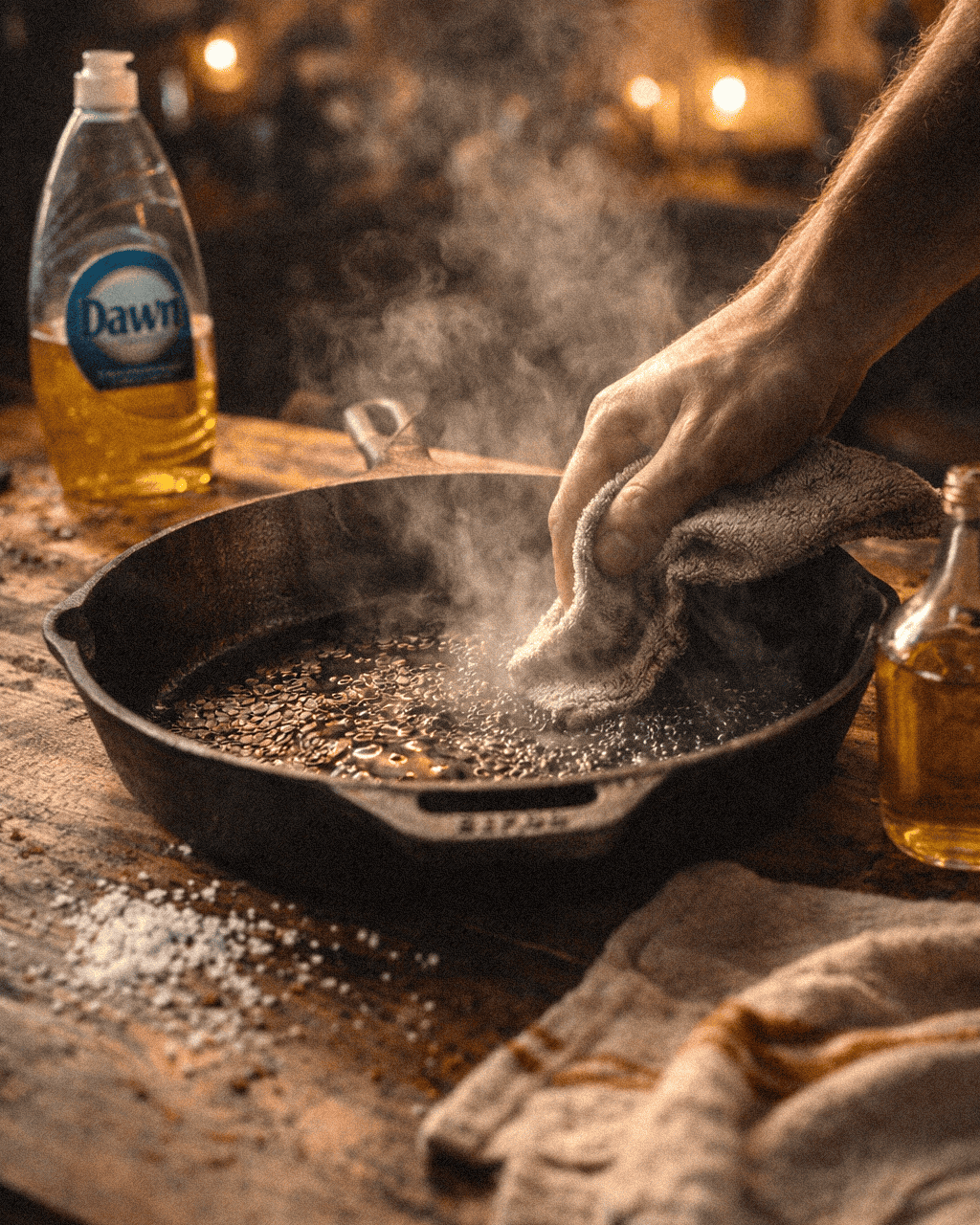
The Proper Way to Clean Cast Iron (Whether You Should Use Soap)
Cast iron cookware has been a kitchen staple for generations, prized for its durability, natural nonstick surface, and ability to deliver incredible flavor. Yet one of the most debated topics among home cooks and outdoor chefs is whether cast iron should ever be cleaned with soap. While traditional advice often warned against it, modern dish soaps and updated cast iron care practices have changed the conversation. Knowing the proper way to clean, dry, and maintain your cast iron skillet is essential for preserving its seasoning and preventing rust. In this guide, we’ll separate fact from fiction, explain when soap is appropriate, and walk through the best methods for keeping your cast iron cookware in top condition for years to come.
Why Cast Iron Needs Special Care
Cast iron cookware has been a staple in Louisiana kitchens for generations. From frying seafood and baking cornbread to simmering gumbo and rice and gravy, few pieces of cookware are as versatile or durable.
Unlike stainless steel or nonstick pans, cast iron relies on seasoning—a thin layer of baked-on oil that protects the metal from rust while creating a naturally nonstick cooking surface. Because of this, proper cleaning plays a major role in maintaining performance and extending the life of your skillet.
Improper cleaning can:
- Strip away seasoning
- Cause rust to develop
- Leave food tasting metallic
- Reduce nonstick performance
Fortunately, caring for cast iron is much simpler than many people think.
The Truth About Using Soap on Cast Iron
One of the most common cooking myths is that soap should never touch cast iron. While that advice was once common, modern dish soaps have changed the conversation.
Can You Use Soap on Cast Iron?
Yes. A small amount of mild dish soap will not ruin a properly seasoned cast iron skillet.
The old warning dates back to a time when soaps contained harsh lye that could quickly strip seasoning. Today’s dish soaps are much gentler and generally safe when used occasionally.
When Soap Is Appropriate
A small amount of soap can help when:
- Cleaning greasy foods like bacon or sausage
- Removing stubborn food residue
- Eliminating lingering odors
- Deep cleaning after heavy use
When Soap Isn’t Necessary
For routine cleaning, most skillets only need:
- Hot water
- A scrub brush
- Proper drying
- A light coat of oil
As a result, many experienced cast iron cooks rarely use soap at all.
How to Properly Clean Cast Iron
A few simple steps will keep your skillet performing at its best for years to come.
Step 1: Clean While the Pan Is Warm
Allow the skillet to cool slightly after cooking. However, don’t wait until it becomes completely cold. Warm cast iron releases food residue much more easily.
Step 2: Rinse with Hot Water
Run hot water over the skillet and scrub using:
- A stiff nylon brush
- A chainmail scrubber
- A non-abrasive scrub pad
Most food particles will come off with little effort.
Step 3: Use Soap Only When Needed
If grease or residue remains, add a small drop of mild dish soap. Scrub lightly and rinse thoroughly with hot water.
How to Remove Stuck-On Food
Occasionally, food can become baked onto the surface of the skillet. Rather than reaching for harsh cleaners, use a traditional cast iron cleaning method.
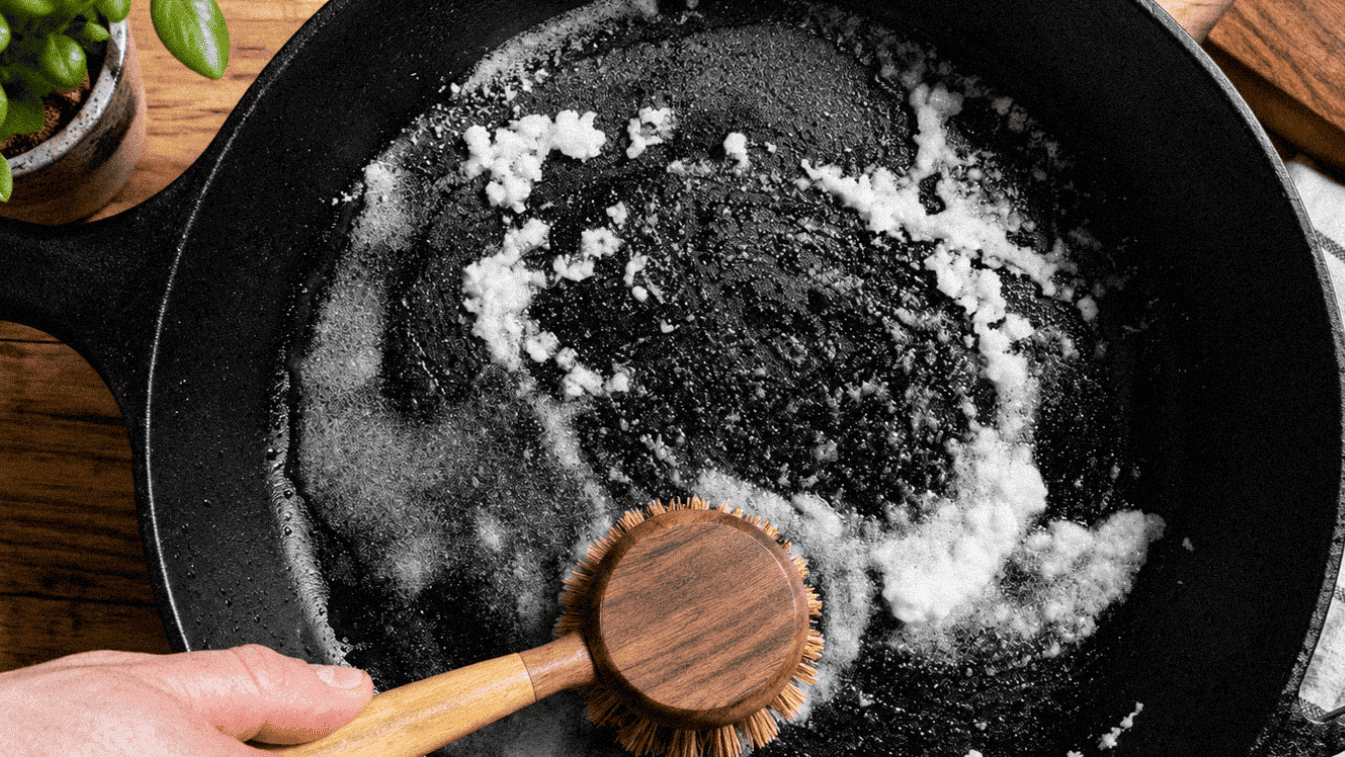
Use a Salt Scrub
Add:
- 1 tablespoon coarse salt
Then scrub with:
- A paper towel
- A cloth
- A soft brush
The salt acts as a natural abrasive while protecting the seasoning layer.
Afterward, rinse with hot water and continue with the drying process.
Why Proper Drying Matters
Rust is the biggest enemy of cast iron. Because cast iron is porous, even a small amount of moisture can create problems if left on the surface.
Never Air-Dry Cast Iron
Allowing a skillet to dry naturally often leads to rust, especially in Louisiana’s humid climate.
Best Drying Method
- Dry thoroughly with a clean towel
- Place the skillet on low heat for 1–2 minutes
- Allow all remaining moisture to evaporate
This simple step dramatically reduces the risk of rust.
Re-Oiling After Cleaning
Once the skillet is completely dry, apply a light coat of oil. This helps maintain seasoning and protects the surface between uses.
Best Oils for Cast Iron
Many cooks prefer:
- Vegetable oil
- Canola oil
- Grapeseed oil
- Avocado oil
How Much Oil Should You Use?
Add only a few drops. Then rub the oil over the entire skillet and wipe away any excess.
The surface should appear lightly polished, not greasy.
Common Cast Iron Cleaning Mistakes
Even quality cookware can suffer from poor maintenance. Fortunately, most mistakes are easy to avoid.
Avoid These Mistakes
- Soaking cast iron in water
- Using a dishwasher
- Leaving the skillet wet
- Storing the pan with standing moisture
- Using harsh detergents regularly
- Ignoring rust spots
By avoiding these mistakes, you’ll preserve both seasoning and performance.
How to Restore Rusty Cast Iron
Finding rust on a cast iron skillet doesn’t mean it’s ruined. In fact, most rust can be removed with a little effort.
Restoring a Rusted Skillet
- Scrub away rust using steel wool.
- Rinse thoroughly.
- Dry completely.
- Apply a thin coat of oil.
- Bake upside down at 450°F for 1 hour.
After reseasoning, the skillet is ready to use again.
Why Louisiana Cooks Still Love Cast Iron
Cast iron remains popular throughout Louisiana because it handles high heat, heavy seasoning, and bold flavors exceptionally well.
Perfect for Louisiana Favorites
- Cornbread
- Fried fish
- Fried shrimp
- Chicken cracklins
- Rice and gravy
- Gumbo
- Outdoor camp cooking
Additionally, cast iron provides excellent heat retention, creating consistent cooking temperatures and beautiful browning.
Frequently Asked Questions
Will soap ruin my cast iron skillet?
No. Occasional use of mild dish soap will not damage properly seasoned cast iron.
What is the best oil for seasoning cast iron?
Vegetable oil, canola oil, grapeseed oil, and avocado oil all work well.
How often should I season cast iron?
A light coat of oil after cleaning helps maintain seasoning. Full reseasoning is only needed when rust develops or seasoning becomes damaged.
Can cast iron go in the dishwasher?
No. Dishwashers can strip seasoning and cause rust very quickly.
Why is my cast iron sticky?
Too much oil was likely applied during seasoning. Always wipe away excess oil before heating the skillet.
Related Articles
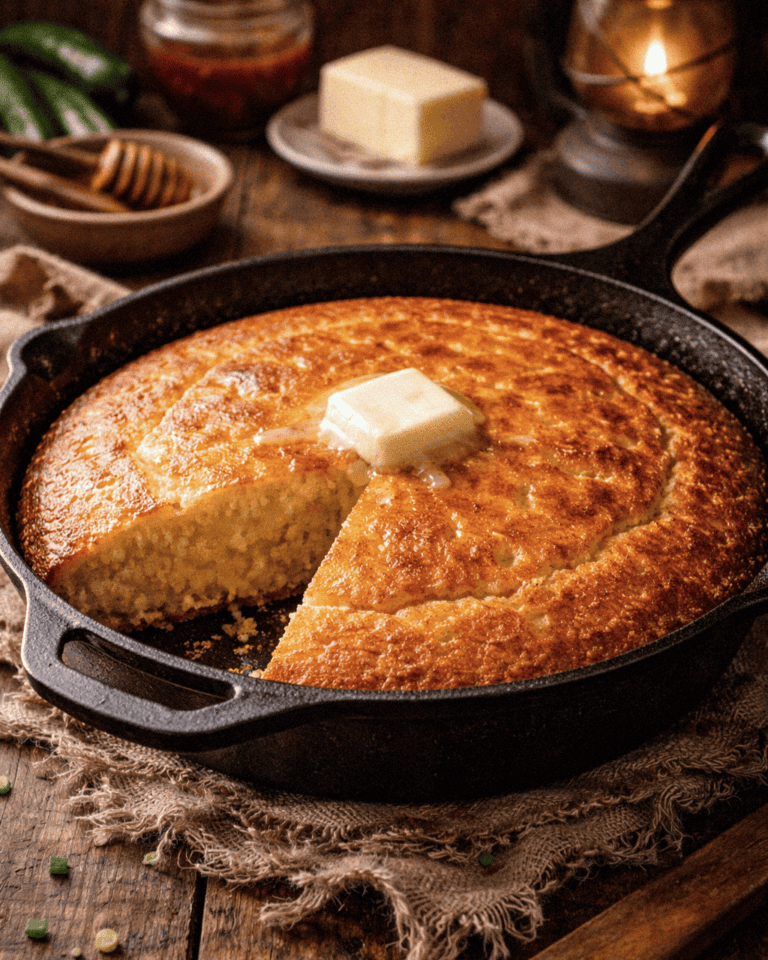
Louisiana Cornbread Recipe – Learn how a cast iron skillet creates the crispy crust that makes Southern cornbread so popular.
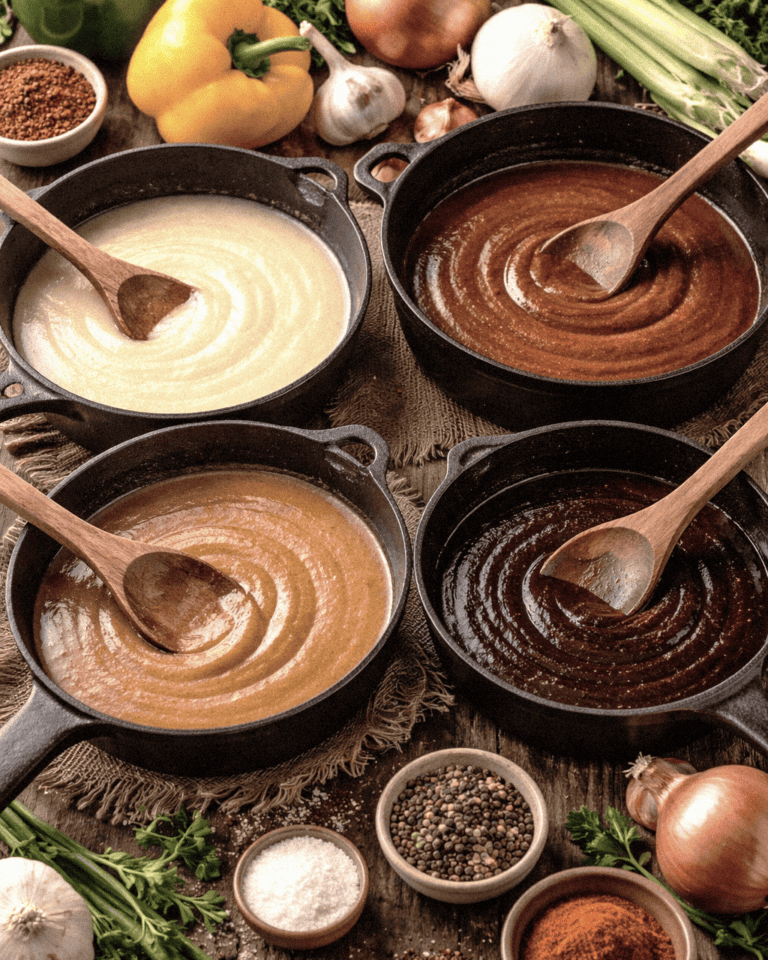
The Art of Making Roux – Discover why generations of Louisiana cooks rely on cast iron cookware when building flavor for gumbo, gravies, and sauces.
Butter vs. Oil: Which Is Better for Cooking? – Learn when to cook with butter, oil, or a combination of both for the best results.
Louisiana Seafood Gumbo Recipe – Put your cast iron skills to work with one of Louisiana’s most iconic dishes.
Different Types of Salt and Which One to Use – Improve flavor and seasoning by learning when to use kosher salt, sea salt, and finishing salts.
Final Thoughts
Cast iron cookware rewards simple, consistent care. While occasional soap won’t hurt a properly seasoned skillet, proper drying and light oiling remain the keys to long-term success. By following a few basic habits, you can keep your cast iron performing beautifully for decades and continue a cooking tradition that has been part of Louisiana kitchens for generations.